

Back to articles
Research & Diagnostics
Biodiversity
Bush meat
Illegal trade
Interpol
Ivory
One Health
Pangolin
Poaching
Traffic
Trophy
UNEP
UNODC
Zoonosis
Illegal trade in wild species: The Root Cause of Ecological and Health Crises
BN
Bertrand Neveux
01/15/2026
5 min read
0 comments
Share:
The illegal trade in wild species is no longer merely a poaching problem limited to a few iconic species. It is a globalized criminal market capable of moving hundreds of millions of animals, destabilizing local economies, and creating transmission routes for infectious agents.
According to the United Nations Office on Drugs and Crime (UNODC), wildlife trafficking is among the most lucrative transnational criminal activities, with an estimated annual value of up to $20 billion.
Other estimates (UNEP-Interpol) place the illegal trade in wildlife and flora at between $7 billion and $23 billion per year. Behind these figures lies not just a few crates crossing borders, but a continuous flow, exploited by networks that know how to perform fragmentation of shipments, circumvent controls, and take advantage of digital technologies.
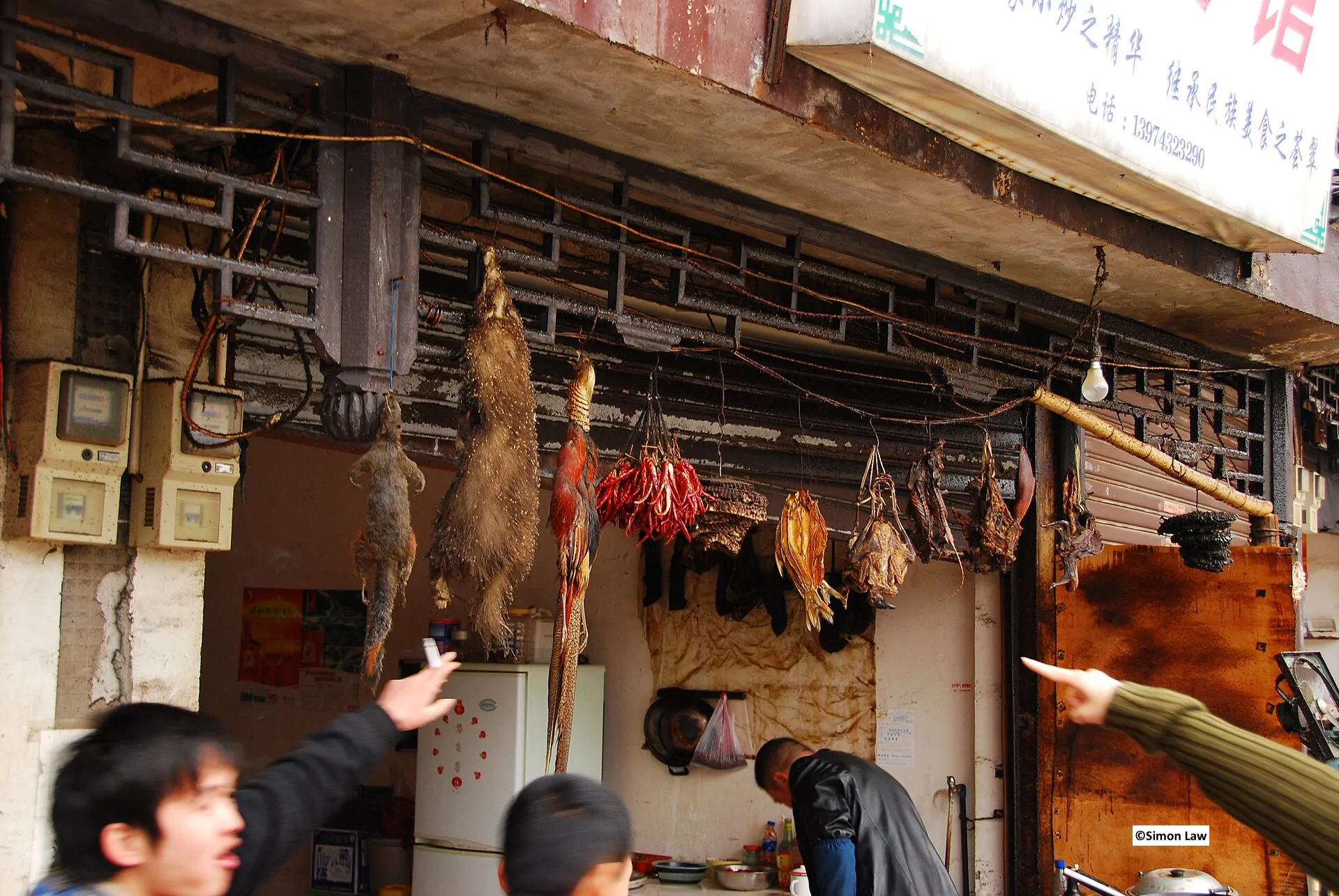
A “living” economy driven by demand
The drivers of the illegal trade are well known, but their combination creates a systemic effect. International demand fuels the markets for luxury goods, trophies, exotic pets, and products used in traditional medicine. Upstream, poor or unstable rural areas provide labor and access to resources. In between, criminal logistics thrive on corruption and the inconsistency of enforcement measures. The UNODC documents the scale of this trafficking through a concrete indicator: seizures. The 2024 World Wildlife Crime Report compiles approximately 13 million seizures of specimens from nearly 4,000 species between 2015 and 2021, and highlights that a significant portion involves endangered species. Furthermore, seizures are only the tip of the iceberg; the unintercepted flows represent the actual pressure being exerted on wild populations. Recent news also highlights the industrial scale of this trade. During the global Operation Thunder 2025, coordinated by Interpol and the World Customs Organization, authorities in 134 countries seized nearly 30,000 live animals in one month, as well as 5.8 metric tons of bushmeat, and identified approximately 1,100 suspects. Demand for exotic pets (birds, reptiles, primates, etc.) is also a major and enduring driver of the trafficking.Pangolins, ivory, bushmeat… figures that reveal the severity of poaching
Certain trafficking routes are particularly revealing of the scale of the poaching. The pangolin, which has become a symbol of this trafficking, is the most striking example: according to the 2024 UNODC report, seizures reached approximately 12 metric tons of scales, with logistics hubs and transit countries playing a central role. At the local level, recent cases show that the trafficking is not limited to Southeast Asia: customs authorities in India, for example, have seized several dozen kilograms of scales in targeted operations. These record figures reflect a trade in which the animal is reduced to a product, and in which capture and slaughter take place without health safeguards, respect for animal welfare, or traceability.Biodiversity: When the Extinction of a Species Disrupts an Ecosystem
The ecological impact is not limited to the extinction of the species in question. It affects the very structure of ecosystems. Removing a keystone species from a region can trigger trophic cascades, alter vegetation, the availability of prey, fire dynamics, or the spread of parasites. The erosion of genetic diversity, driven by hunting pressure, reduces populations’ ability to adapt to environmental stress. The UNODC emphasizes a point that is often underestimated: traffickers also target species that receive less media attention but are crucial to local ecological balance (reptiles, amphibians, fish, orchids, and corals). The crisis is therefore systemic: it not only decimates large, charismatic animals but also undermines the entire architecture of life.“One Health”: Illegal Trade as an Amplifier of Zoonotic Risk
The illegal trade in wild species also alters host-pathogenic interactions. Capture, transport, storage, and sale bring together species that do not naturally coexist, under conditions of stress, overcrowding, and poor hygiene. It is precisely this type of environment that facilitates cross-contamination, viral amplification, and even the crossing of the species barrier. UNEP documents note that major health crises (Ebola, HIV/AIDS, COVID-19) are part of a long-standing process of zoonotic outbreaks fueled by human-animal interactions and ecosystem degradation, resulting in massive human and economic costs. The scientific literature on bushmeat, for its part, emphasizes that certain species (notably bats) pose a high risk of carrying emerging pathogens and that they are present in certain trade or consumption chains. The example of the introduction of African swine fever via illegal meat products demonstrates this trafficking’s ability to circumvent traditional health barriers. This mechanism combines mobility, a lack of traceability, and risky behaviors (transportation, food waste, indirect contact), with the potential for rapid spread.Governance: Law enforcement alone is not enough
The international legal framework relies primarily on the Convention on International Trade in Endangered Species of Wildlife (CITES), but the gap between regulations and reality on the ground continues to widen. Experience shows that a strictly enforcement-based response can shift the routes used by traffickers, cause fragmentation in trafficking flows, and increase violence without having a lasting impact on demand. The most effective approaches combine criminal penalties, customs cooperation, anti-money laundering efforts, and oversight of online trade, as well as the development of local economic alternatives and demand reduction. The solution is thus strategic and comprehensive. The illegal trade in wild species accelerates the collapse of biodiversity, finances international criminal networks, and increases the likelihood of zoonotic outbreaks that are difficult to anticipate. Treating it as a secondary issue means risking paying the price on three fronts at once: the environment, public health, and security.Read next
Research & Diagnostics
10/09/2026
WHO sets new diagnostic targets for Echinococcus granulosus in humans, dogs and sheep
Research & Diagnostics
10/09/2026
Nipah virus in wastewater: promising for early warning?
Research & Diagnostics
10/01/2026
Commentaires
No comments yet.
Sign in to comment