

Back to articles
Research & Diagnostics
DNA
Euthanasia
Flexor ligament
Gene therapy
Horse
Lameness
Let's aim
Regenerative Medicine
Shopping
Suspensory ligament
Thoroughbred
Veterinary clinic
Veterinary medicine
Gene Therapy: Lameness in Horses Successfully Treated with DNA Injections
V
Vetitude
11/01/2017
4 min read
0 comments
Share:
In a clinical study*, Russian and British scientists have shown that direct injection of DNA into tendons and ligaments enables lame horses to return to peak condition after just two months of treatment. For the first time, they used gene therapy to repair severe injuries to the suspensory ligament and flexor tendon in horses. They injected plasmid DNA encoding two equine-specific growth factors (vascular endothelial growth factor 164 and fibroblast growth factor 2) at the sites of desmitis and tendinitis lesions. Within three weeks, both horses in the study were walking and trotting, and two months later, they were back in shape and competing again.
 The effects of the treatment were evaluated through
clinical examinations and ultrasound examinations over a period of several months. The authors demonstrated that gene therapy, administered within two to three months of the injury, results in complete recovery of locomotor function and restoration of the connective tissue surrounding the damaged suspensory ligament and superficial flexor tendon
.
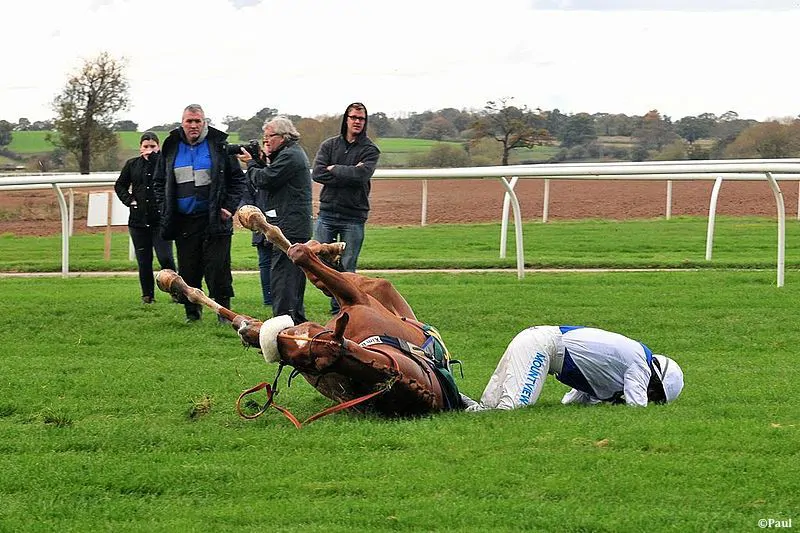
Tendon or ligament injuries are one of the most common causes of locomotor disorders in horses of all ages and breeds. Lameness is also often the reason for the decision to undergo euthanasia in older horses and is a common problem in racehorses following a fall. Researchers at the University of Nottingham’s School of Veterinary Medicine (United Kingdom) have now demonstrated that the direct injection of two growth genes into the injured area leads to rapid healing.
In human medicine, the use of recombinant proteins and gene therapy are the most promising approaches for treating musculoskeletal disorders. But until now, this approach had never been tested on tendon or ligament injuries in horses. It has now been done, in two sport horses that became lame following an injury.
The first case involved a 13-year-old dressage horse that had been suffering from desmitis in the right front leg for about ten days. The second case involved a 9-year-old stallion that had been suffering from tendinitis in the left front leg for nearly a month. On Day 21 after the pDNA injection, no lameness was observed, either at a walk or a trot. The horses showed no signs of pain during the fetlock joint flexion test. By Day 40, the condition of the affected area showed a marked improvement on ultrasound (increased echogenicity). By Day 65 after the injection of the two genes, the first horse even won an international dressage competition without showing any signs of lameness. More than 12 months after treatment, both horses treated with gene therapy had regained their physical condition and returned to competition.
Neither showed any adverse clinical effects following the injection.
If this treatment becomes available in veterinary clinics, it will enable more effective treatment of lameness and associated pain in all affected horses—particularly racehorses—thereby sparing them from early retirement or even euthanasia.
The effects of the treatment were evaluated through
clinical examinations and ultrasound examinations over a period of several months. The authors demonstrated that gene therapy, administered within two to three months of the injury, results in complete recovery of locomotor function and restoration of the connective tissue surrounding the damaged suspensory ligament and superficial flexor tendon
.
Tendon or ligament injuries are one of the most common causes of locomotor disorders in horses of all ages and breeds. Lameness is also often the reason for the decision to undergo euthanasia in older horses and is a common problem in racehorses following a fall. Researchers at the University of Nottingham’s School of Veterinary Medicine (United Kingdom) have now demonstrated that the direct injection of two growth genes into the injured area leads to rapid healing.
In human medicine, the use of recombinant proteins and gene therapy are the most promising approaches for treating musculoskeletal disorders. But until now, this approach had never been tested on tendon or ligament injuries in horses. It has now been done, in two sport horses that became lame following an injury.
The first case involved a 13-year-old dressage horse that had been suffering from desmitis in the right front leg for about ten days. The second case involved a 9-year-old stallion that had been suffering from tendinitis in the left front leg for nearly a month. On Day 21 after the pDNA injection, no lameness was observed, either at a walk or a trot. The horses showed no signs of pain during the fetlock joint flexion test. By Day 40, the condition of the affected area showed a marked improvement on ultrasound (increased echogenicity). By Day 65 after the injection of the two genes, the first horse even won an international dressage competition without showing any signs of lameness. More than 12 months after treatment, both horses treated with gene therapy had regained their physical condition and returned to competition.
Neither showed any adverse clinical effects following the injection.
If this treatment becomes available in veterinary clinics, it will enable more effective treatment of lameness and associated pain in all affected horses—particularly racehorses—thereby sparing them from early retirement or even euthanasia.
Current conservative or surgical treatments have a 60% relapse rate, and while regenerative medicine performs much better (with a relapse rate of less than 20%), recovery takes five to six months.The study has implications not only for veterinary medicine but also for human medicine, as tendon and ligament injuries are also common in humans. The authors have shown that pain relief and restoration of function are possible in a much shorter timeframe than with currently available treatments. Furthermore, this type of therapy could be used to treat other injuries, ranging from fertility issues to spinal cord injuries. The next step will be to conduct a larger clinical trial to include more horses—and perhaps even treat other conditions—with the hope that one day this treatment will prove its safety and efficacy on a large scale and become routinely available. There are still many questions to be answered before gene therapy is widely used in veterinary practice, but this study is promising and marks a real breakthrough in the treatment of orthopedic disorders in both animals and humans. * Gene therapy using plasmid DNA encoding vascular endothelial growth factor 164 and fibroblast growth factor 2 genes for the treatment of horse tendinitis and desmitis: case reports, Frontiers in Veterinary Science
Read next
Research & Diagnostics
10/09/2026
WHO sets new diagnostic targets for Echinococcus granulosus in humans, dogs and sheep
Research & Diagnostics
10/09/2026
Nipah virus in wastewater: promising for early warning?
Research & Diagnostics
10/01/2026
Commentaires
No comments yet.
Sign in to comment