

Back to articles
Research & Diagnostics
Antiviral drugs
Cat Breeding
Cattery
Chat
Coronavirus
EV0984
Feline infectious peritonitis
Feline leukemia
GC376
Immunostimulants
Immunosuppressants
Kitten
Morris Animal Foundation
Protease
Shelter
Veterinarian
Veterinary medicine
FIP: Advances in the Treatment of Feline Infectious Peritonitis
V
Vetitude
12/14/2017
4 min read
0 comments
Share:
Controlling the risk factors for feline infectious peritonitis (FIP) is no easy task. Caused by a mutation of the feline enteric coronavirus—which is widespread among the global feline population—this deadly disease is difficult to diagnose and treat. However, new antiviral drugs being tested in the United States show great promise and could finally provide an effective treatment for both forms of this complex viral disease.
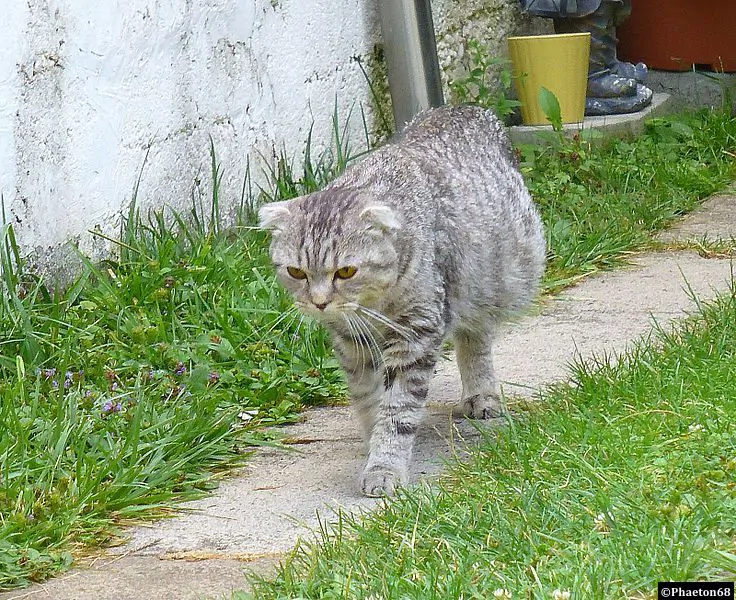 Feline infectious peritonitis, a contagious viral disease that typically affects kittens, is almost always fatal. According to the Morris Animal Foundation, feline infectious peritonitis (FIP) is one of the leading causes of death among kittens and young cats, with an incidence five to ten times higher in communal settings (catteries, shelters, breeding facilities). Given the challenges of preventing and treating FIP, the Morris Foundation committed $1.2 million over three years (2015–2017) to fund research aimed at advancing our understanding of the disease and testing new antiviral drugs that have led to remission in some cats with feline infectious peritonitis.
Across the Atlantic, Dr. Niels C. Pedersen has been studying the complex nature of the disease since 1964. At the time, feline infectious peritonitis was often associated with feline leukemia. While the prevalence of both conditions declined after the development of a vaccine against the feline leukemia virus, the incidence of feline infectious peritonitis is now on the rise. Although difficult to diagnose, veterinarians are beginning to better identify the two forms of the disease (wet and dry), particularly certain chronic cases of non-exudative feline infectious peritonitis.
The coronavirus involved—an RNA virus found worldwide—is transmitted via the fecal-oral route.
Feline infectious peritonitis, a contagious viral disease that typically affects kittens, is almost always fatal. According to the Morris Animal Foundation, feline infectious peritonitis (FIP) is one of the leading causes of death among kittens and young cats, with an incidence five to ten times higher in communal settings (catteries, shelters, breeding facilities). Given the challenges of preventing and treating FIP, the Morris Foundation committed $1.2 million over three years (2015–2017) to fund research aimed at advancing our understanding of the disease and testing new antiviral drugs that have led to remission in some cats with feline infectious peritonitis.
Across the Atlantic, Dr. Niels C. Pedersen has been studying the complex nature of the disease since 1964. At the time, feline infectious peritonitis was often associated with feline leukemia. While the prevalence of both conditions declined after the development of a vaccine against the feline leukemia virus, the incidence of feline infectious peritonitis is now on the rise. Although difficult to diagnose, veterinarians are beginning to better identify the two forms of the disease (wet and dry), particularly certain chronic cases of non-exudative feline infectious peritonitis.
The coronavirus involved—an RNA virus found worldwide—is transmitted via the fecal-oral route.
In cat populations, up to 60% of cats experience coronavirus shedding at some pointAccording to one study, feline infectious peritonitis develops in cats carrying the enteric virus in approximately 20% of infections. However, the incidence of feline infectious peritonitis is only 0.3 to 1.3% of the feline population across all studies conducted in North America and Europe. Thus, the disease appears relatively rare compared to the observed mutation rate. In most affected cats, the induced immune response proves effective. The question is why, in some cats, this immune response fails. According to Dr. Pedersen, a definitive diagnosis can be made by a veterinarian based on the case history, observed symptoms, clinical examination, and test results, including a cell count and measurement of protein concentration. However, in the absence of a curative effect from immunostimulants and immunosuppressants—as well as the lack of an effective vaccine—the only therapeutic hope lies in antiviral drugs. In this context, veterinary medicine has much to learn from research on human RNA viruses, such as HIV, hepatitis C, influenza, and Ebola. The common goal of both fields of medicine is to develop drugs that interfere with the specific replication processes of coronaviruses, both human and animal. To treat certain forms of feline infectious peritonitis (FIP), the results of preliminary field studies using a protease inhibitor (GC376) and a nucleoside inhibitor (EV0984) have appeared very promising. For the first candidate, GC376, researchers studied its effects in eight cats with experimentally induced feline infectious peritonitis. They observed complete remission after 14 to 20 days of antiviral treatment, which was initiated at an advanced stage of the disease that would otherwise have inevitably led to the animals’ death. Direct inhibition of viral replication by a protease inhibitor is thus considered a valid therapeutic option for coronavirus infection, and GC376 is considered an effective treatment for feline infectious peritonitis. This is an encouraging breakthrough that paves the way for targeted antiviral treatment. In a recent field trial, published on September 13, 2017, in the Journal of Feline Medicine and Surgery, Dr. Pedersen tested the safety and efficacy of the inhibitor GC376 in 20 cats naturally infected with various forms of feline infectious peritonitis. GC376 was administered subcutaneously every 12 hours at a dose of 15 mg/kg. Ultimately, 19 cats responded to treatment in just two weeks, but 13 of them suffered a fatal relapse. In seven cats, remission of the disease was observed. The results of research on the nucleoside inhibitor EV0984 have not yet been published. The researchers tested this drug against experimentally induced feline infectious peritonitis, then conducted a field trial involving 30 cats. Four died from complications within one to two weeks, but 26 cats experienced complete remission of the disease’s symptoms. Two-thirds are currently in long-term, or even permanent, remission after approximately 12 weeks of treatment. Ultimately, these specific antivirals are expected to become the treatment of choice for feline infectious peritonitis. The development of a treatment has been slow, but scientists around the world now have a solid database on feline infectious peritonitis, which has led to significant progress, particularly in the field of antiviral pharmacotherapy.
Read next
Research & Diagnostics
10/09/2026
WHO sets new diagnostic targets for Echinococcus granulosus in humans, dogs and sheep
Research & Diagnostics
10/09/2026
Nipah virus in wastewater: promising for early warning?
Research & Diagnostics
10/01/2026
Commentaires
No comments yet.
Sign in to comment