

Back to articles
Research & Diagnostics
Burmese
Chat
Corticosteroids
Diabetes
European
Hyperglycemia
Insulin
Obesity
Overweight
Progestins
Sterilization
Feline Diabetes: Is It Genetic or Environmental?
MR
Mia Rozenbaum
11/18/2020
6 min read
0 comments
Share:
Type 2 diabetes is one of the most commonly diagnosed endocrine disorders in cats. While its incidence varies from 1 in 50 to 1 in 400 depending on the population studied, all studies agree on one thing: the prevalence of the disease has been steadily increasing since the beginning of the century, in both the feline and human populations. To better understand this phenomenon, let’s examine the role of genetics versus environmental factors in the development of the disease.
As in humans, diabetes mellitus in cats is characterized by a chronic increase in blood glucose levels. This hyperglycemia results from the body’s cells failing to utilize glucose properly due to an insulin deficiency.
The current classification system divides diabetes into four categories. The most common form of diabetes in pets varies by species. In dogs, for example, type 1 diabetes—formerly known as insulin-dependent diabetes—is the most common, whereas in cats, type 2 diabetes is more prevalent.
The relative contributions of genetic and environmental factors therefore vary depending on the species and the type of diabetes.
The Typical Diabetes Patient
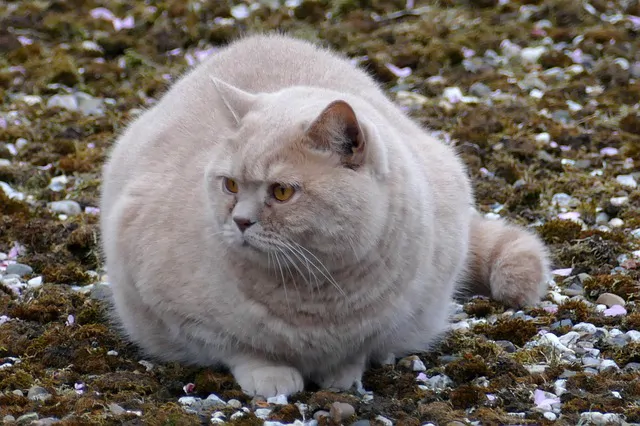
In cats, type 1 diabetes appears to be extremely rare. It is now widely accepted that the vast majority (80% to 95%) of feline diabetes cases are type 2, a heterogeneous disease characterized by impaired insulin action due to insulin resistance and pancreatic beta-cell insufficiency. The typical patient is very similar in humans and cats. It is generally a middle-aged, male, and very often obese individual. There is indeed a strong gender predisposition: 70% of diabetic cats are male, and approximately 60% of diabetic cats are overweight, 35% are of normal weight, and 5% are underweight. In humans, it is known that genetic predispositions exist and play an important role; nevertheless, poor diet, lack of physical activity, and obesity are the main risk factors. It is therefore not surprising that in cats as well, the etiology of the disease is complex and multifaceted, involving genetic factors as well as environmental interactions. The development of diabetes is thus multifactorial regardless of the species. For pathological abnormalities to arise, both environmental and genetic factors must be present.Risk Factors: Age, Sex, Sterilization, and Obesity
There are clearly risk factors that contribute to the development of diabetes in cats. First and foremost is age. Older cats are at greater risk of developing diabetes than younger cats, as the disease typically develops between the ages of 6 and 10. But this is far from the only risk factor at play. Other risk factors include being male, castration or sterilization, lack of physical activity, corticosteroid and progestin treatments, and obesity. As in humans, the most significant risk factor is obesity. Obese cats are 3.9 times more likely to develop diabetes than cats at a healthy weight. It is important to note that, although obesity leads to insulin resistance, not all obese cats develop diabetes. When beta cells are healthy, the adaptive response to obesity and insulin resistance involves increasing insulin secretion to maintain normal glucose tolerance. However, in cases of beta-cell dysfunction, glucose tolerance is impaired, and type 2 diabetes eventually develops. Gender-based predisposition to obesity may partly explain the differences observed between the two sexes, in both humans and cats. Men tend to be more affected by non-insulin-dependent diabetes, particularly due to their predisposition to obesity—and more specifically, central obesity—compared to women, in whom fat is distributed more peripherally. Male cats have insulin sensitivity that is 37% lower, and only males have basal insulin concentrations that increase after weight gain. Male cats are therefore more prone to obesity and, in particular, to gaining fat mass. And greater fat mass means that insulin is less effective at lowering glucose levels. Male cats therefore have higher insulin concentrations but, at the same time, lower insulin sensitivity, which would explain their predisposition to obesity and, by extension, to type 2 diabetes. The role of hormones should therefore not be taken lightly. It has been shown that sterilization is one of the major risk factors for feline obesity. It affects the brain centers that control food intake and metabolic rate, which results in increased food intake and, consequently, weight gain in cats, regardless of their gender.Genetic Predispositions
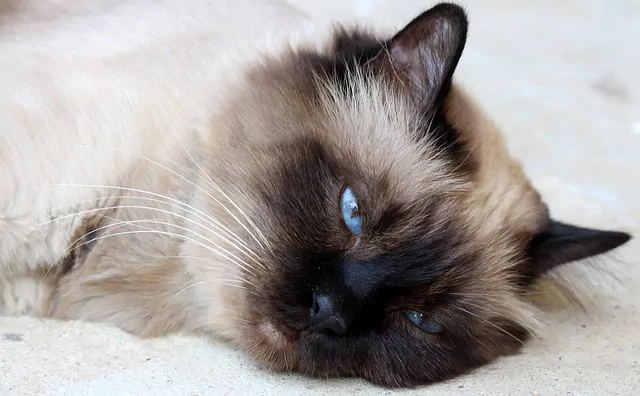
Not all cats are therefore equally susceptible to diabetes, especially when considering individual genetics. Indeed, there are undeniably complex underlying genetic predispositions. In humans, type 2 diabetes is known to have a multifactorial genetic architecture with numerous identified risk loci. Predisposing genes generally alter glucose metabolism, insulin chaperone molecules, or the function of pancreatic β-cells. As a result, certain ethnic groups are at higher risk than others. This concept is also observed in cats, where a genetic predisposition is likewise suspected. Not all genetic factors have yet been precisely identified in cats, but this idea is supported by the breed-specific predisposition seen in European and Australian Birman cats, among whom 1 in 50 cats has type 2 diabetes—a rate four times higher than the average. In some Burmese cat families, more than 10% of a litter is affected by this type of diabetes. Several studies have identified various genetic mutations responsible for type 2 diabetes in Burmese cats. The most recent study identifies six specific genes, some of which are believed to have homologs in humans. A genetic predisposition to insulin resistance is also suspected but has not been proven in cats. Conversely, there are also other cat breeds that are underrepresented in terms of diabetes incidence, supporting the hypothesis of a genetic predisposition to type 2 diabetes.What explains the increase in the prevalence of the disease?
The incidence of diabetes has been rising sharply in cat populations for several decades now. The main cause is their lifestyle, which has become much more sedentary; this influences risk factors for the disease—such as obesity, diet, and lack of physical activity—but also alters genetic predispositions. It is interesting to note that cats have undergone lifestyle changes over the years as they have accompanied their two-legged companions. They have gone, so to speak, from seasoned predators to indoor cats, who rely less on hunting than on their food bowls for sustenance. Cats’ activity levels have significantly decreased in modern times. At the same time, most cats have shifted from a strictly carnivorous diet to a commercial diet consisting of carbohydrates, which provides, on average, more than 50% additional calories. Furthermore, high-carbohydrate diets raise blood glucose and insulin levels and can predispose cats to obesity and diabetes. This transition from a low-carbohydrate, high-protein diet—typical of wild cats—to a high-carbohydrate diet, coupled with an overall decline in physical activity, may thus be partly responsible for the recent rise in type 2 diabetes among the feline population.Read next
Research & Diagnostics
10/09/2026
WHO sets new diagnostic targets for Echinococcus granulosus in humans, dogs and sheep
Research & Diagnostics
10/09/2026
Nipah virus in wastewater: promising for early warning?
Research & Diagnostics
10/01/2026
Commentaires
No comments yet.
Sign in to comment