

Back to articles
Research & Diagnostics
Acromegaly
Animal
Animal welfare
Chat
Diabetic Cat
Euthanasia
Feline
Feline Diabetes
Fructosamine
Hypersomatotropism
Royal Veterinary College
Veterinarian
Veterinary clinic
Feline Diabetes: A British Study Shows That Diagnoses Often Miss the Underlying Cause
V
Vetitude
06/04/2015
4 min read
0 comments
Share:
A study* conducted by the Royal Veterinary College (United Kingdom) reveals that in cats, one in four cases of diabetes mellitus is caused by excessive secretion of pituitary growth hormone. However, this cause is widely underestimated. Diabetic cats are often mistakenly diagnosed with primary (type 2) diabetes mellitus, even though they do not respond to standard treatment. This leads to increased morbidity and ultimately results in euthanasia for animal welfare reasons.
Between October 2003 and April 2011, British researchers collected medical data on all diabetic cats treated by veterinarians across the United Kingdom to estimate the prevalence of acromegaly or hypersomatotropism in the largest feline cohort ever studied.
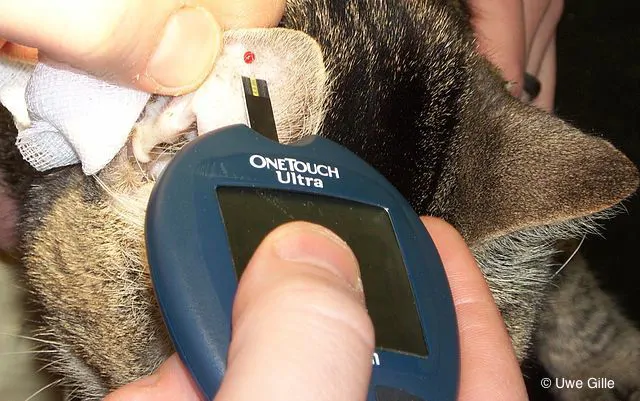 The results reveal that hypersomatotropism accounts for diabetes mellitus in one out of every four cats
. This disorder is caused by a benign pituitary tumor that can be treated surgically. However, only 24% of the veterinarians who submitted samples for the study suspected this cause based on the clinical presentation. In fact, most cats with hypersomatotropism do not exhibit characteristic signs, but rather symptoms indistinguishable from those seen in cats with primary (type 2) diabetes mellitus.
These findings highlight the need for veterinarians to consider routine screening for hypersomatotropism when treating diabetic cats, given the significant clinical implications. As evidence, approximately one-quarter of the cats evaluated in the study actually had diabetes mellitus induced by hypersomatotropism, which manifests and progresses very differently and requires specific treatment.
When hypersomatotropism is diagnosed and treated, most cats go into remission from diabetes. Conversely, if it remains undiagnosed, it is difficult to control blood glucose levels in affected cats, which often leads to euthanasia because, over the long term, they will develop other conditions such as heart disease or central nervous system disorders.
The results reveal that hypersomatotropism accounts for diabetes mellitus in one out of every four cats
. This disorder is caused by a benign pituitary tumor that can be treated surgically. However, only 24% of the veterinarians who submitted samples for the study suspected this cause based on the clinical presentation. In fact, most cats with hypersomatotropism do not exhibit characteristic signs, but rather symptoms indistinguishable from those seen in cats with primary (type 2) diabetes mellitus.
These findings highlight the need for veterinarians to consider routine screening for hypersomatotropism when treating diabetic cats, given the significant clinical implications. As evidence, approximately one-quarter of the cats evaluated in the study actually had diabetes mellitus induced by hypersomatotropism, which manifests and progresses very differently and requires specific treatment.
When hypersomatotropism is diagnosed and treated, most cats go into remission from diabetes. Conversely, if it remains undiagnosed, it is difficult to control blood glucose levels in affected cats, which often leads to euthanasia because, over the long term, they will develop other conditions such as heart disease or central nervous system disorders.
A useful screening tool for hypersomatotropism
A serum fructosamine test was performed free of charge for all diabetic cats included in the study from 2003 to 2011. Veterinarians were asked to record data on each animal (age, breed, sex, weight, insulin dose administered) while specifying whether they clinically suspected acromegaly or hypersomatotropism. Total serum insulin-like growth factor-1 (IGF-1) levels were measured in the 1,221 diabetic cats enrolled, followed by further evaluation using pituitary imaging and/or histopathology. A total of 319 cats (26.1%) had serum IGF-1 levels suggestive of hypersomatotropism. Of these, 63 (20%) underwent imaging. Of these 63 cats, 56 (89%) were found to have a pituitary tumor on computed tomography, 3 others on magnetic resonance imaging, and 1 at necropsy. These data suggest a positive predictive value of serum IGF-1 for hypersomatotropism of 95%. Consequently, the overall prevalence of this disorder in British diabetic cats is 24.8%. In light of these findings, there is a clear need for regular screening for hypersomatotropism in order to identify the underlying cause of feline diabetes before analyzing samples, so as not to skew the results. But researchers at the Royal Veterinary College aren’t stopping there. They are now focusing on developing a treatment aimed at curing feline diabetes mellitus. Dr . Stijn Niessen and his team have officially opened a new veterinary clinic** entirely dedicated to this goal. They are currently recruiting cats that have had diabetes for less than four months for a clinical trial designed to assess the effect of new insulins on blood glucose control and remission rates. A chronic and costly condition, feline diabetes significantly reduces the quality of life for both the owner and the animal. However, according to current research, a significant proportion of affected cats can achieve remission and go without insulin, which is increasingly considered the ultimate goal of treating this disease. * http://journals.plos.org/plosone/article?id=10.1371/journal.pone.0127794 ** www.facebook.com/RVC.Diabetic.Remission.Clinic , fdrc(at)rvc.ac.ukRead next
Research & Diagnostics
10/09/2026
WHO sets new diagnostic targets for Echinococcus granulosus in humans, dogs and sheep
Research & Diagnostics
10/09/2026
Nipah virus in wastewater: promising for early warning?
Research & Diagnostics
10/01/2026
Commentaires
No comments yet.
Sign in to comment