

Back to articles
Research & Diagnostics
Aminopenicillin
Antibiotics
Antimicrobial resistance
Antimicrobials
Cephalosporins
Chloramphenicol
Enterobacteriaceae
Exotic Animals
Exotic pets
Gekko gecko
Penicillin
Pets
Reptile
Resistant bacteria
Tetracycline
Tokay Gecko
Veterinarian
Wildlife
Exotic Animals: The Tokay Gecko Harbors Resistant Bacteria
V
Vetitude
05/18/2015
4 min read
0 comments
Share:
According to a study* conducted by researchers at the University of Georgia in the United States, tokay geckos (Gekko gecko) carry enteric bacteria that have been found to be resistant to a number of antibiotics. This antimicrobial resistance has health implications not only for the owners of these reptiles, but also for the veterinarians who handle them and for other animals that come into contact with them.
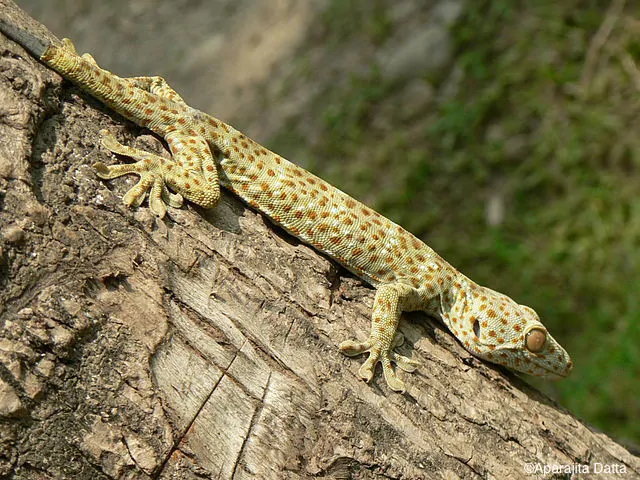 Unlike many exotic animals raised in captivity, most tokay geckos sold as exotic pets in the United States are captured in the wild and imported from Indonesia.
However, there is little data on the antibiotic susceptibility of enteric bacteria in reptiles collected from the wildlife in Southeast Asia, particularly for species sold as pets. Nevertheless, it is urgent to understand their role in the spread of resistant bacteria and their ability to act as reservoirs of resistant pathogens
, given the close contact animal owners have with these animals and the resulting risk of contracting an infection.
The American study thus shows that imported geckos can introduce new bacteria even into their owners’ homes.
To study these reptiles’ responses to antibiotics, the researchers collected fecal samples from imported geckos and tested them against common antibiotics. They found that the animals’ commensal enteric bacteria were resistant to antibiotics commonly used in Southeast Asia, such as chloramphenicol, aminopenicillins, and tetracyclines
. They also observed high rates of antibiotic resistance in commonly used antibiotics in the United States, such as cephalosporins and penicillins.
These findings have implications for human health due to the potential spread of these resistant bacteria. In particular, it is recommended that owners—especially children—always wash their hands thoroughly after any direct or indirect contact with a gecko. This is because doctors may be unable to treat an infection contracted from
one of these reptiles with certain antibiotics.
Another potential public health risk, which has yet to be fully studied, is linked to the release of tokay geckos into the wild. Their naturally aggressive behavior sometimes leads their owners to release them into the wild to get rid of them, thereby enabling the transmission of resistant bacteria to other wild animals.
They are even considered an invasive species in several U.S. states and certain areas of the Caribbean (Belize, Martinique), capable of introducing resistant bacteria from Southeast Asia into new regions and hosts.
The next step will be to explain how geckos acquire these resistant Enterobacteriaceae and which genes are responsible for the observed resistance profiles, in order to better understand the prevalence of antimicrobial resistance in the commensal enteric flora of common pet reptiles.
Unlike many exotic animals raised in captivity, most tokay geckos sold as exotic pets in the United States are captured in the wild and imported from Indonesia.
However, there is little data on the antibiotic susceptibility of enteric bacteria in reptiles collected from the wildlife in Southeast Asia, particularly for species sold as pets. Nevertheless, it is urgent to understand their role in the spread of resistant bacteria and their ability to act as reservoirs of resistant pathogens
, given the close contact animal owners have with these animals and the resulting risk of contracting an infection.
The American study thus shows that imported geckos can introduce new bacteria even into their owners’ homes.
To study these reptiles’ responses to antibiotics, the researchers collected fecal samples from imported geckos and tested them against common antibiotics. They found that the animals’ commensal enteric bacteria were resistant to antibiotics commonly used in Southeast Asia, such as chloramphenicol, aminopenicillins, and tetracyclines
. They also observed high rates of antibiotic resistance in commonly used antibiotics in the United States, such as cephalosporins and penicillins.
These findings have implications for human health due to the potential spread of these resistant bacteria. In particular, it is recommended that owners—especially children—always wash their hands thoroughly after any direct or indirect contact with a gecko. This is because doctors may be unable to treat an infection contracted from
one of these reptiles with certain antibiotics.
Another potential public health risk, which has yet to be fully studied, is linked to the release of tokay geckos into the wild. Their naturally aggressive behavior sometimes leads their owners to release them into the wild to get rid of them, thereby enabling the transmission of resistant bacteria to other wild animals.
They are even considered an invasive species in several U.S. states and certain areas of the Caribbean (Belize, Martinique), capable of introducing resistant bacteria from Southeast Asia into new regions and hosts.
The next step will be to explain how geckos acquire these resistant Enterobacteriaceae and which genes are responsible for the observed resistance profiles, in order to better understand the prevalence of antimicrobial resistance in the commensal enteric flora of common pet reptiles.
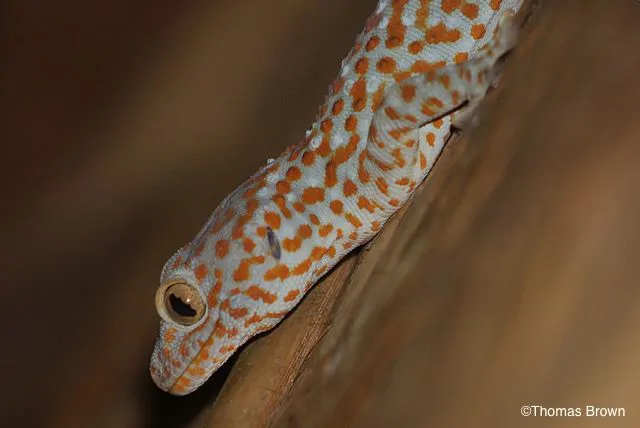 The United States imported more than 1.4 billion live animals between 2000 and 2006, and approximately 80% of these animals originated from wild populations.
Of these, 69% came from Southeast Asia, a region where cultures of human bacterial isolates show high rates of antibiotic resistance and where these drugs are readily available, often misused, and generally belong to older generations of medications that have been phased out in developed countries due to their potential to foster resistance.
Furthermore, wild animals imported into the United States from Southeast Asia often have to endure harsh transport conditions. While overcrowding, extreme temperatures, meager food rations, and poor ventilation are sources of stress for livestock, these travel conditions may be even more stressful for wild animals, which, unlike domestic animals, are not acclimated to these new stimuli
. This often results in physiological changes in these animals, such as immunosuppression, an increase in mutations and the spread of antibiotic resistance within their gut flora, and a higher rate of pathogenic germ shedding
.
* Christine L. Casey et al.: The carriage of antibiotic resistance by enteric bacteria from imported tokay geckos (Gekko gecko) destined for the pet trade, *Science of the Total Environment*, 2015, vol. 505, pp. 299–305.
The United States imported more than 1.4 billion live animals between 2000 and 2006, and approximately 80% of these animals originated from wild populations.
Of these, 69% came from Southeast Asia, a region where cultures of human bacterial isolates show high rates of antibiotic resistance and where these drugs are readily available, often misused, and generally belong to older generations of medications that have been phased out in developed countries due to their potential to foster resistance.
Furthermore, wild animals imported into the United States from Southeast Asia often have to endure harsh transport conditions. While overcrowding, extreme temperatures, meager food rations, and poor ventilation are sources of stress for livestock, these travel conditions may be even more stressful for wild animals, which, unlike domestic animals, are not acclimated to these new stimuli
. This often results in physiological changes in these animals, such as immunosuppression, an increase in mutations and the spread of antibiotic resistance within their gut flora, and a higher rate of pathogenic germ shedding
.
* Christine L. Casey et al.: The carriage of antibiotic resistance by enteric bacteria from imported tokay geckos (Gekko gecko) destined for the pet trade, *Science of the Total Environment*, 2015, vol. 505, pp. 299–305.
Transatlantic Animal Trade
Read next
Research & Diagnostics
10/09/2026
WHO sets new diagnostic targets for Echinococcus granulosus in humans, dogs and sheep
Research & Diagnostics
10/09/2026
Nipah virus in wastewater: promising for early warning?
Research & Diagnostics
10/01/2026
Commentaires
No comments yet.
Sign in to comment