

Back to articles
Research & Diagnostics
Aging
Animal-assisted therapy
Chat
Doctor
Dog
Gerontology
Older Adults
Pets
Retirement home
Senior
Veterinarian
Europe: Pets Have a Major Role to Play in Addressing the Aging Population
V
Vetitude
05/22/2017
3 min read
0 comments
Share:
In early May, the
“Pets are good for the
EU”* forum examined the beneficial role that pets can play in addressing the new challenges posed by Europe’s aging population. According to participants, concerted and consistent action is needed to raise awareness among policymakers and institutions, as well as doctors, veterinarians, caregivers, and nursing home administrators, about the major role that pets play in society, especially among seniors. A call to action was made to enable more older adults to move into a residence that accepts their pets.
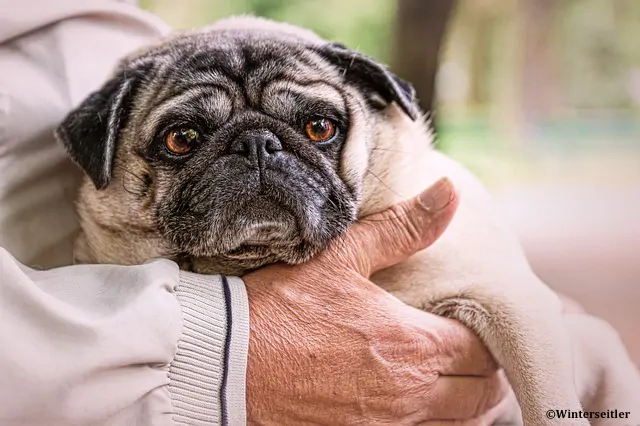 European society is aging. In 2016, Europe had 140 million people over the age of 65. By 2018, 29% of the population will be over 50, and by 2050, older adults will make up the majority. In addition to the implications for individuals’ health and well-being, this aging population and increased life expectancy also threaten to strain social security systems and national health budgets.
In this context, pets could be part of the solution. Indeed, their beneficial effects on the physical and emotional health of the elderly—as well as their role in maintaining social connections—have been proven. Studies show that dogs, for example, help reduce stress and anxiety, alleviate loneliness, encourage exercise and mobility, and even improve cardiovascular health
. These benefits contribute to a better quality of life for older adults.
There is no doubt, then, that pets are beneficial to the European Union: pet ownership promotes a healthy and active lifestyle among the elderly and must be placed at the heart of the societal debate on healthy aging in Europe. Governments are challenged to develop solutions to support the desired quality of life over a longer lifespan. However, older adults who own and interact with dogs or cats require less support from the national healthcare system, so there are also economic benefits to be gained
. The savings generated by pets thus amount to billions of euros. In addition, pet owners contribute to the national economy through
the pet food
market, animal health, and veterinary services.
However, several barriers prevent older adults from owning a pet: the associated costs, resistance from healthcare staff who are particularly concerned about infections
, and a lack of green spaces or safe areas for walks, among other factors. In most cases, pets are not allowed in retirement communities or nursing homes, forcing older adults to part with their pets when they move into such facilities.
To address this, the European Union must act as a facilitator of the dialogue among the various stakeholder groups, encouraging Member States to develop a coherent health policy grounded in solid scientific evidence in order to make informed and effective decisions. Success will also depend on the ability of European institutions and individual countries to develop guidelines and policies that promote lifelong pet ownership, as well as on the willingness of healthcare professionals to incorporate animal interactions into their care protocols.
The goal is to make pet ownership an integral part of healthcare services, ensuring both access to and funding for these services. According to forum participants, this requires the development of protocols and quality standards to be incorporated into practitioners’ training programs.
Several research studies on interactions between humans and pets in the context of active and healthy aging have already been completed, and additional studies are expected to be published over the next two years.
* “Pets are good for the EU,” co-organized by Forum Europe and Mars in Brussels on May 4, 2017.
https://youtu.be/LDjAGLHuTPw
European society is aging. In 2016, Europe had 140 million people over the age of 65. By 2018, 29% of the population will be over 50, and by 2050, older adults will make up the majority. In addition to the implications for individuals’ health and well-being, this aging population and increased life expectancy also threaten to strain social security systems and national health budgets.
In this context, pets could be part of the solution. Indeed, their beneficial effects on the physical and emotional health of the elderly—as well as their role in maintaining social connections—have been proven. Studies show that dogs, for example, help reduce stress and anxiety, alleviate loneliness, encourage exercise and mobility, and even improve cardiovascular health
. These benefits contribute to a better quality of life for older adults.
There is no doubt, then, that pets are beneficial to the European Union: pet ownership promotes a healthy and active lifestyle among the elderly and must be placed at the heart of the societal debate on healthy aging in Europe. Governments are challenged to develop solutions to support the desired quality of life over a longer lifespan. However, older adults who own and interact with dogs or cats require less support from the national healthcare system, so there are also economic benefits to be gained
. The savings generated by pets thus amount to billions of euros. In addition, pet owners contribute to the national economy through
the pet food
market, animal health, and veterinary services.
However, several barriers prevent older adults from owning a pet: the associated costs, resistance from healthcare staff who are particularly concerned about infections
, and a lack of green spaces or safe areas for walks, among other factors. In most cases, pets are not allowed in retirement communities or nursing homes, forcing older adults to part with their pets when they move into such facilities.
To address this, the European Union must act as a facilitator of the dialogue among the various stakeholder groups, encouraging Member States to develop a coherent health policy grounded in solid scientific evidence in order to make informed and effective decisions. Success will also depend on the ability of European institutions and individual countries to develop guidelines and policies that promote lifelong pet ownership, as well as on the willingness of healthcare professionals to incorporate animal interactions into their care protocols.
The goal is to make pet ownership an integral part of healthcare services, ensuring both access to and funding for these services. According to forum participants, this requires the development of protocols and quality standards to be incorporated into practitioners’ training programs.
Several research studies on interactions between humans and pets in the context of active and healthy aging have already been completed, and additional studies are expected to be published over the next two years.
* “Pets are good for the EU,” co-organized by Forum Europe and Mars in Brussels on May 4, 2017.
https://youtu.be/LDjAGLHuTPw
Read next
Research & Diagnostics
10/09/2026
WHO sets new diagnostic targets for Echinococcus granulosus in humans, dogs and sheep
Research & Diagnostics
10/09/2026
Nipah virus in wastewater: promising for early warning?
Research & Diagnostics
10/01/2026
Commentaires
No comments yet.
Sign in to comment