

Back to articles
Research & Diagnostics
Acute Polyneuropathy
APN
Campylobacter
Chicken meat
Dog
Dog breed
Guillain-Barré Syndrome
Hunting dog
Paralysis
Paresis
Polyneuritis
Raccoon
Raw chicken
Respiratory Infections
Saliva
Dog Nutrition: Eating Raw Chicken Can Trigger Acute Polyradiculoneuritis
V
Vetitude
02/08/2018
3 min read
0 comments
Share:
According to a new Australian study, feeding your dog raw meat increases the risk of it developing severe ascending paralysis—acute polyradiculoneuritis (APN)—by more than 70 times. Although rare, this progressive paralysis—the canine equivalent of Guillain-Barré syndrome in humans—is potentially fatal in dogs. The role of the
Campylobacter bacteria—which has been established in human medicine—was compared in affected and healthy dogs.
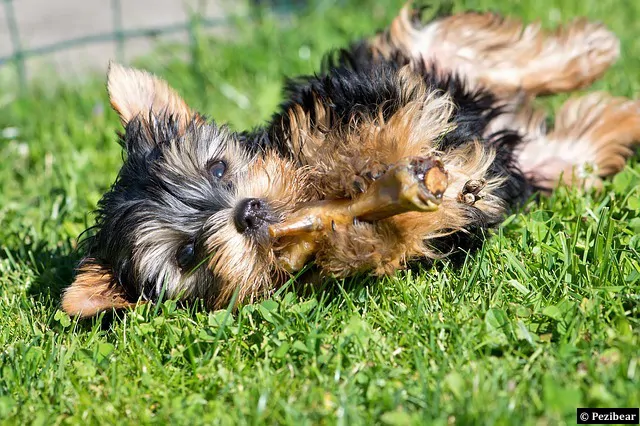 According to veterinarians at Melbourne’s U-Vet Hospital, the causes of acute polyradiculoneuritis in dogs remain poorly understood. This rare autoimmune disease begins with weakness in the hind limbs, which then progresses over several days until the front limbs, chest, neck, and even the animal’s head become paralyzed. Most affected dogs eventually recover without treatment, but this can take up to six months, or even longer in some cases. The disease is fatal in about three out of ten cases
.
Acute polyradiculoneuritis shares many similarities with Guillain-Barré syndrome in humans, a disorder of the peripheral nerves that often occurs following an infection and is characterized by muscle weakness or even progressive paralysis. The bacteria Campylobacter jejuni
is now considered a major trigger in nearly 40% of patients with this syndrome. It is found in raw poultry, unpasteurized dairy products, and contaminated water.
In dogs, little information is available regarding the relationship between APN and Campylobacter spp
. The Australian veterinary team therefore sought to determine whether the consumption of raw chicken necks—a treat frequently given to dogs in Australia—could also trigger the disease in dogs. They conducted a case-control study involving 27 dogs suspected of having APN and 47 healthy dogs, specifically asking owners about observed behaviors (altered voice, jerky gait, hind limb paresis) and the dogs’ diet, particularly raw meat-based diets.
Fecal samples were collected from all dogs to test for Campylobacter spp
. The analysis revealed 13 positive results among the 27 APN cases and 11 positive results among the 47 control dogs. Most of the fecal samples from APN-positive cases (12 out of 13) were collected within seven days of the onset of clinical signs: these cases were 9.4 times more likely to test positive for Campylobacter spp
. compared to dogs in the healthy control group. In addition, a significant association was observed between dogs with APN and the consumption of raw chicken (96% of APN cases, 26% of control dogs).
A significant link was also found between APN and small dog breeds
, which appears to be due to the fact that they are more often fed smaller pieces of meat, such as chicken necks.
Ultimately, the bacteriological results show that the consumption of raw chicken is a risk factor for the development of acute polyradiculoneuritis in dogs, linked to Campylobacter
infection. This is a cause for concern given the current growing trend toward feeding pets a raw meat-based diet. The veterinarians who conducted the study
, however
, recommend that owners opt for commercial dog food
rather than chicken necks until the causes of this disease are better understood.
Acute polyradiculoneuritis, first described in North America in raccoon-hunting dogs, is also believed to be caused by contact with the animal’s saliva. Other potential risk factors include recent vaccination and upper respiratory or gastrointestinal infections.
According to veterinarians at Melbourne’s U-Vet Hospital, the causes of acute polyradiculoneuritis in dogs remain poorly understood. This rare autoimmune disease begins with weakness in the hind limbs, which then progresses over several days until the front limbs, chest, neck, and even the animal’s head become paralyzed. Most affected dogs eventually recover without treatment, but this can take up to six months, or even longer in some cases. The disease is fatal in about three out of ten cases
.
Acute polyradiculoneuritis shares many similarities with Guillain-Barré syndrome in humans, a disorder of the peripheral nerves that often occurs following an infection and is characterized by muscle weakness or even progressive paralysis. The bacteria Campylobacter jejuni
is now considered a major trigger in nearly 40% of patients with this syndrome. It is found in raw poultry, unpasteurized dairy products, and contaminated water.
In dogs, little information is available regarding the relationship between APN and Campylobacter spp
. The Australian veterinary team therefore sought to determine whether the consumption of raw chicken necks—a treat frequently given to dogs in Australia—could also trigger the disease in dogs. They conducted a case-control study involving 27 dogs suspected of having APN and 47 healthy dogs, specifically asking owners about observed behaviors (altered voice, jerky gait, hind limb paresis) and the dogs’ diet, particularly raw meat-based diets.
Fecal samples were collected from all dogs to test for Campylobacter spp
. The analysis revealed 13 positive results among the 27 APN cases and 11 positive results among the 47 control dogs. Most of the fecal samples from APN-positive cases (12 out of 13) were collected within seven days of the onset of clinical signs: these cases were 9.4 times more likely to test positive for Campylobacter spp
. compared to dogs in the healthy control group. In addition, a significant association was observed between dogs with APN and the consumption of raw chicken (96% of APN cases, 26% of control dogs).
A significant link was also found between APN and small dog breeds
, which appears to be due to the fact that they are more often fed smaller pieces of meat, such as chicken necks.
Ultimately, the bacteriological results show that the consumption of raw chicken is a risk factor for the development of acute polyradiculoneuritis in dogs, linked to Campylobacter
infection. This is a cause for concern given the current growing trend toward feeding pets a raw meat-based diet. The veterinarians who conducted the study
, however
, recommend that owners opt for commercial dog food
rather than chicken necks until the causes of this disease are better understood.
Acute polyradiculoneuritis, first described in North America in raccoon-hunting dogs, is also believed to be caused by contact with the animal’s saliva. Other potential risk factors include recent vaccination and upper respiratory or gastrointestinal infections.
Read next
Research & Diagnostics
10/09/2026
WHO sets new diagnostic targets for Echinococcus granulosus in humans, dogs and sheep
Research & Diagnostics
10/09/2026
Nipah virus in wastewater: promising for early warning?
Research & Diagnostics
10/01/2026
Commentaires
No comments yet.
Sign in to comment