

Back to articles
Research & Diagnostics
Coccidioidomycosis
Delta-CPS1
Desert Fever
Dog
Mouse
NIH
Vaccine
Valley Fever
Coccidioidomycosis: The University of Arizona Receives $4.8 Million to Develop a Canine Vaccine
V
Vetitude
09/11/2017
3 min read
0 comments
Share:
Research being conducted in the United States to prevent coccidioidomycosis in dogs will receive a $4.8 million grant from the National Institutes of Health. This funding will enable American researchers to develop the delta-CPS1 vaccine candidate they have been working on for years. Successfully tested in mice, the vaccine for dogs could be on the market within five years. Ultimately, the goal is to develop a vaccine to prevent the disease in humans.
There are currently no effective preventive measures or treatments for coccidioidomycosis, also known as Valley Fever or Desert Fever. Each year, approximately 200,000 people become infected. In Arizona alone, 30,000 people and 60,000 dogs
contract this fungal infection each year. Potentially fatal in both humans and dogs, it claimed the lives of about 50 people in that U.S. state last year.
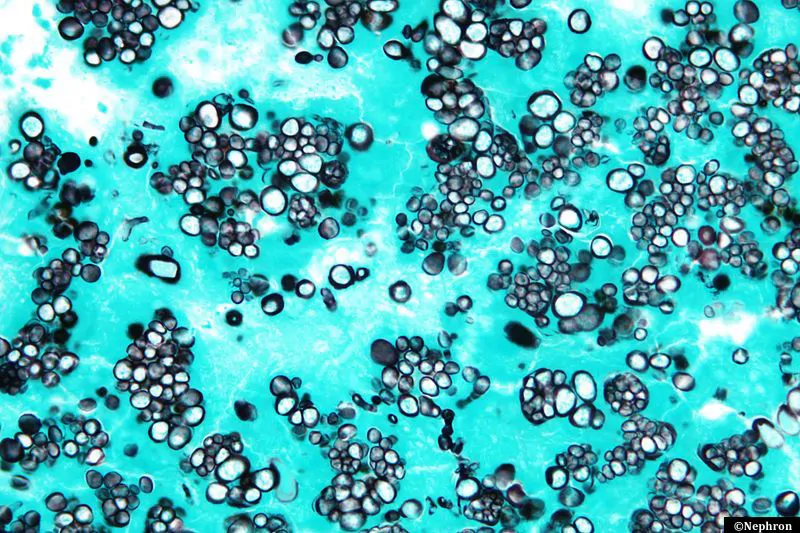 The fungus Coccidioides immitis
, which causes the disease, is found primarily in the arid and desert regions of the western and southwestern United States (Arizona, California, Texas, New Mexico, Nevada, Utah), but also in the hot regions of several countries in Central and South America. This endemic fungal infection, which results from inhaling arthrospores present in desert soils, primarily affects the respiratory tract. Inhaling just a single spore is enough to become infected. However, as with humans, most dogs that contract Valley Fever remain asymptomatic.
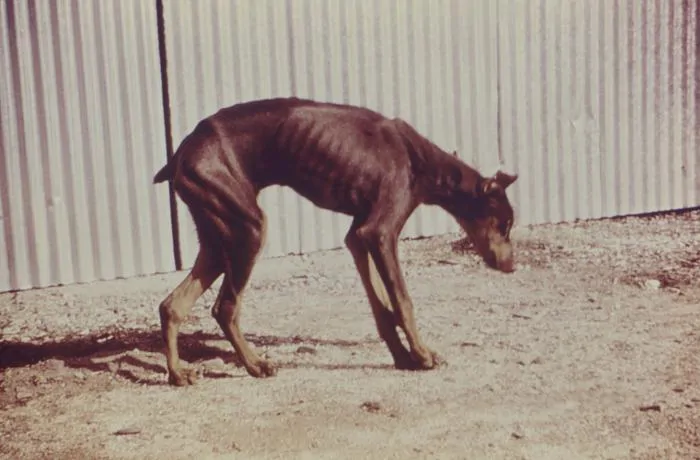
In those that do develop the disease, the clinical signs are nonspecific: a severe cough, fever, weight loss, loss of appetite, and lethargy. These symptoms can rapidly progress to severe pneumonia. It is not uncommon for the infection to spread to other parts of the body or organs (limbs, lymph nodes, skin, neck and back bones, etc.), or even to become systemic and chronic. Weight loss can be extreme in affected dogs, accompanied by muscle atrophy and lameness. In some cases, seizures and paralysis are observed. These painful symptoms generally appear three weeks after exposure to the fungus. Affected animals are not contagious to other dogs or to humans.
The fungus Coccidioides immitis
, which causes the disease, is found primarily in the arid and desert regions of the western and southwestern United States (Arizona, California, Texas, New Mexico, Nevada, Utah), but also in the hot regions of several countries in Central and South America. This endemic fungal infection, which results from inhaling arthrospores present in desert soils, primarily affects the respiratory tract. Inhaling just a single spore is enough to become infected. However, as with humans, most dogs that contract Valley Fever remain asymptomatic.
In those that do develop the disease, the clinical signs are nonspecific: a severe cough, fever, weight loss, loss of appetite, and lethargy. These symptoms can rapidly progress to severe pneumonia. It is not uncommon for the infection to spread to other parts of the body or organs (limbs, lymph nodes, skin, neck and back bones, etc.), or even to become systemic and chronic. Weight loss can be extreme in affected dogs, accompanied by muscle atrophy and lameness. In some cases, seizures and paralysis are observed. These painful symptoms generally appear three weeks after exposure to the fungus. Affected animals are not contagious to other dogs or to humans.
 Veterinary costs associated with the disease are high. Treatment is expensive ($4 to $6 per day for antifungal medications
) and, in some cases, must be continued for life.
When combined with serological tests, imaging studies, and biopsies, the resulting healthcare costs can amount to several thousand dollars per year, leading some animal owners to seek euthanasia for their pets.
The delta-CPS1 vaccine has undergone extensive testing in mice. The funding secured by the University of Arizona will be used to launch the first clinical trials in dogs. The vaccine candidate will primarily be tested on dogs from Arizona and California. Plans are already in place to make it affordable. But even if it costs $100 per animal, vaccination will still be far less expensive than the treatment currently required. The vaccination schedule (frequency, vaccine boosters) has yet to be determined. Similarly, various reagents are being tested to ensure the future vaccine’s efficacy and viability.
Veterinary costs associated with the disease are high. Treatment is expensive ($4 to $6 per day for antifungal medications
) and, in some cases, must be continued for life.
When combined with serological tests, imaging studies, and biopsies, the resulting healthcare costs can amount to several thousand dollars per year, leading some animal owners to seek euthanasia for their pets.
The delta-CPS1 vaccine has undergone extensive testing in mice. The funding secured by the University of Arizona will be used to launch the first clinical trials in dogs. The vaccine candidate will primarily be tested on dogs from Arizona and California. Plans are already in place to make it affordable. But even if it costs $100 per animal, vaccination will still be far less expensive than the treatment currently required. The vaccination schedule (frequency, vaccine boosters) has yet to be determined. Similarly, various reagents are being tested to ensure the future vaccine’s efficacy and viability.
Read next
Research & Diagnostics
10/09/2026
WHO sets new diagnostic targets for Echinococcus granulosus in humans, dogs and sheep
Research & Diagnostics
10/09/2026
Nipah virus in wastewater: promising for early warning?
Research & Diagnostics
10/01/2026
Commentaires
No comments yet.
Sign in to comment