

Back to articles
Research & Diagnostics
Beta toxin
Botulism
CD31
Clostridium
Clostridium perfringens
Pig
Piglet
Pork
Tetanus
Clostridium perfringens: Discovery Related to a Fatal Swine Disease
MR
Mia Rozenbaum
06/09/2020
2 min read
0 comments
Share:
Uncovering the mechanism behind intestinal bleeding in newborn piglets could lead to better management of this deadly disease, as well as promising vaccine and therapeutic options for both pigs and humans.
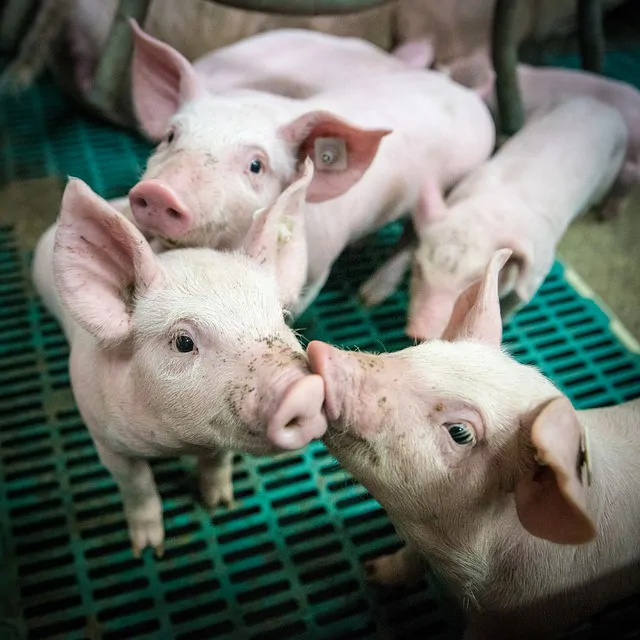 The bacteria Clostridium perfringens is responsible for various fatal diseases in animals and humans. These include botulism, tetanus, gas gangrene, and numerous intestinal infections.
These widespread bacteria are particularly dangerous. They produce extremely potent toxins that attack the cells of the infected host.
In newborn piglets, an infection often results in a painful intestinal infection and death. Ten years ago, researchers showed that the beta toxin produced by the bacteria kills vascular cells, thereby causing bleeding in the piglet’s intestine. Until now, however, it was not known why the toxin specifically attacks these cells and not others.
Researchers at the University of Bern have now discovered how the bacteria causes this fatal intestinal bleeding. At the center is a molecule on the surface of endothelial cells inside blood vessels: the Platelet-Endothelial Cell Adhesion Molecule-1 (PECAM-1) or CD31. CD31 is responsible for regulating the interaction between inflammatory cells and blood vessels.
The beta toxin released by the deadly bacteria binds to CD31, thereby piercing the cell membrane and killing the endothelial cells. The blood vessels are damaged, which inevitably leads to bleeding in the intestine.
This discovery could help researchers develop better vaccines to more effectively prevent this deadly disease in pigs. Furthermore, this mechanism by which the toxin binds to CD31 could inspire new discoveries in humans and the development of new forms of therapy, particularly for human vascular diseases.
The bacteria Clostridium perfringens is responsible for various fatal diseases in animals and humans. These include botulism, tetanus, gas gangrene, and numerous intestinal infections.
These widespread bacteria are particularly dangerous. They produce extremely potent toxins that attack the cells of the infected host.
In newborn piglets, an infection often results in a painful intestinal infection and death. Ten years ago, researchers showed that the beta toxin produced by the bacteria kills vascular cells, thereby causing bleeding in the piglet’s intestine. Until now, however, it was not known why the toxin specifically attacks these cells and not others.
Researchers at the University of Bern have now discovered how the bacteria causes this fatal intestinal bleeding. At the center is a molecule on the surface of endothelial cells inside blood vessels: the Platelet-Endothelial Cell Adhesion Molecule-1 (PECAM-1) or CD31. CD31 is responsible for regulating the interaction between inflammatory cells and blood vessels.
The beta toxin released by the deadly bacteria binds to CD31, thereby piercing the cell membrane and killing the endothelial cells. The blood vessels are damaged, which inevitably leads to bleeding in the intestine.
This discovery could help researchers develop better vaccines to more effectively prevent this deadly disease in pigs. Furthermore, this mechanism by which the toxin binds to CD31 could inspire new discoveries in humans and the development of new forms of therapy, particularly for human vascular diseases.
Read next
Research & Diagnostics
10/09/2026
WHO sets new diagnostic targets for Echinococcus granulosus in humans, dogs and sheep
Research & Diagnostics
10/09/2026
Nipah virus in wastewater: promising for early warning?
Research & Diagnostics
10/01/2026
Commentaires
No comments yet.
Sign in to comment