

Back to articles
Research & Diagnostics
Animal health
Ceva
Chlamydiosis
Chloramphenicol
Dog
Koala
Marsupial
Sexually transmitted disease
STD
Wildlife Parks
Chlamydia Infection: Chloramphenicol and a New Vaccine Come to the Rescue of Australian Koalas
V
Vetitude
01/29/2016
2 min read
0 comments
Share:
Chlamydiosis causes high mortality rates among koalas in Australia. According to Australian authorities, between 30 and 50 percent of wild koalas suffer from this disease, which is also common in humans. In these marsupials, Chlamydia infection is associated with conjunctivitis, which can progress to blindness, pneumonia, bladder inflammation, and the formation of cysts in the genital tract of females, leading to infertility. The infection also alters the DNA of sperm in males. However, since the only effective medication, chloramphenicol, was no longer being manufactured, the Australian subsidiary of Ceva Animal Health resumed production of this antibiotic specifically to save these animals. Since then, a vaccine has been developed.
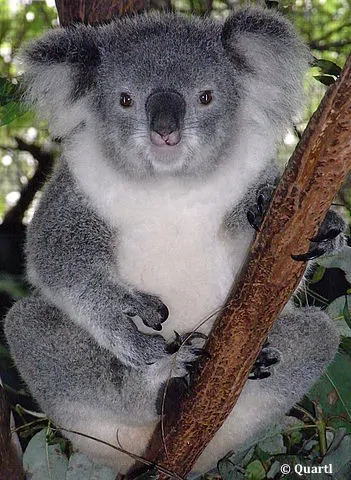 Faced with the prevalence of Chlamydia infection among koalas in Australia—both wild and in captivity—Ceva Animal Health sought to commit to the preservation of this iconic marsupial. The company first donated its medication—vital for combating the disease in this species—to Australia Zoo in Brisbane. Subsequently, other zoos across the country have also successfully implemented chloramphenicol-based antibiotic therapy for their koalas.
Paradoxically, the koala appears to be a good model for treating this sexually transmitted disease in humans, which often remains asymptomatic. After seven years of research, a team of researchers from the Queensland University of Technology (Brisbane, Australia) has developed a Chlamydia vaccine that offers an alternative to current antibiotic treatment. Its efficacy is currently being evaluated in a comprehensive clinical trial involving 30 koalas at Australia Zoo, and additional field tests are being conducted on their wild counterparts. So far, the vaccinated animals are showing strong immune responses to the new vaccine and, most importantly, a decrease in Chlamydia infection levels. This discovery could eventually lead to the development of a vaccine against the bacteria in humans.
The Australian government designated the koala as “vulnerable” in April 2012. Despite this, the Australian Koala Foundation now estimates that fewer than 80,000 koalas live in the wild—perhaps as few as 43,000. In addition to disease, koalas are primarily victims of habitat destruction and fragmentation, dog attacks, wildfires, traffic accidents, and other threats.
Faced with the prevalence of Chlamydia infection among koalas in Australia—both wild and in captivity—Ceva Animal Health sought to commit to the preservation of this iconic marsupial. The company first donated its medication—vital for combating the disease in this species—to Australia Zoo in Brisbane. Subsequently, other zoos across the country have also successfully implemented chloramphenicol-based antibiotic therapy for their koalas.
Paradoxically, the koala appears to be a good model for treating this sexually transmitted disease in humans, which often remains asymptomatic. After seven years of research, a team of researchers from the Queensland University of Technology (Brisbane, Australia) has developed a Chlamydia vaccine that offers an alternative to current antibiotic treatment. Its efficacy is currently being evaluated in a comprehensive clinical trial involving 30 koalas at Australia Zoo, and additional field tests are being conducted on their wild counterparts. So far, the vaccinated animals are showing strong immune responses to the new vaccine and, most importantly, a decrease in Chlamydia infection levels. This discovery could eventually lead to the development of a vaccine against the bacteria in humans.
The Australian government designated the koala as “vulnerable” in April 2012. Despite this, the Australian Koala Foundation now estimates that fewer than 80,000 koalas live in the wild—perhaps as few as 43,000. In addition to disease, koalas are primarily victims of habitat destruction and fragmentation, dog attacks, wildfires, traffic accidents, and other threats.
Read next
Research & Diagnostics
10/09/2026
WHO sets new diagnostic targets for Echinococcus granulosus in humans, dogs and sheep
Research & Diagnostics
10/09/2026
Nipah virus in wastewater: promising for early warning?
Research & Diagnostics
10/01/2026
Commentaires
No comments yet.
Sign in to comment