

Back to articles
Research & Diagnostics
ALPL
Canine
Canine model
Chondrodysplastic
Diagnosis
Dog Selection
Dwarfism
Genetics
Hypophosphatasia
ITGA10
Karelian Bear Dog
Pedigree dog
Skeleton
Veterinarian
Canine Genetics: First Spontaneous Animal Model of Human Hypophosphatasia
V
Vetitude
02/06/2019
3 min read
0 comments
Share:
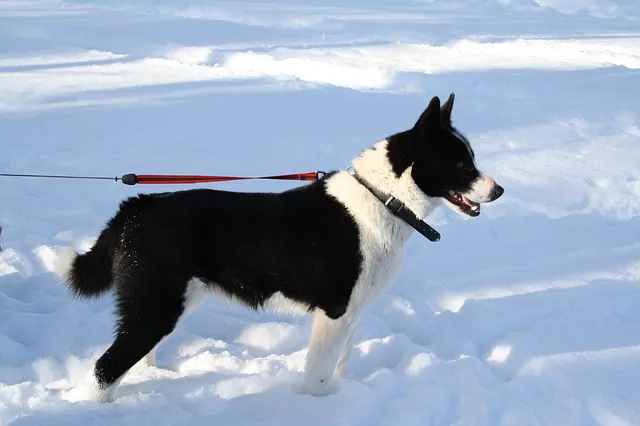
A new genetic disease affecting the dog’s skeleton has just been discovered by a research team at the University of Helsinki. This hereditary condition has been identified in the Karelian Bear Dog. In this dog breed, it results from a defect in the ALPL gene, which encodes tissue-nonspecific alkaline phosphatase (found in the liver, bones, kidneys, and teeth). As in humans, the ALPL gene mutation causes a rare metabolic bone disease of varying severity known as hypophosphatasia. Until now, hypophosphatasia had not occurred spontaneously in animals. A genetic test has been developed to exclude affected dogs from breeding.
 Human hypophosphatasia is a hereditary disease that primarily affects bone and tooth mineralization. It is also a multisystemic disorder, with neurological, muscular, and renal manifestations, among others. In humans, nearly 400 mutations in the ALPL gene, which causes hypophosphatasia, have been reported. The disease presents in six clinical forms of varying severity, depending on the age of symptom onset and the presence or absence of skeletal manifestations: perinatal (fatal), infantile, juvenile, adult, benign prenatal, and dental.
Canine hypophosphatasia resembles the human infantile form, which is generally characterized by severe skeletal hypomineralization
and may be accompanied by other debilitating symptoms, such as seizures. Although extensively studied in humans, the findings from the study of this disease in dogs are significant because they represent the first natural animal model of hypophosphatasia. This could pave the way for the development of new treatments. The canine model can indeed serve as a preclinical model, while the development of a genetic test should facilitate canine breeding programs.
The defect in the canine ALPL gene was identified using
a new form of genetic testing—exome sequencing—in a single affected dog. A total of seven affected Karelian Bear Dog puppies were included in the study, all of whom had inherited the defective gene from both parents. Clinical examinations and histopathological examinations of the affected puppies revealed generalized skeletal ossification defects, bone hypomineralization, and growth retardation. Serum alkaline phosphatase levels were nearly ten times lower than in control puppies. Furthermore, as in humans, urinalysis revealed elevated levels of phosphoethanolamine, and some puppies experienced seizures. Due to the severity of the clinical signs and a poor prognosis, the dogs in the study had to be euthanized.
The study led to the development of a breed-specific genetic test to identify dogs carrying the defective ALPL gene,
thereby preventing the birth of affected puppies. This genetic test provides a new tool for Karelian Bear Dog breeders
in genetic
selection, but also offers veterinarians a diagnostic aid to help identify affected dogs. The clinical spectrum, in dogs as in humans, is indeed extremely broad, and the symptoms are varied.
The Finnish research group had previously identified another skeletal disorder in Karelian Bear Dogs: disproportionate chondrodysplastic dwarfism resulting from a recessive mutation in the ITGA10 gene.
Human hypophosphatasia is a hereditary disease that primarily affects bone and tooth mineralization. It is also a multisystemic disorder, with neurological, muscular, and renal manifestations, among others. In humans, nearly 400 mutations in the ALPL gene, which causes hypophosphatasia, have been reported. The disease presents in six clinical forms of varying severity, depending on the age of symptom onset and the presence or absence of skeletal manifestations: perinatal (fatal), infantile, juvenile, adult, benign prenatal, and dental.
Canine hypophosphatasia resembles the human infantile form, which is generally characterized by severe skeletal hypomineralization
and may be accompanied by other debilitating symptoms, such as seizures. Although extensively studied in humans, the findings from the study of this disease in dogs are significant because they represent the first natural animal model of hypophosphatasia. This could pave the way for the development of new treatments. The canine model can indeed serve as a preclinical model, while the development of a genetic test should facilitate canine breeding programs.
The defect in the canine ALPL gene was identified using
a new form of genetic testing—exome sequencing—in a single affected dog. A total of seven affected Karelian Bear Dog puppies were included in the study, all of whom had inherited the defective gene from both parents. Clinical examinations and histopathological examinations of the affected puppies revealed generalized skeletal ossification defects, bone hypomineralization, and growth retardation. Serum alkaline phosphatase levels were nearly ten times lower than in control puppies. Furthermore, as in humans, urinalysis revealed elevated levels of phosphoethanolamine, and some puppies experienced seizures. Due to the severity of the clinical signs and a poor prognosis, the dogs in the study had to be euthanized.
The study led to the development of a breed-specific genetic test to identify dogs carrying the defective ALPL gene,
thereby preventing the birth of affected puppies. This genetic test provides a new tool for Karelian Bear Dog breeders
in genetic
selection, but also offers veterinarians a diagnostic aid to help identify affected dogs. The clinical spectrum, in dogs as in humans, is indeed extremely broad, and the symptoms are varied.
The Finnish research group had previously identified another skeletal disorder in Karelian Bear Dogs: disproportionate chondrodysplastic dwarfism resulting from a recessive mutation in the ITGA10 gene.
Read next
Research & Diagnostics
10/09/2026
WHO sets new diagnostic targets for Echinococcus granulosus in humans, dogs and sheep
Research & Diagnostics
10/09/2026
Nipah virus in wastewater: promising for early warning?
Research & Diagnostics
10/01/2026
Commentaires
No comments yet.
Sign in to comment