

Back to articles
Research & Diagnostics
Canine Flu
Cornell University
Epizootic
Genetic Testing
H3N2
H3N8
Influenza A
The National Veterinary Services Laboratories
Canine Flu in the United States: The Asian H3N2 Virus Is Indeed to Blame
B
bertrand-neveux
04/23/2015
3 min read
0 comments
Share:
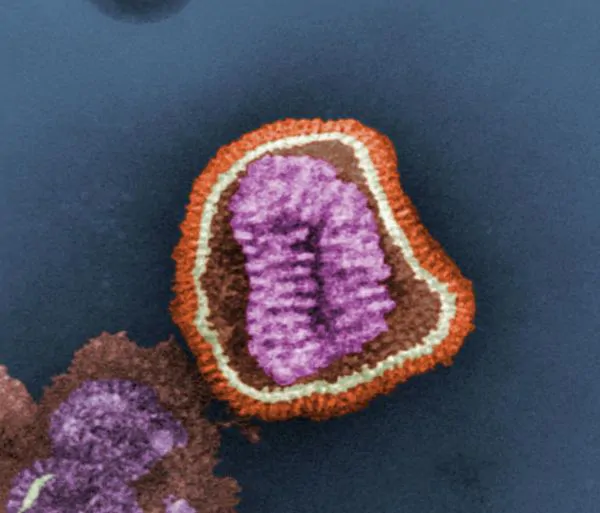
Researchers at Cornell University and the University of Wisconsin are certain: the current epizootic of influenza A, which has already affected more than a thousand dogs in the Chicago area, is caused by a new strain never before observed in the United States—the H3N2 subtype of Asian origin.
Genetic tests, conducted by the
National Veterinary Services Laboratories
in Iowa, confirm that the H3N2 influenza virus currently circulating and spreading in the United States is closely related to Asian strains of influenza A H3N2 that have been affecting canine populations in China and South Korea since 2006. These strains have also caused infection and respiratory problems in cats in Asia, although no feline cases have been reported in the United States so far.
The eight genome segments of the U.S. virus match 99% of those from viruses isolated from dogs and cats in South Korea. The virus therefore likely originated in Asia, though not necessarily in South Korea, according to Cornell researchers.
Although all previous outbreaks of canine influenza in the United States have been caused by the H3N8 subtype, genetic testing of samples collected in the Chicago area shows no signs of reassortment with canine viruses of the H3N8 subtype or avian viruses of the H3N2 subtype. The Asian-origin canine H3N2 influenza virus is also distinct from the human seasonal influenza A virus.
 A serological test specific to H3N2 is under development and will soon be available.
As for prevention, researchers do not yet know whether vaccines currently targeting the H3N8 subtype—which is still circulating—will provide cross-immunity to dogs exposed to the H3N2 subtype. However, even if it does not prevent infection, vaccination can reduce the incidence and severity of the disease. There is, however, no vaccine available for cats at this time
.
In areas where influenza viruses are active, pet owners are advised to avoid places where dogs gather and to prevent contact between animals. They should contact their veterinarian at the first sign of symptoms (cough, lethargy, loss of appetite, nasal discharge, increased respiratory rate, fever).
As for testing, the best results are obtained from samples collected as soon as possible after the onset of the disease. Sick dogs should, of course, be isolated from other dogs. The virus can survive for 48 hours on hard surfaces and 24 hours on clothing.
Fortunately, soap and water are very effective at inactivating influenza viruses.
According to the American Veterinary Medical Association
(AVMA), they are easily killed by disinfectants commonly used in veterinary clinics, animal shelters, and similar settings. However, it is essential to strictly follow isolation protocols for dogs showing clinical signs of respiratory disease and to clean and perform disinfection on clothing, equipment, surfaces, and hands after any exposure.
Illinois, Indiana, Wisconsin, and Ohio are reportedly also affected by the epizootic.
For more information: https://www.avma.org/KB/Resources/Reference/Pages/Canine-Influenza-Backgrounder.aspx
A serological test specific to H3N2 is under development and will soon be available.
As for prevention, researchers do not yet know whether vaccines currently targeting the H3N8 subtype—which is still circulating—will provide cross-immunity to dogs exposed to the H3N2 subtype. However, even if it does not prevent infection, vaccination can reduce the incidence and severity of the disease. There is, however, no vaccine available for cats at this time
.
In areas where influenza viruses are active, pet owners are advised to avoid places where dogs gather and to prevent contact between animals. They should contact their veterinarian at the first sign of symptoms (cough, lethargy, loss of appetite, nasal discharge, increased respiratory rate, fever).
As for testing, the best results are obtained from samples collected as soon as possible after the onset of the disease. Sick dogs should, of course, be isolated from other dogs. The virus can survive for 48 hours on hard surfaces and 24 hours on clothing.
Fortunately, soap and water are very effective at inactivating influenza viruses.
According to the American Veterinary Medical Association
(AVMA), they are easily killed by disinfectants commonly used in veterinary clinics, animal shelters, and similar settings. However, it is essential to strictly follow isolation protocols for dogs showing clinical signs of respiratory disease and to clean and perform disinfection on clothing, equipment, surfaces, and hands after any exposure.
Illinois, Indiana, Wisconsin, and Ohio are reportedly also affected by the epizootic.
For more information: https://www.avma.org/KB/Resources/Reference/Pages/Canine-Influenza-Backgrounder.aspx
Read next
Research & Diagnostics
10/09/2026
WHO sets new diagnostic targets for Echinococcus granulosus in humans, dogs and sheep
Research & Diagnostics
10/09/2026
Nipah virus in wastewater: promising for early warning?
Research & Diagnostics
10/01/2026
Commentaires
No comments yet.
Sign in to comment