

Back to articles
Biomimicry: Innovation Inspired by Nature Isn't Catching On in France
MR
Mia Rozenbaum
02/17/2021
5 min read
0 comments
Share:
Humans have always drawn inspiration from nature and living things. Just look at bird-shaped airplanes, needles modeled after insect stingers, or flippers modeled after fish fins. Today, many startups draw on attributes or properties found in animals or plants to invent the technologies of tomorrow. Yet French research has been slow to make its mark in this field.
Since the 1990s, bio-inspiration has experienced a real surge in momentum, driven by American scientist Janine Benyus. Today, it attracts hundreds of scientists and entrepreneurs seeking inspiration in the world’s oldest R&D laboratory: nature.
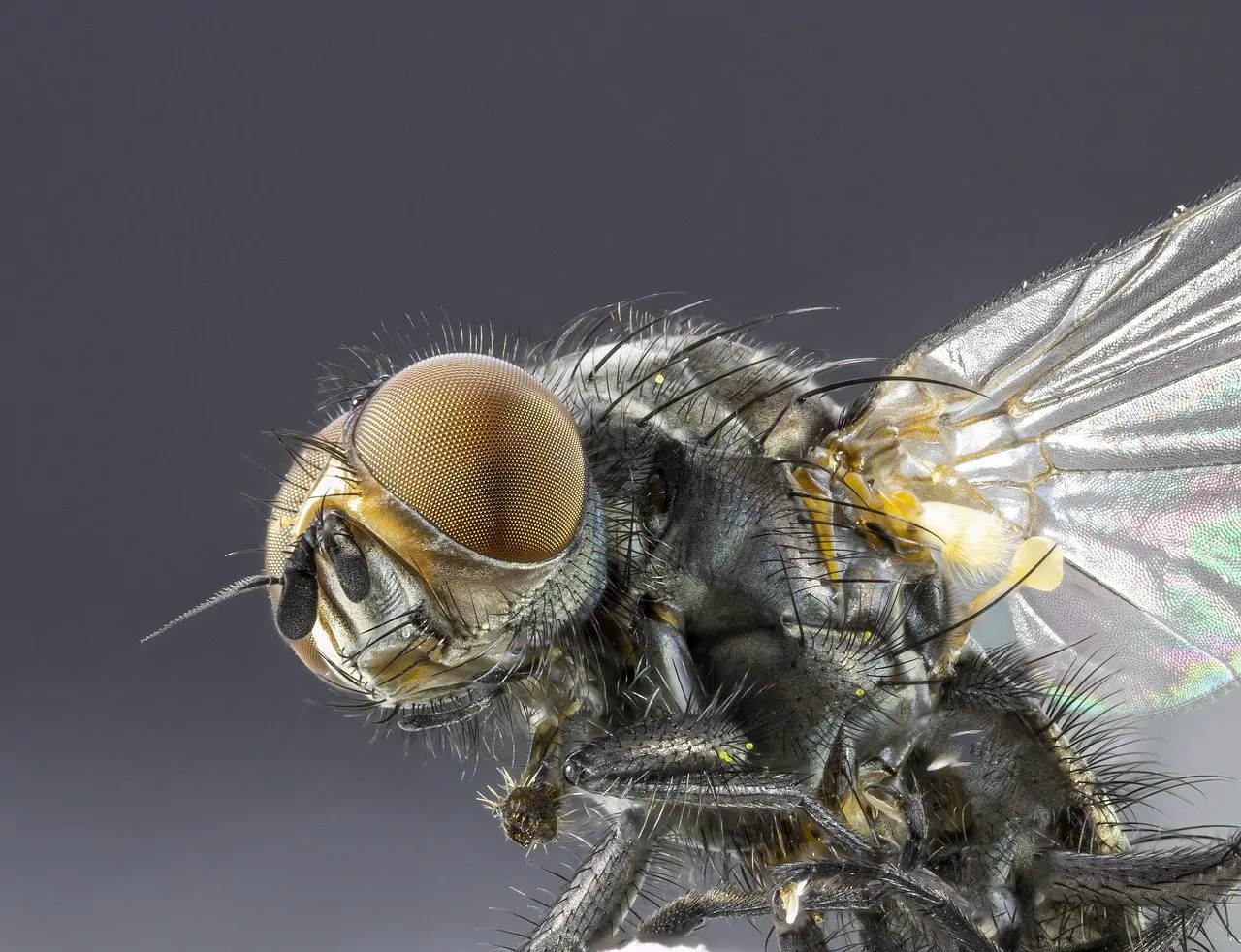
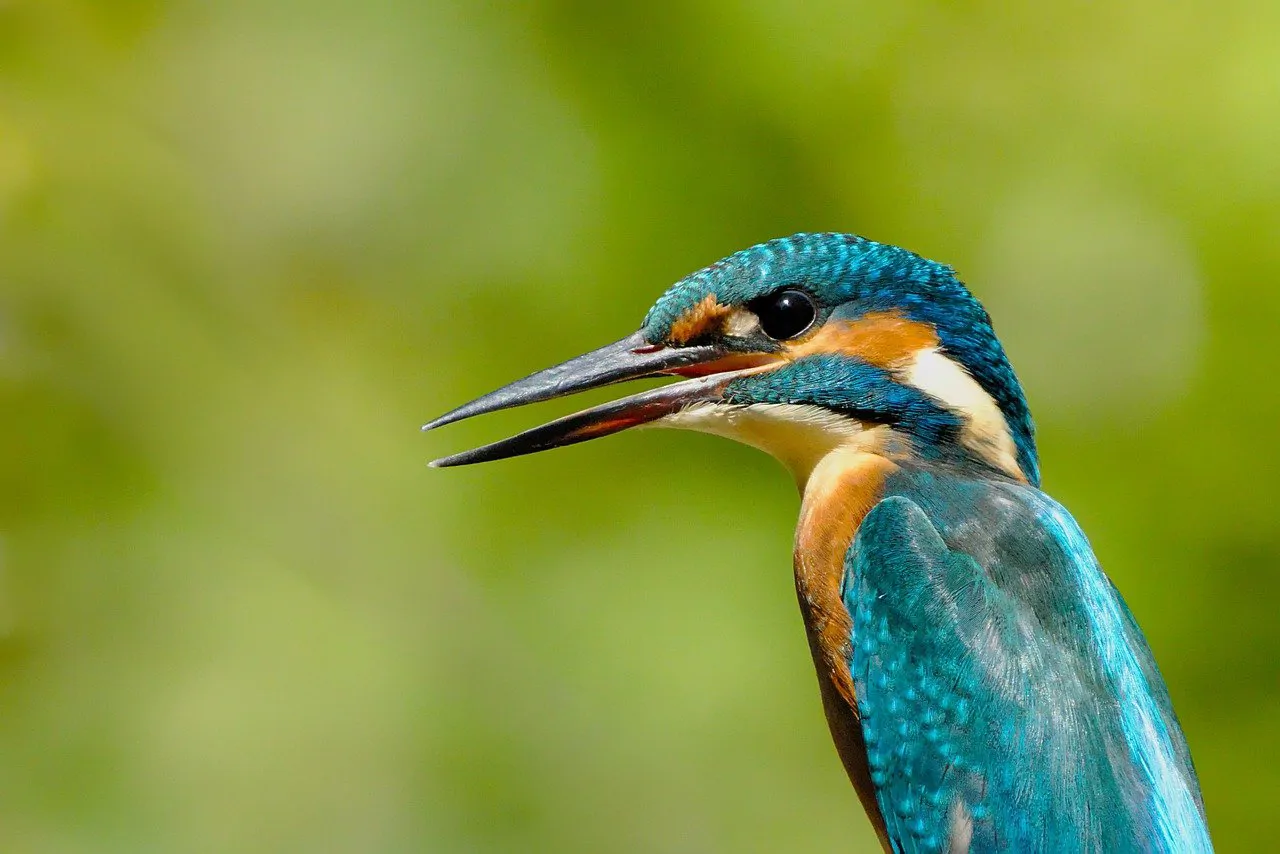
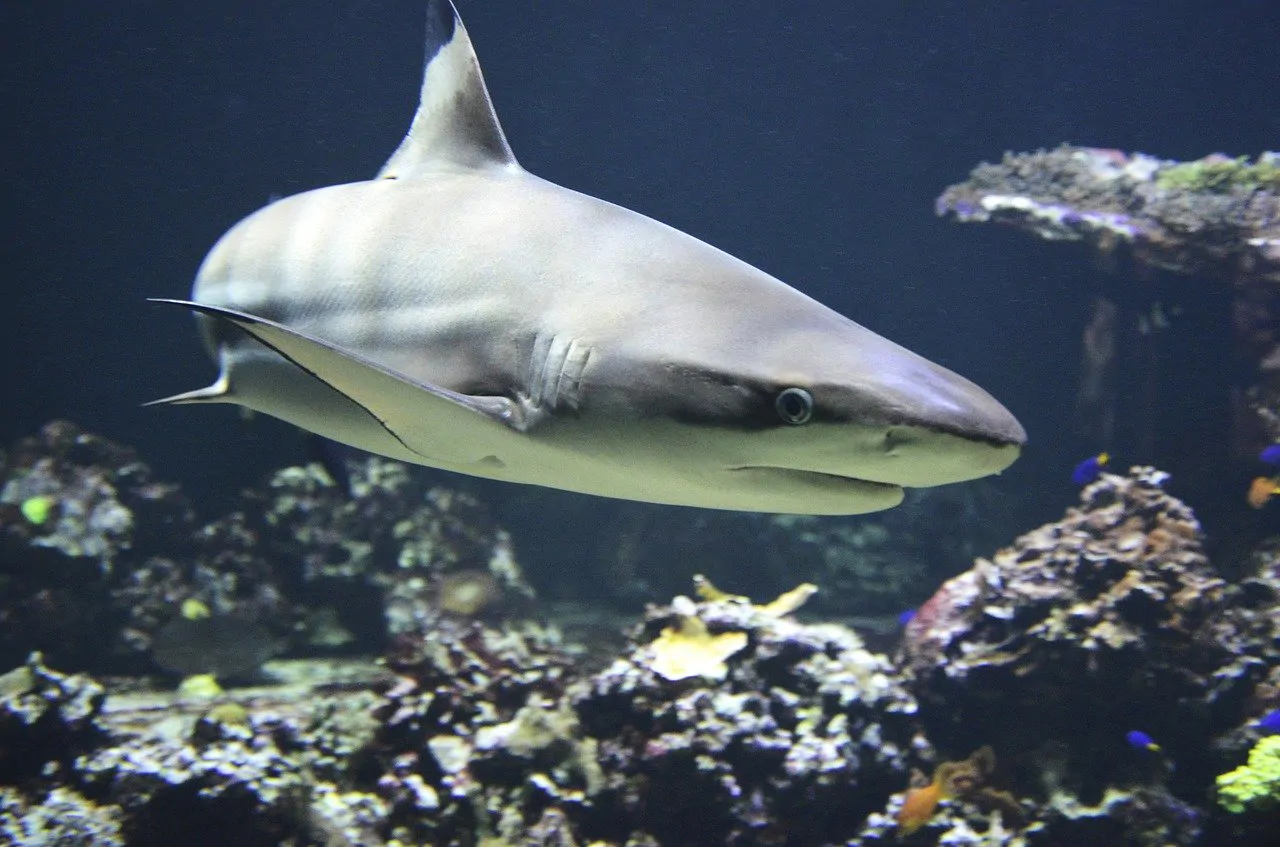
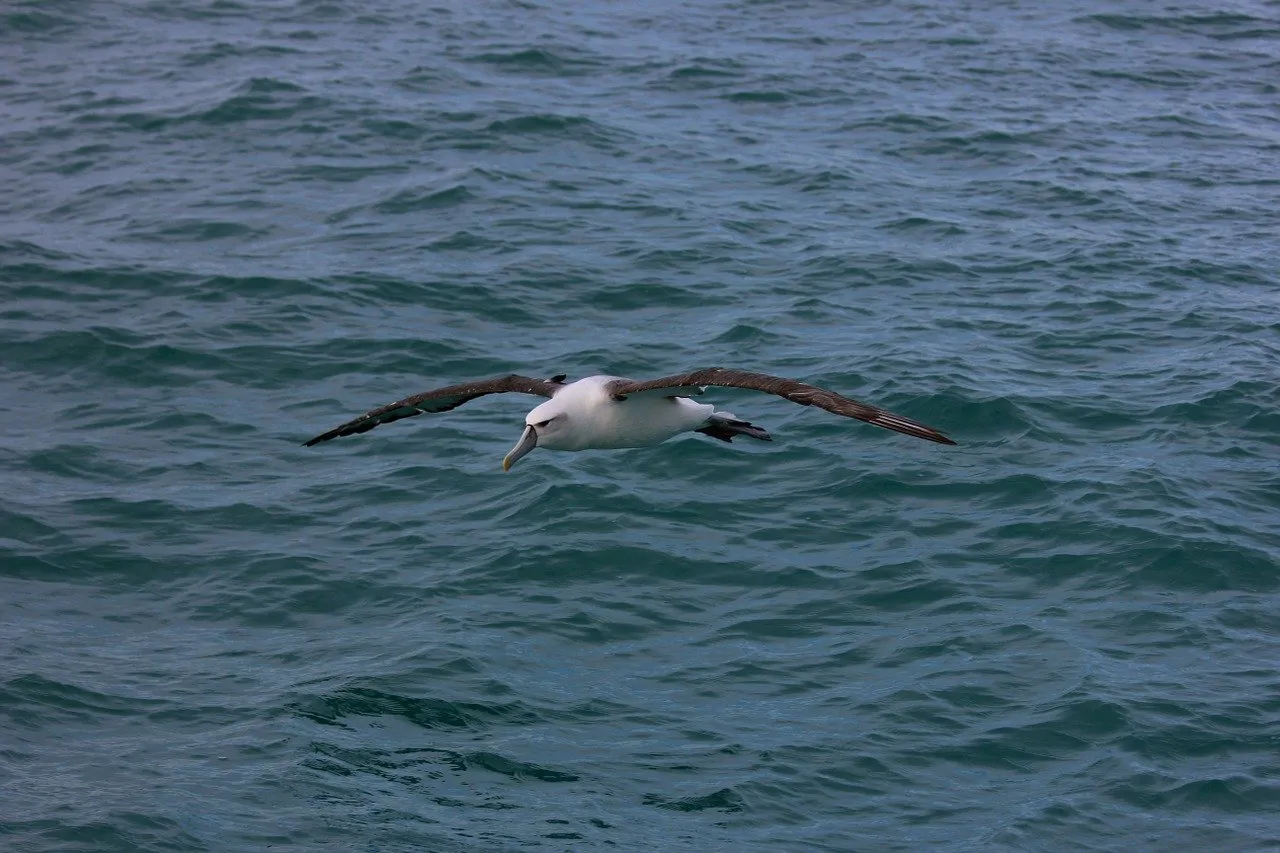
Drawing Inspiration from Nature to Innovate
Nature remains the only “engineer” capable of creating infinite production cycles, while drawing its creativity from environmental constraints. For every problem encountered, a multitude of solutions emerge and are tested to select the best ones. Nature thus offers more than 3.8 years’ worth of experience, innovations, and trials to arrive at strategies believed to be the best possible fit. This is the very principle of evolution and the survival of the fittest. Living organisms evolve to find appropriate solutions to a wide range of challenges they face daily, within a constrained environment. The richness of biodiversity is merely a reflection of the full variety of natural expertise. And the strategies adopted represent an inexhaustible source of ideas and optimized approaches—both simple and sophisticated—for scientists. The value of bio-inspiration lies in deciphering and adapting these techniques and functions, which have been tested over millennia of evolution. But it is not simply a matter of copying nature exactly; rather, it involves extrapolating technology that offers advantages in terms of feasibility, performance, and cost.All sectors are affected
The versatility and richness of adaptive strategies make nature a driver of innovation for all sectors. Whether in aeronautics, healthcare, construction, energy, or even IT and the luxury goods industry, biomimicry serves as a source of inspiration everywhere. It is an inexhaustible toolbox. Today, we live with the finished products of biomimicry on a daily basis. Burdock flowers and their tiny hooks, for example, gave rise to Velcro. The study of the kingfisher’s skull also helped optimize the Japanese Shinkansen and its aerodynamics. The military has also drawn inspiration from nature by designing torpedoes modeled after the claws of mantis shrimp, which are capable of piercing shells with incredible efficiency. Beyond physical objects, social insects have helped optimize logistics algorithms that can streamline the movement of people and transportation systems while reducing costs and greenhouse gas emissions. From fly eyes to help the blind to a shark-inspired Speedo swimsuit, hundreds of projects like these are currently in development.The Future of Bio-Inspired Research
Researchers have been drawing inspiration from nature for many years, but according to experts, that is no longer enough. They argue that we must now break away from existing models of creation. It is no longer just a matter of optimizing innovation to produce at the highest efficiency and lowest cost. We must also factor in a new ecological constraint. But here too, the answer may lie in nature. Manufacturing an efficient solar panel requires high temperatures and pressures, as well as rare metals. It’s better to take inspiration from a leaf, which is a marvelous solar energy panel—admittedly with lower efficiency but with a neutral ecological impact—explains Tarik Chekchak, secretary general of the French committee of Biomimicry Europa, an association that promotes biomimicry. Rather than devising technologies that are more profitable but “dirty,” we should instead focus on scaling up solutions that are less optimized but more environmentally friendly. But to do so, we must embrace “disruptive innovations.”Commitments That Fall Short of the Potential
Yet these “obvious truths” are struggling to find concrete applications. The debate at the Economic, Social, and Environmental Council (CESE) on September 9, 2015, had nevertheless led to the unanimous adoption of recommendations , including the need for public authorities to invest in a manner commensurate with the economic stakes. The goal was to “promote cooperation among different scientific disciplines, between the public and private sectors, and between France and other countries.” The Germans, who have been at the forefront of this issue since the early 2000s, have provided 8 million euros in funding over six years for Biokon, a network that brings together programs on biomimicry, through a joint effort by the ministers of Research, Ecology, and the Economy. By comparison, France’s commitments are almost embarrassing. The few tens of thousands of euros promised to Ceebios, the Center for Studies and Expertise in Biomimicry, by the Ministry of the Environment seem rather meager. The research center operates on a budget of €160,000, whereas it would need nearly half a million—and several million over the next five years. Yet this is not due to a lack of interest—quite the contrary. Companies are even beginning to take a serious interest in the issue. “They have no choice; it’s part of their future development ,” says Patricia Ricard, president of the Paul Ricard Oceanographic Research Institute. Otherwise, how can we explain why major companies like L’Oréal, Eiffage, Dassault, LVMH, Air Liquide, Renault, and others are investing in Ceebios, even though they don’t need it to develop their own research programs? It’s a good sign that something is happening.” France is therefore still in a transitional phase on this issue. The CNRS has included biomimicry among its strategic priorities through 2023, but the approximately 140 French teams working on biomimicry projects (materials, chemistry, energy, robotics) are still struggling to secure adequate support. Their network and institutional support are still too limited to give their research the scope it deserves. However, the shift should not be long in coming. Dwindling resources, ongoing climate change, and emerging environmental challenges will only accelerate the need for innovations inspired by nature that have no environmental impact. The stakes for 100% natural solutions are considerable.Read next
Research & Diagnostics
10/09/2026
WHO sets new diagnostic targets for Echinococcus granulosus in humans, dogs and sheep
Research & Diagnostics
10/09/2026
Nipah virus in wastewater: promising for early warning?
Research & Diagnostics
10/01/2026
Commentaires
No comments yet.
Sign in to comment