

Back to articles
Research & Diagnostics
American crayfish
American Mink
Animal health
Animal species
Asian hornet
Asian stud
Biodiversity
Bullfrog
Chinese crab
Ecosystem
Eurogroup for Animals
Familiar Raven
Florida Turtle
Fur Farm
Gray Squirrel
Invasive Alien Species
Javanese mongoose
Livestock Farming
Louisiana crayfish
Love Bolt
Mammal
Nutria
Pacific crayfish
Pets
Raccoon
Red coati
Red squirrel
Red-bellied Squirrel
Red-spotted crayfish
Reeves' Muntjac
Rufous-necked Duck
Sacred Ibis
Siberian Squirrel
Swamp crayfish
Zoo
Biodiversity: Brussels Identifies 37 Invasive Alien Species to Be Controlled in Europe
V
Vetitude
07/19/2016
5 min read
0 comments
Share:
On July 13, the European Commission finally adopted the list of invasive alien species of concern to the Union*. Anticipated for several months, this first list includes 37 invasive species—animal and plant—to be controlled within the European Union. The designation of these target species, which takes effect twenty days after publication in the Official Journal of the EU, will enable the implementation of the control measures set forth in the EU regulation that entered into force on January 1, 2015**. Thus, as of August 3, the importation, possession, transport, use or exchange, sale, reproduction, release, breeding, or cultivation of these 37 undesirable animals and plants will be prohibited in all Member States.
 According to estimates, biodiversity loss and ecosystem degradation cost the European Union up to 3% of its gross domestic product each year, or more than 12 billion euros annually.
Given the scale of the damage, the strategy* adopted in 2011—developed by the Commission in collaboration with the Member States—sets a priority objective: to halt biodiversity loss by 2020 compared to a 2010 baseline. Six operational objectives have been set, accompanied by twenty actions. Among them, Objective No. 5 aims to prevent, minimize, or mitigate the adverse effects on biodiversity caused by invasive species—specifically those listed in the publication issued on July 14. The “EU regulation on the prevention and management of the introduction and spread of invasive alien species,” now fully in effect, is part of the actions being implemented to achieve this objective.
Of the 37 invasive species (see list)
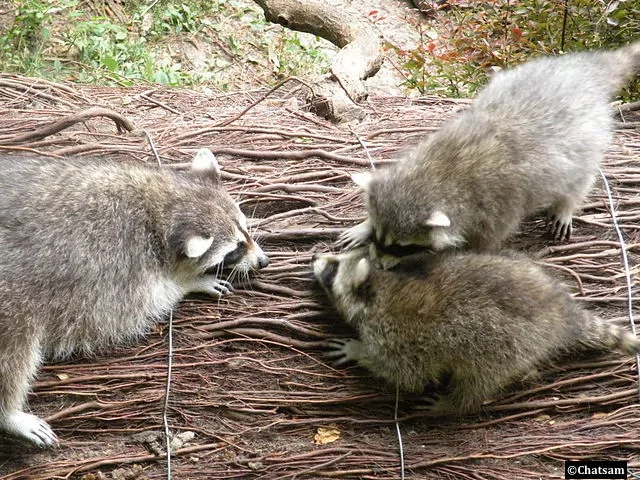
that the 27 EU member states will have to combat, more than 20 are present in France, including the Asian hornet, the raccoon, the gray squirrel, and the red-eared slider
. Within eighteen months, each country must conduct a comprehensive analysis of the pathways of introduction and spread of these species, as well as establish a monitoring system and effective management measures to prevent their expansion, perform early detection, eradicate them where possible, and manage those that are already widespread. Within three years, each Member State must have developed and implemented an action plan to address the identified priority pathways, which will be reviewed at least every six years. The general public will be able to participate in the preparation, modification, or review of these plans and measures.
Of the 12,000 plants, animals, fungi, or microorganisms that have spread far beyond their original range to establish themselves in Europe—either naturally or through human transport—only about 15% have become invasive, but their numbers continue to rise.
Each year, eight new species of concern become established on the continent. While the primary threat to biodiversity remains the fragmentation and destruction of ecosystems by humans, biological invasions rank second.
The Commission will conduct a full review of the Union’s list at least every six years and, in the meantime, will update it as necessary. Eurogroup for Animals already regrets that some of the most problematic species, such as the American mink, have not been included on the list.
The organization is already calling on Brussels to expand this list to include certain exotic or fur-bearing species—imported as pets or to supply fur farms—that pose a major risk to biodiversity and to human and animal health in Europe. Furthermore, Eurogroup
for Animals is calling on the Commission to develop and adopt clear guidelines on the management of the listed invasive species, with an emphasis on “humane” or non-lethal control methods, in order to prevent or minimize animal suffering as much as possible.
European regulations specifically provide for the capture of the animals in question and their placement in zoos until they die of natural causes. Animal owners of listed animals may keep them until they die, provided they do not allow them to breed or escape. For their part, holders of commercial stocks will have two years to sell their specimens, transfer them to research institutes or ex situ conservation facilities for medical purposes
, or humanely euthanize them until their stock is depleted.
* http://eur-lex.europa.eu/legal-content/FR/TXT/?qid=1468477158043&uri=CELEX:32016R1141**
http://eur-lex.europa.eu/legal-content/FR/TXT/?uri=uriserv:OJ.L_.2014.317.01.0035.01.FRA&toc=OJ:L:2014:317:TOC
According to estimates, biodiversity loss and ecosystem degradation cost the European Union up to 3% of its gross domestic product each year, or more than 12 billion euros annually.
Given the scale of the damage, the strategy* adopted in 2011—developed by the Commission in collaboration with the Member States—sets a priority objective: to halt biodiversity loss by 2020 compared to a 2010 baseline. Six operational objectives have been set, accompanied by twenty actions. Among them, Objective No. 5 aims to prevent, minimize, or mitigate the adverse effects on biodiversity caused by invasive species—specifically those listed in the publication issued on July 14. The “EU regulation on the prevention and management of the introduction and spread of invasive alien species,” now fully in effect, is part of the actions being implemented to achieve this objective.
Of the 37 invasive species (see list)
that the 27 EU member states will have to combat, more than 20 are present in France, including the Asian hornet, the raccoon, the gray squirrel, and the red-eared slider
. Within eighteen months, each country must conduct a comprehensive analysis of the pathways of introduction and spread of these species, as well as establish a monitoring system and effective management measures to prevent their expansion, perform early detection, eradicate them where possible, and manage those that are already widespread. Within three years, each Member State must have developed and implemented an action plan to address the identified priority pathways, which will be reviewed at least every six years. The general public will be able to participate in the preparation, modification, or review of these plans and measures.
Of the 12,000 plants, animals, fungi, or microorganisms that have spread far beyond their original range to establish themselves in Europe—either naturally or through human transport—only about 15% have become invasive, but their numbers continue to rise.
Each year, eight new species of concern become established on the continent. While the primary threat to biodiversity remains the fragmentation and destruction of ecosystems by humans, biological invasions rank second.
The Commission will conduct a full review of the Union’s list at least every six years and, in the meantime, will update it as necessary. Eurogroup for Animals already regrets that some of the most problematic species, such as the American mink, have not been included on the list.
The organization is already calling on Brussels to expand this list to include certain exotic or fur-bearing species—imported as pets or to supply fur farms—that pose a major risk to biodiversity and to human and animal health in Europe. Furthermore, Eurogroup
for Animals is calling on the Commission to develop and adopt clear guidelines on the management of the listed invasive species, with an emphasis on “humane” or non-lethal control methods, in order to prevent or minimize animal suffering as much as possible.
European regulations specifically provide for the capture of the animals in question and their placement in zoos until they die of natural causes. Animal owners of listed animals may keep them until they die, provided they do not allow them to breed or escape. For their part, holders of commercial stocks will have two years to sell their specimens, transfer them to research institutes or ex situ conservation facilities for medical purposes
, or humanely euthanize them until their stock is depleted.
* http://eur-lex.europa.eu/legal-content/FR/TXT/?qid=1468477158043&uri=CELEX:32016R1141**
http://eur-lex.europa.eu/legal-content/FR/TXT/?uri=uriserv:OJ.L_.2014.317.01.0035.01.FRA&toc=OJ:L:2014:317:TOC
The 37 Undesirable Species
Mammals
- red coati (Nasua nasua)
- red-bellied squirrel (Callosciurus erythraeus), black squirrel (Sciurus niger), gray squirrel (Sciurus carolinensis), Siberian chipmunk (Tamias sibiricus)
- Javan mongoose (Herpestes javanicus)
- Reeves' muntjac (Muntiacus reevesi)
- coypu (Myocastor coypus)
- raccoon (Procyon lotor)
Amphibians and Reptiles
- bullfrog (Lithobates catesbeianus)
- Florida turtle (Trachemys scripta)
Birds
- Indian crow (Corvus splendens)
- Rufous Duck (Oxyura jamaicensis)
- Sacred Ibis (Threskiornis aethiopicus)
Fish and Crustaceans
- Chinese mitten crab (Eriocheir sinensis)
- American crayfish (Orconectes limosus), Pacific crayfish (Pacifastacus leniusculus), Louisiana crayfish (Procambarus clarkii), swamp crayfish (Procambarus fallax), red-spotted crayfish (Orconectes virilis)
- love minnow (Perccottus glenii), Asian minnow (Pseudorasbora parva)
Insect
- Asian hornet (Vespa velutina nigrithorax)
Plants
- Persian hogweed (Heracleum persicum), Sosnowski’s hogweed (Heracleum sosnowskyi)
- Carolina Cabomba (Cabomba caroliniana)
- American skunk cabbage (Lysichiton americanus)
- Greater Lagarosiphon (Lagarosiphon major)
- Great feverfew (Parthenium hysterophorus)
- false buttercup hydrocotyle (Hydrocotyle ranunculoides)
- water hyacinth (Eichhornia crassipes)
- large-flowered water primrose (Ludwigia grandiflora), creeping water primrose (Ludwigia peploides)
- kudzu (Pueraria montana)
- Brazilian water milfoil (Myriophyllum aquaticum)
- Perforated knotweed (Persicaria perfoliata)
- tree ragweed (Baccharis halimifolia)
Read next
Research & Diagnostics
10/09/2026
WHO sets new diagnostic targets for Echinococcus granulosus in humans, dogs and sheep
Research & Diagnostics
10/09/2026
Nipah virus in wastewater: promising for early warning?
Research & Diagnostics
10/01/2026
Commentaires
No comments yet.
Sign in to comment