

Back to articles
Research & Diagnostics
AEE
Alauda arvensis
Animal
Aquaculture
Biodiversity
Birds
Black-tailed Heron
Common Crane
Dendrocopos leucotos
Ecology
European Environment Agency
European Thematic Center on Biological Diversity
Fish
Fishing
Freshwater Fish
Grus grus
Limosa limosa
Natura 2000
Overgrazing
Pesticides
Refit
Skylark
Special Conservation Areas
Special Protection Zone
White-backed Woodpecker
ZPS
ZSC
“Birds” Directive
“Habitats” Directive
Biodiversity: A Mixed Picture of the Health of Habitats and Species in Europe
V
Vetitude
05/26/2015
5 min read
0 comments
Share:
Brussels has adopted a new report*, “The State of Nature in the European Union,” which is intended to be the most comprehensive overview to date. This assessment will inform the midterm review of the European biodiversity strategy. According to its findings, targeted conservation measures have borne fruit, although much remains to be done to meet the challenge of bringing about real change.
Every six years, Member States submit a report on the conservation status of protected species and protected habitat types under the EU “Birds” and “Habitats” directives. These two legislative instruments aim to ensure the conservation and sustainable use of nature in the Union, particularly through
the Natura 2000 network, which brings together areas of high biological diversity. Within this framework, the two directives play a strategic role in achieving the Union’s flagship objective: “Halting the loss of biodiversity and the degradation of ecosystem services by 2020” and “ensuring their restoration where possible.”
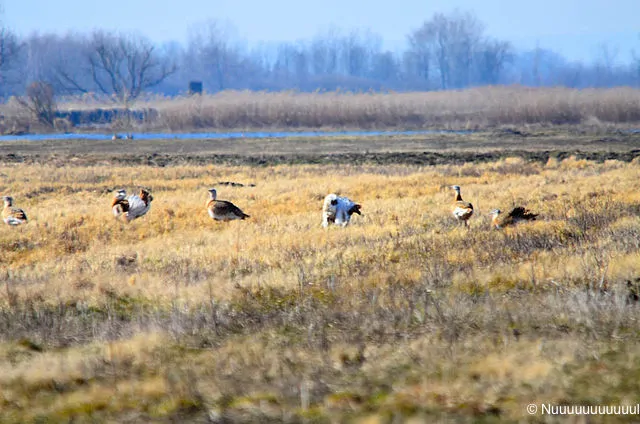 The new report, covering the period 2007–2012, is the result of the most extensive data collection effort ever organized in the Member States. For the first time, the “Birds” and “Habitats” Directives have led to a joint assessment which, while presenting a mixed picture, nevertheless demonstrates that measures taken to restore fragile ecosystems are yielding positive results. Nevertheless, many challenges remain, on which the health of nature depends—a health that is itself linked to that of the European population and its economy.
To enable a meaningful comparison between countries, Europe has been divided into nine terrestrial biogeographic regions and five marine biogeographic regions that share similar ecological conditions. Marine species and habitats remain the least well understood, and monitoring them will require significant additional efforts. Greater consistency, within the framework of the Marine Strategy Framework Directive, should, however, improve the situation.
In addition to the information provided by Member States, the data were aggregated and assessed at the EU biogeographic level by the European Environment Agency (EEA) and its European Topic Center on Biological Diversity.
The new report, covering the period 2007–2012, is the result of the most extensive data collection effort ever organized in the Member States. For the first time, the “Birds” and “Habitats” Directives have led to a joint assessment which, while presenting a mixed picture, nevertheless demonstrates that measures taken to restore fragile ecosystems are yielding positive results. Nevertheless, many challenges remain, on which the health of nature depends—a health that is itself linked to that of the European population and its economy.
To enable a meaningful comparison between countries, Europe has been divided into nine terrestrial biogeographic regions and five marine biogeographic regions that share similar ecological conditions. Marine species and habitats remain the least well understood, and monitoring them will require significant additional efforts. Greater consistency, within the framework of the Marine Strategy Framework Directive, should, however, improve the situation.
In addition to the information provided by Member States, the data were aggregated and assessed at the EU biogeographic level by the European Environment Agency (EEA) and its European Topic Center on Biological Diversity.
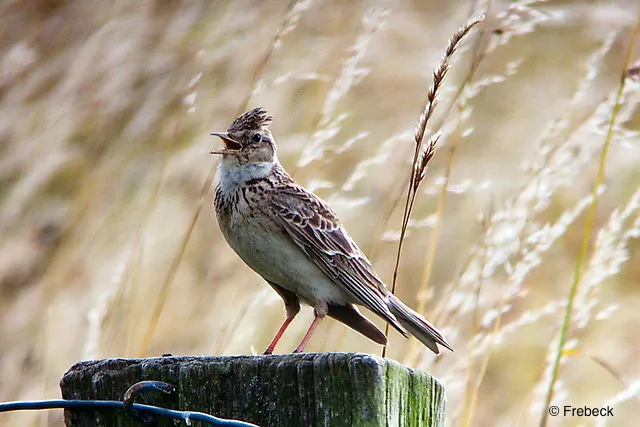 As for birds, the authors conclude that 52% of the wild species assessed (approximately 450) are “out of danger.”
Nevertheless, about 17% remain threatened, while 15% are “near threatened, declining, or decimated
,”
such as the skylark (Alauda arvensis) or the black-tailed godwit (Limosa limosa).
For bird populations of species that are not out of danger, short-term trends indicate that only 4% are “vulnerable but increasing
,”
while 6% are “vulnerable but stable”
and 20% are “vulnerable but declining.”
In marine ecosystems, 61% of bird species are “least concern.”
About a quarter of them are endangered species, highlighting the impact of predation and disturbance in colonies, bycatch, and marine pollution.
As for birds, the authors conclude that 52% of the wild species assessed (approximately 450) are “out of danger.”
Nevertheless, about 17% remain threatened, while 15% are “near threatened, declining, or decimated
,”
such as the skylark (Alauda arvensis) or the black-tailed godwit (Limosa limosa).
For bird populations of species that are not out of danger, short-term trends indicate that only 4% are “vulnerable but increasing
,”
while 6% are “vulnerable but stable”
and 20% are “vulnerable but declining.”
In marine ecosystems, 61% of bird species are “least concern.”
About a quarter of them are endangered species, highlighting the impact of predation and disturbance in colonies, bycatch, and marine pollution.
 For example, the common crane (Grus grus
), whose breeding, resting, and wintering areas receive special protection under Natura 2000, has seen its population and range increase significantly since the entry into force of the “Birds” Directive in the early 1980s. Similarly, populations of the white-backed woodpecker (Dendrocopos leucotos
), which depend on the presence of old-growth trees, have increased in Finland thanks to changes in forest management practices within Natura 2000 sites.
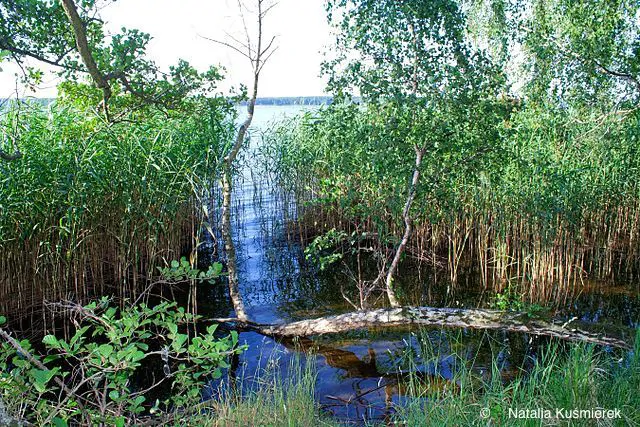
Overall, the conservation status of species and habitats in Europe appears relatively stable, with no significant change over the 2007–2012 period, but remains unfavorable and is even continuing to deteriorate. Much more sustained conservation efforts will therefore be needed to achieve the EU’s biodiversity targets by 2020. Certain species, such as freshwater fish, and habitats, such as grazing and wetlands, are cause for concern.
To reverse this trend, we must address the threats posed by agriculture and changing hydrological conditions, as well as overfishing and marine pollution.
As part of REFIT, the Commission’s program for streamlined and effective regulation, a “fitness check” of nature protection directives has just been launched to determine whether these laws are still fit for purpose. The new report on the state of nature in Europe should contribute to this assessment, particularly with regard to the effectiveness of the legislation.
* http://ec.europa.eu/environment/nature/pdf/state_of_nature_en.pdf
For example, the common crane (Grus grus
), whose breeding, resting, and wintering areas receive special protection under Natura 2000, has seen its population and range increase significantly since the entry into force of the “Birds” Directive in the early 1980s. Similarly, populations of the white-backed woodpecker (Dendrocopos leucotos
), which depend on the presence of old-growth trees, have increased in Finland thanks to changes in forest management practices within Natura 2000 sites.
Overall, the conservation status of species and habitats in Europe appears relatively stable, with no significant change over the 2007–2012 period, but remains unfavorable and is even continuing to deteriorate. Much more sustained conservation efforts will therefore be needed to achieve the EU’s biodiversity targets by 2020. Certain species, such as freshwater fish, and habitats, such as grazing and wetlands, are cause for concern.
To reverse this trend, we must address the threats posed by agriculture and changing hydrological conditions, as well as overfishing and marine pollution.
As part of REFIT, the Commission’s program for streamlined and effective regulation, a “fitness check” of nature protection directives has just been launched to determine whether these laws are still fit for purpose. The new report on the state of nature in Europe should contribute to this assessment, particularly with regard to the effectiveness of the legislation.
* http://ec.europa.eu/environment/nature/pdf/state_of_nature_en.pdf
Most birds are safe
More than 1,200 other species assessed
Among other species of Community interest, protected under the “Habitats” Directive, 23% received a “favorable” assessment. However, the conservation status of 60% of the species is still considered “unfavorable” (“insufficiently unfavorable” in 42% of cases and “poorly unfavorable” in 18%). The status of these species in grasslands, wetlands, and dunes is particularly concerning. Many species associated with freshwater habitats, such as migratory fish, are also showing an alarming decline. In terms of observed trends, of the 60% of species with an “unfavorable” conservation status, 4% are “unfavorable but improving,” 20% are “unfavorable but stable,” and 22% are “unfavorable and deteriorating.”231 types of natural habitats
Overall, the conservation status of habitats is less satisfactory and is deteriorating more rapidly than that of species. Thus, the status of most habitats is assessed as “unfavorable” (“insufficiently unfavorable” in 47% of cases and “poorly unfavorable” in 30%), with only 16% receiving a “favorable” assessment .” The main threats identified for habitats are linked to certain agricultural practices (overgrazing, the abandonment of pastoral systems, the use of fertilizers and pesticides, etc.) and to anthropogenic changes in natural conditions (the condition of water bodies, alterations to hydrological processes, etc.). For marine systems, the reported threats are “the use of living resources” (fishing, water withdrawals, and aquaculture) and “pollution.”An extensive network of protected areas
Comprising Special Protection Zones (SPZs, under the “Birds” Directive) and Special Areas of Conservation (SACs, under the “Habitats” Directive), the Natura 2000 network now covers more than 18% of the European Union’s land area and 4% of its marine area. This network helps stabilize habitats and species with an unfavorable conservation status, particularly when the necessary measures have been implemented and are well-targeted.Read next
Research & Diagnostics
10/09/2026
WHO sets new diagnostic targets for Echinococcus granulosus in humans, dogs and sheep
Research & Diagnostics
10/09/2026
Nipah virus in wastewater: promising for early warning?
Research & Diagnostics
10/01/2026
Commentaires
No comments yet.
Sign in to comment