

Back to articles
Research & Diagnostics
Belgian Shepherd
Canine Genetics
Diabetes
Fructosamine
Genetic defect
Genetic factor
Malinois
Pedigree dog
Belgian Shepherds appear to be genetically protected against diabetes
V
Vetitude
05/17/2015
3 min read
0 comments
Share:
Swedish researchers have recently discovered a genetic interaction that prevents the development of diabetes in Belgian Shepherds. They have identified a new mechanism in this breed that regulates blood glucose levels through an interaction between genes located on two different chromosomes.
 Certain dog breeds have an increased risk of developing diabetes, characterized by a chronic excess of glucose in the blood, while others are very rarely affected. The best way to diagnose and monitor the disease is to measure serum fructosamine levels, which reflect blood glucose levels over a given period.
In their study*, scientists from the Swedish University of Agricultural Sciences and Uppsala University** analyzed the DNA of more than 500 healthy pedigree dogs belonging to nine different dog breeds and from five European countries. Their goal was to determine whether there are genetic factors that might influence natural variations in serum fructosamine levels.
In their overall analysis of all breeds, they found no significant genome-wide association with serum fructosamine levels. However, when the breeds were studied separately, the researchers observed variations in a region of chromosome 3 associated with fructosamine concentration in Belgian Malinois shepherds. And very close to this region, they observed interesting candidate genes involved in upstream glucose metabolism.
To better understand what made this association specific to Belgian Shepherds, they then investigated which areas of the genome were actually different from those of other dog breeds. During this investigation, the team found a region on chromosome 5 that interacts with the one previously identified on chromosome 3. This active linkage region also contains interesting candidate genes and regulatory regions, but the underlying mechanisms of the interaction remain unknown. Nevertheless, this could explain the breed-specific nature of the initial finding.
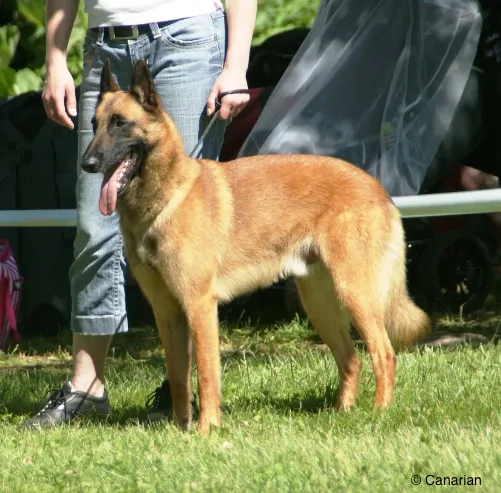
The Belgian Shepherd has a low risk of developing diabetes. The findings observed in this breed could therefore be linked to a protective mechanism against the disease. This new insight into the regulation of glucose metabolism is also likely to improve methods for diagnosing and treating diabetes mellitus.
Certain dog breeds have an increased risk of developing diabetes, characterized by a chronic excess of glucose in the blood, while others are very rarely affected. The best way to diagnose and monitor the disease is to measure serum fructosamine levels, which reflect blood glucose levels over a given period.
In their study*, scientists from the Swedish University of Agricultural Sciences and Uppsala University** analyzed the DNA of more than 500 healthy pedigree dogs belonging to nine different dog breeds and from five European countries. Their goal was to determine whether there are genetic factors that might influence natural variations in serum fructosamine levels.
In their overall analysis of all breeds, they found no significant genome-wide association with serum fructosamine levels. However, when the breeds were studied separately, the researchers observed variations in a region of chromosome 3 associated with fructosamine concentration in Belgian Malinois shepherds. And very close to this region, they observed interesting candidate genes involved in upstream glucose metabolism.
To better understand what made this association specific to Belgian Shepherds, they then investigated which areas of the genome were actually different from those of other dog breeds. During this investigation, the team found a region on chromosome 5 that interacts with the one previously identified on chromosome 3. This active linkage region also contains interesting candidate genes and regulatory regions, but the underlying mechanisms of the interaction remain unknown. Nevertheless, this could explain the breed-specific nature of the initial finding.
The Belgian Shepherd has a low risk of developing diabetes. The findings observed in this breed could therefore be linked to a protective mechanism against the disease. This new insight into the regulation of glucose metabolism is also likely to improve methods for diagnosing and treating diabetes mellitus.
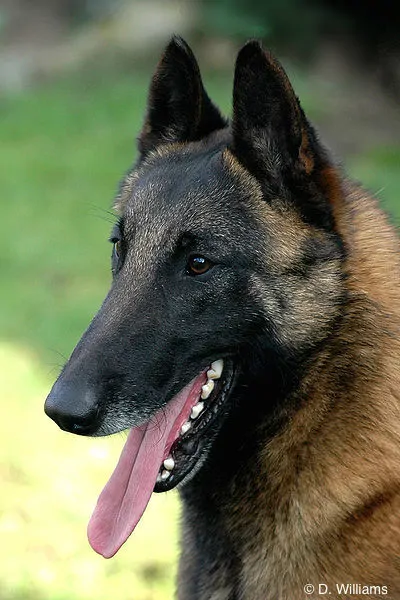 Ultimately, the Belgian Shepherd (the Malinois in this study) is a working dog, much like the German Shepherd, another breed that rarely suffers from diabetes. These dogs require high levels of oxygen and glucose to perform at their best. The researchers’ hypothesis is therefore that dogs that demonstrate good blood glucose control, such as Belgian Shepherds, have been selectively bred, thereby creating a breed with a protective trait against the development of diabetes.
* Simon K.G. Forsberg et al.: “The Shepherds’ Tale: A Genome-Wide Study Across 9 Dog Breeds Implicates Two Loci in the Regulation of Serum Fructosamine Concentration in Belgian Shepherds,” PLoS ONE, May 13, 2015, http://journals.plos.org/plosone/article?id=10.1371/journal.pone.0123173
** For the past decade, the Swedish University of Agricultural Sciences, Uppsala University, and the Broad Institute have been using dogs as animal models for research into hereditary diseases that also affect humans. Current projects focus on about twenty diseases, including diabetes, cancer, autoimmune diseases, behavioral disorders, eye conditions, and cardiomyopathies in several dog breeds.
Ultimately, the Belgian Shepherd (the Malinois in this study) is a working dog, much like the German Shepherd, another breed that rarely suffers from diabetes. These dogs require high levels of oxygen and glucose to perform at their best. The researchers’ hypothesis is therefore that dogs that demonstrate good blood glucose control, such as Belgian Shepherds, have been selectively bred, thereby creating a breed with a protective trait against the development of diabetes.
* Simon K.G. Forsberg et al.: “The Shepherds’ Tale: A Genome-Wide Study Across 9 Dog Breeds Implicates Two Loci in the Regulation of Serum Fructosamine Concentration in Belgian Shepherds,” PLoS ONE, May 13, 2015, http://journals.plos.org/plosone/article?id=10.1371/journal.pone.0123173
** For the past decade, the Swedish University of Agricultural Sciences, Uppsala University, and the Broad Institute have been using dogs as animal models for research into hereditary diseases that also affect humans. Current projects focus on about twenty diseases, including diabetes, cancer, autoimmune diseases, behavioral disorders, eye conditions, and cardiomyopathies in several dog breeds.
Read next
Research & Diagnostics
10/09/2026
WHO sets new diagnostic targets for Echinococcus granulosus in humans, dogs and sheep
Research & Diagnostics
10/09/2026
Nipah virus in wastewater: promising for early warning?
Research & Diagnostics
10/01/2026
Commentaires
No comments yet.
Sign in to comment