

Back to articles
Research & Diagnostics
Acetamiprid
ANSES
Apis mellifera
Bee
Beehive
Beekeeper
Beekeeping
Biodiversity
Bourdon
Butterfly
Clothianidin
EASAC
Ecology
French Agency for Food, Environmental and Occupational Health & Safety
Hoverfly
Imidacloprid
INRA
Monarch
Monarch butterfly
National Forest Service
National Institute for Agricultural Research
Neonicotinoids
ONF
Plant Health
Pollinator
Thiaclopride
Thiamethoxam
Bee conservation at the heart of the French action plan and the European moratorium on neonicotinoids
V
Vetitude
05/23/2015
4 min read
0 comments
Share:
Two days before International Day for Biological Diversity, which took place this Friday, Ecology Minister Ségolène Royal presented her supporting measures for the biodiversity bill to the Council of Ministers. Among them are a national plan to protect bees and wild pollinators—limited to a very small portion of the country—and an initiative to extend the European moratorium on neonicotinoid pesticides.
Pesticides in the neonicotinoid class play a major role in the decline of bees, both in France and around the world, as confirmed by the European Academies’ Science Advisory Council (EASAC), which comprises the science academies of the 28 EU member states. Its report*, published in April 2015, concludes that these pesticides have severe adverse effects on wildlife, water, and soil. Other studies also indicate neurotoxicity in humans. But while Brussels is aware of this, the 2013 EU moratorium on neonicotinoids remains limited and incomplete, banning the use of only three substances (clothianidin, imidacloprid, and thiamethoxam), and it expires this year. Furthermore, the coating of winter grain seeds (wheat, rye, oats) remains authorized, even though these crops are sown during periods that are critical for pollinators.
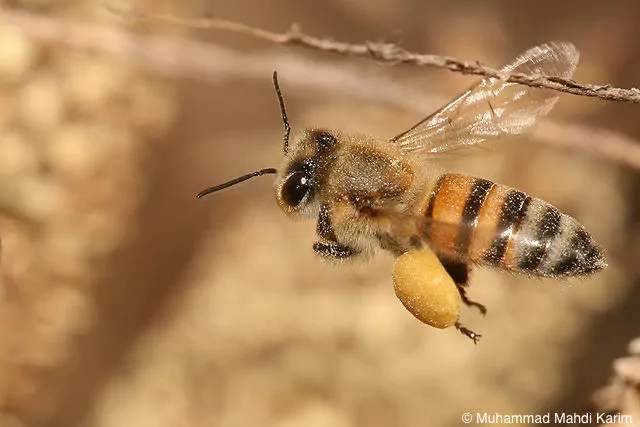 In France, the National Assembly adopted an amendment in March to the biodiversity bill calling for a total ban on neonicotinoids effective January 1, 2016, against the government’s advice. Today, the Minister of Ecology appears to want to follow the lawmakers’ lead on this issue. She is committing France to a more proactive approach, asking Brussels to extend the European moratorium to all neonicotinoid pesticides. As part of this effort, plans include entrusting the French Agency for Food, Environmental and Occupational Health & Safety (ANSES) the task of defining the new usage bans required by European scientific reevaluations, to secure confirmation of the accelerated reevaluation process for acetamiprid and thiacloprid, and to promote regional projects aimed at developing alternative solutions.
At the same time, the national action plan “France, Land of Pollinators” appears less ambitious. Nevertheless, it aims to halt the decline of species such as bees, bumblebees, hoverflies, butterflies, etc.—insects that represent an economic value of 1.5 billion euros per year for France and 14 billion for Europe. But the best practices recommended in this plan will be applied to only 20% of the national territory, through agreements signed with the National Forestry Office (ONF), the National Institute for Agricultural Research (INRA), natural parks, etc. A sort of two-tiered approach to ecology…
In addition, the government will implement late mowing and flower-rich fallow strips along the shoulders of the 12,000 km of non-concession roads, with the goal of increasing the diversity of pollinators by 30% within three years. Finally, 5,000 insect habitats and municipal educational apiaries will be installed.
This first national action plan is subject to public consultation** for two months.
Nearly 40 years after the 1976 law on nature conservation, the National Assembly passed the draft law on restoring biodiversity, nature, and landscapes in its first reading by a vote of 325 to 189. The bill is now before the Senate. But will the senators follow the deputies’ lead? We’ll find out in early July.
* http://www.easac.eu/fileadmin/Reports/Easac_15_ES_web_complete_01.pdf
** http://www.consultations-publiques.developpement-durable.gouv.fr/eau-et-biodiversite-r2.html
In France, the National Assembly adopted an amendment in March to the biodiversity bill calling for a total ban on neonicotinoids effective January 1, 2016, against the government’s advice. Today, the Minister of Ecology appears to want to follow the lawmakers’ lead on this issue. She is committing France to a more proactive approach, asking Brussels to extend the European moratorium to all neonicotinoid pesticides. As part of this effort, plans include entrusting the French Agency for Food, Environmental and Occupational Health & Safety (ANSES) the task of defining the new usage bans required by European scientific reevaluations, to secure confirmation of the accelerated reevaluation process for acetamiprid and thiacloprid, and to promote regional projects aimed at developing alternative solutions.
At the same time, the national action plan “France, Land of Pollinators” appears less ambitious. Nevertheless, it aims to halt the decline of species such as bees, bumblebees, hoverflies, butterflies, etc.—insects that represent an economic value of 1.5 billion euros per year for France and 14 billion for Europe. But the best practices recommended in this plan will be applied to only 20% of the national territory, through agreements signed with the National Forestry Office (ONF), the National Institute for Agricultural Research (INRA), natural parks, etc. A sort of two-tiered approach to ecology…
In addition, the government will implement late mowing and flower-rich fallow strips along the shoulders of the 12,000 km of non-concession roads, with the goal of increasing the diversity of pollinators by 30% within three years. Finally, 5,000 insect habitats and municipal educational apiaries will be installed.
This first national action plan is subject to public consultation** for two months.
Nearly 40 years after the 1976 law on nature conservation, the National Assembly passed the draft law on restoring biodiversity, nature, and landscapes in its first reading by a vote of 325 to 189. The bill is now before the Senate. But will the senators follow the deputies’ lead? We’ll find out in early July.
* http://www.easac.eu/fileadmin/Reports/Easac_15_ES_web_complete_01.pdf
** http://www.consultations-publiques.developpement-durable.gouv.fr/eau-et-biodiversite-r2.html
 In the United States, according to the annual study conducted by the University of Maryland, the 6,128 U.S. beekeepers who responded to the survey lost an average of 42% of their bee colonies (ranging from 14% to over 60%, depending on the state) between April 2014 and April 2015. And for the first time in five years, summer mortality (27.4%) exceeded winter losses (23.1%). This marks a dismal record for this year, which saw the second-highest annual losses since 2006–2007.
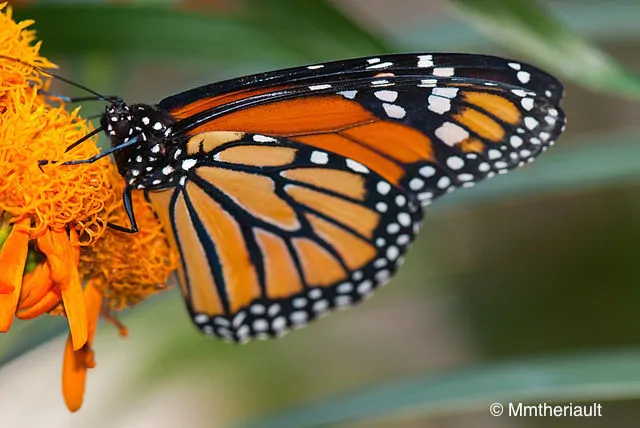
The U.S. action plan aims to limit winter bee colony mortality to a maximum of 15% over the next decade and to restore 2.8 million hectares of habitat within five years. It also aims to rebuild monarch butterfly populations, which have declined by 90% or more over the past twenty years.
Every resource is being mobilized to halt the mass die-off, from the federal government to individual citizens to scientific research.
In the United States, according to the annual study conducted by the University of Maryland, the 6,128 U.S. beekeepers who responded to the survey lost an average of 42% of their bee colonies (ranging from 14% to over 60%, depending on the state) between April 2014 and April 2015. And for the first time in five years, summer mortality (27.4%) exceeded winter losses (23.1%). This marks a dismal record for this year, which saw the second-highest annual losses since 2006–2007.
The U.S. action plan aims to limit winter bee colony mortality to a maximum of 15% over the next decade and to restore 2.8 million hectares of habitat within five years. It also aims to rebuild monarch butterfly populations, which have declined by 90% or more over the past twenty years.
Every resource is being mobilized to halt the mass die-off, from the federal government to individual citizens to scientific research.
The U.S. Action Plan to Save Bees
Read next
Research & Diagnostics
10/09/2026
WHO sets new diagnostic targets for Echinococcus granulosus in humans, dogs and sheep
Research & Diagnostics
10/09/2026
Nipah virus in wastewater: promising for early warning?
Research & Diagnostics
10/01/2026
Commentaires
No comments yet.
Sign in to comment