

Share:
The U.S. Centers for Disease Control and Prevention (CDC) tested for the presence of pox virus DNA in pets living with patients infected with pox in the United States. The CDC recommends that owners with Mpox limit their interactions with their pets while they are infectious until more is known about domestic animals’ susceptibility to the virus.
Researchers collected samples from 34 pets (24 dogs, 9 cats, and 1 pet rabbit) in 21 households where at least one case of Mpox had been confirmed between July 2022 and March 2023. Samples were collected from the animals’ fur, abdomen, oral cavity, anorectal region, and any lesions, as well as from objects such as beds and toys.
In total, 12% of animal samples and 25% of environmental samples tested positive for Mpox, but no evidence of active infection (live virus or antibodies against orthopoxvirus) was found in blood samples. These results suggest contamination by viral DNA from infected humans. Thus, despite the detection of viral DNA in some pets, infection with the smallpox virus in pets—even though they are potential hosts—has not been characterized. Clinical signs, viral shedding, and the duration of the infectious period remain unknown. The scarcity of evidence of infection even when exposed to the virus also suggests that these animals may be resistant to Mpox infection.
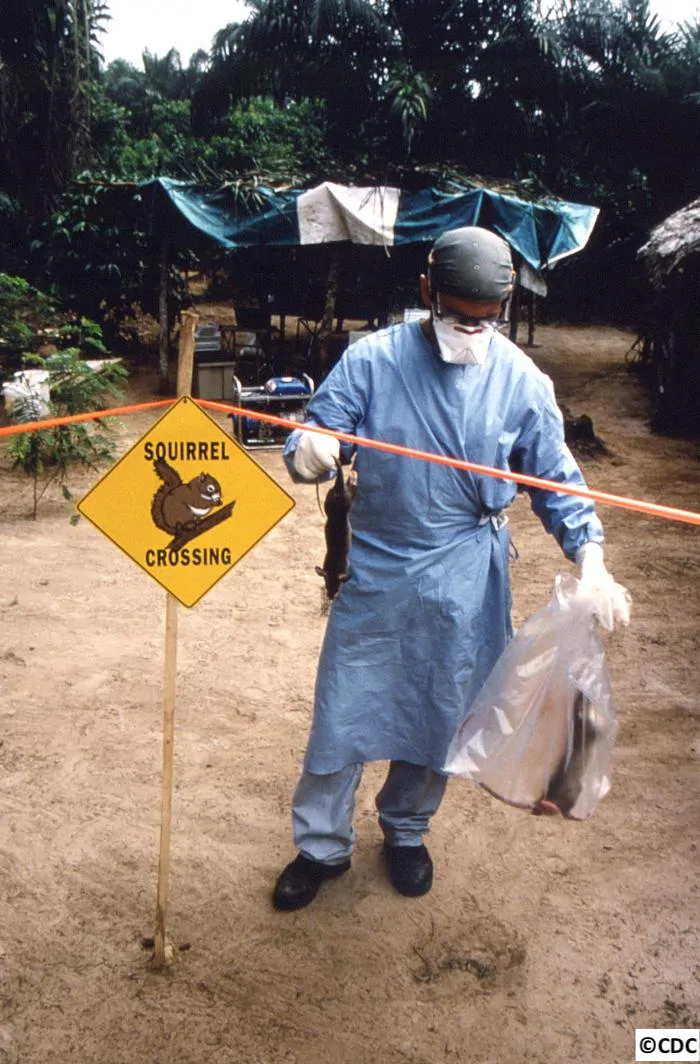 Nevertheless, to prevent viral spread and the emergence of new endemic areas, a “One Health” approach is essential in addressing this emerging zoonotic disease. Thus, the sampling study highlights the importance of taking measures to prevent potential transmission of the virus from humans to pets. Researchers recommend that patients with Mpox avoid direct contact with animals until lesions have completely healed.
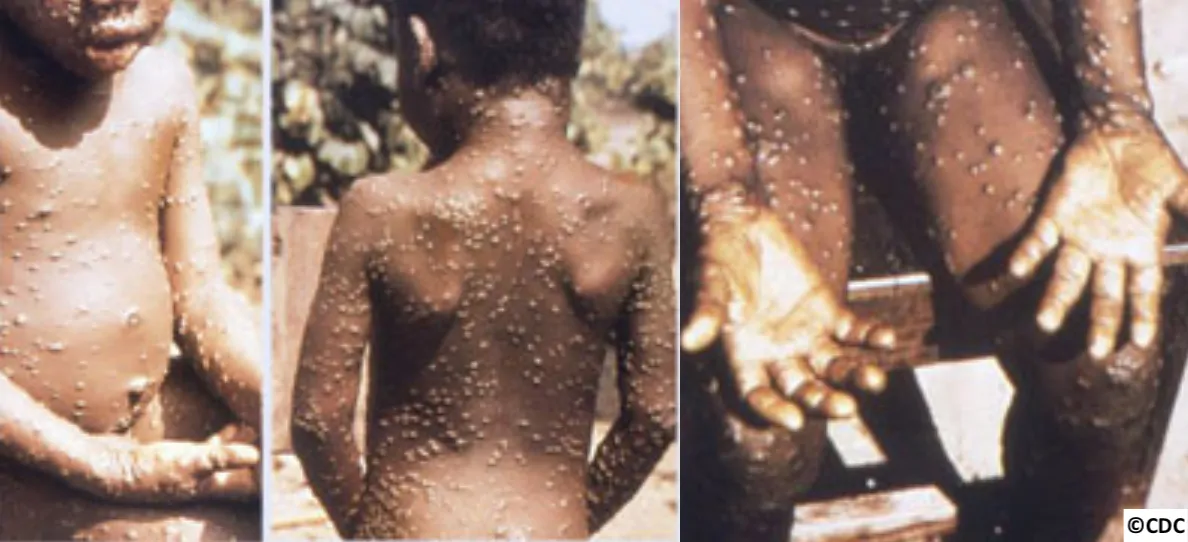
Animal Reservoirs of MPox
The primary reservoirs of the monkeypox virus (MPXV) are small rodents, particularly squirrels, which live in the tropical forests of Africa, mainly in West and Central Africa. Although the disease is called pox, non-human primates are not considered natural reservoirs of the virus. The infection has been detected in several animal species, but rodents are suspected to be the primary natural hosts due to their role in transmitting the virus to humans.How is Mpox transmitted to humans?
The Monkeypox virus (MPXV) can be transmitted in two ways: through zoonotic transmission and through human-to-human transmission.- Zoonotic transmission: This refers to the virus spreading from animals to humans. Mpox is a zoonosis whose animal vectors are primarily rodents. Direct contact with infected animals or their bodily fluids can lead to human infection. This can occur through bites, scratches, or handling meat from infected animals. Contact with materials contaminated by infected animals can also be a source of transmission.
- Human-to-human transmission: This occurs when an infected person passes the virus on to another person. It has become more common during recent outbreaks. The virus can be transmitted through direct physical contact with an infected person, particularly with skin lesions, body fluids, or contaminated materials such as bedding or clothing. Although less common, transmission can also occur through the respiratory route via droplets during prolonged face-to-face contact.
For more information, see our articles on pox (Mpox)
https://www.pasteur.fr/fr/centre-medical/fiches-maladies/mpox-variole-du-singe https://www.who.int/news-room/fact-sheets/detail/monkeypox https://www.efsa.europa.eu/fr/topics/mpox-monkeypoxRead next
Outbreaks & Epidemiology
10/07/2026
H5N1 should now be treated as a permanent systemic risk, not a succession of outbreaks
Outbreaks & Epidemiology
10/07/2026
African swine fever progresses faster in wild boar than in domestic pigs
Outbreaks & Epidemiology
10/05/2026
Commentaires
No comments yet.
Sign in to comment