

Back to articles
Horses: Equine Plague Runs Rampant in Thailand
MR
Mia Rozenbaum
04/23/2020
3 min read
0 comments
Share:
While Thailand is already battling the spread of the coronavirus, it is also facing another deadly viral outbreak among horses—African horse sickness. Some scientists suspect that zebras imported from Africa are the source of the outbreak.
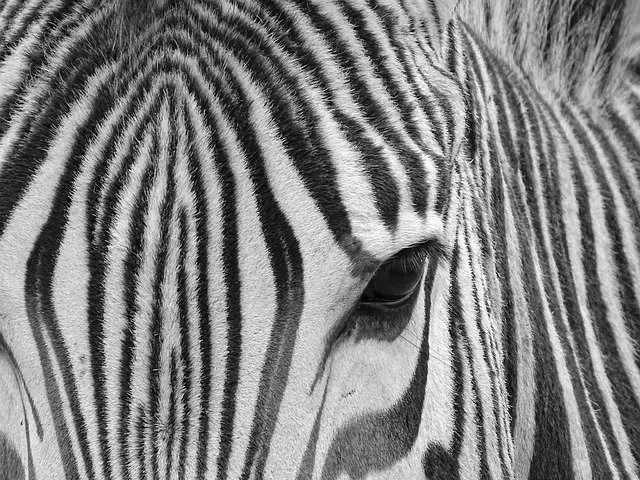 Responsible for several hundred equine deaths over the past three weeks in Thailand, the African horse sickness virus is causing concern among authorities. And for good reason. This is the first major outbreak of the disease outside of Africa in 30 years.
The virus spreads rapidly via Culicoides, small flying midges that typically live in tropical regions. The equine plague virus infects horses, donkeys, and zebras, causing severe heart and lung diseases that kill at least 70% of infected horses, but spares zebras and most donkeys, which serve as reservoirs for the virus.
Treatment options are primarily limited to palliative care, although euthanasia is sometimes recommended due to the severity of the disease, which causes high fevers, swollen eyes, difficulty breathing, foamy nostrils, internal bleeding, and sudden death.
The only commercially available vaccine against equine pest is based on an attenuated strain of the live virus. However, in some cases, it can cause mild symptoms or even spread to other horses. According to experts, it is not an ideal vaccine, but it has played a crucial role in eradicating previous epidemics. It is far from being as bad as the disease itself.
The sudden appearance of the disease, far from its endemic hotspot in sub-Saharan Africa, has taken Thai veterinary authorities by surprise; they are stepping up screening tests, ordering mass vaccination of horses, donkeys, and mules, and are isolating the animals under specialized individual mosquito nets designed to keep out black flies.
Apart from brief outbreaks in areas off the African coast, equine disease has been confined to Africa since 1990. The virus has not been reported in Asia since a major outbreak that ended in 1961. That outbreak spread from the Middle East to parts of India and caused hundreds of thousands of equine deaths.
Experts fear a similar spread to neighboring countries, but the nation is working with other countries to develop a regional response. A first shipment of approximately 4,000 doses of vaccine is expected to arrive this week, and all equine movement is now prohibited.
The World Organisation for Animal Health has also revoked Thailand’s status as an equine pest-free territory. Thailand must therefore halt all imports and exports of equine species, both wild and domestic. It will take at least two years for the country to reapply for this status.
Responsible for several hundred equine deaths over the past three weeks in Thailand, the African horse sickness virus is causing concern among authorities. And for good reason. This is the first major outbreak of the disease outside of Africa in 30 years.
The virus spreads rapidly via Culicoides, small flying midges that typically live in tropical regions. The equine plague virus infects horses, donkeys, and zebras, causing severe heart and lung diseases that kill at least 70% of infected horses, but spares zebras and most donkeys, which serve as reservoirs for the virus.
Treatment options are primarily limited to palliative care, although euthanasia is sometimes recommended due to the severity of the disease, which causes high fevers, swollen eyes, difficulty breathing, foamy nostrils, internal bleeding, and sudden death.
The only commercially available vaccine against equine pest is based on an attenuated strain of the live virus. However, in some cases, it can cause mild symptoms or even spread to other horses. According to experts, it is not an ideal vaccine, but it has played a crucial role in eradicating previous epidemics. It is far from being as bad as the disease itself.
The sudden appearance of the disease, far from its endemic hotspot in sub-Saharan Africa, has taken Thai veterinary authorities by surprise; they are stepping up screening tests, ordering mass vaccination of horses, donkeys, and mules, and are isolating the animals under specialized individual mosquito nets designed to keep out black flies.
Apart from brief outbreaks in areas off the African coast, equine disease has been confined to Africa since 1990. The virus has not been reported in Asia since a major outbreak that ended in 1961. That outbreak spread from the Middle East to parts of India and caused hundreds of thousands of equine deaths.
Experts fear a similar spread to neighboring countries, but the nation is working with other countries to develop a regional response. A first shipment of approximately 4,000 doses of vaccine is expected to arrive this week, and all equine movement is now prohibited.
The World Organisation for Animal Health has also revoked Thailand’s status as an equine pest-free territory. Thailand must therefore halt all imports and exports of equine species, both wild and domestic. It will take at least two years for the country to reapply for this status.
Read next
Outbreaks & Epidemiology
10/07/2026
H5N1 should now be treated as a permanent systemic risk, not a succession of outbreaks
Outbreaks & Epidemiology
10/07/2026
African swine fever progresses faster in wild boar than in domestic pigs
Outbreaks & Epidemiology
10/05/2026
Commentaires
No comments yet.
Sign in to comment