

Back to articles
Outbreaks & Epidemiology
Christel Marcillaud-Pitel
Epidemiological Surveillance
Epizootic
Equine Pathology Epidemiological Surveillance Network
Equine rhinopneumonitis
FEI
FFE
Herpesvirus
PCR
Respe
SHF
Vaccine
Equine rhinopneumonitis: The Reality of the Epizootic in France and Europe
MR
Mia Rozenbaum
03/17/2021
8 min read
0 comments
Share:
Herpesvirus type 1 is causing concern in the equestrian world. After an international show jumping competition held in Valencia, Spain, in late January, hundreds of horses returned to their home countries infected. Outbreaks of herpesvirus type 1 are on the rise in Europe, but is there cause for concern in France? We asked Christel Marcillaud-Pitel, a veterinarian and director of the Equine Pathology Epidemiological Surveillance Network (Respe).
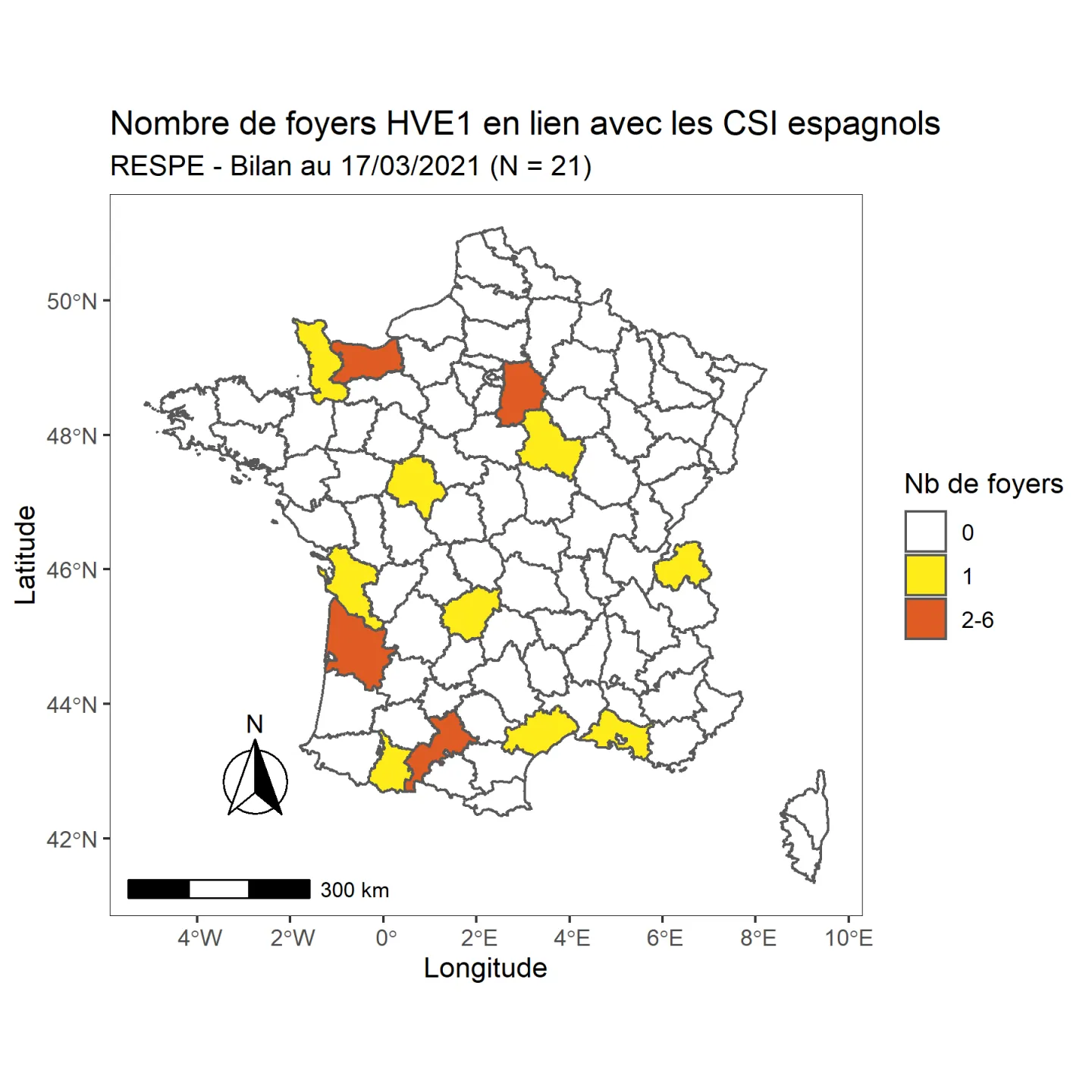
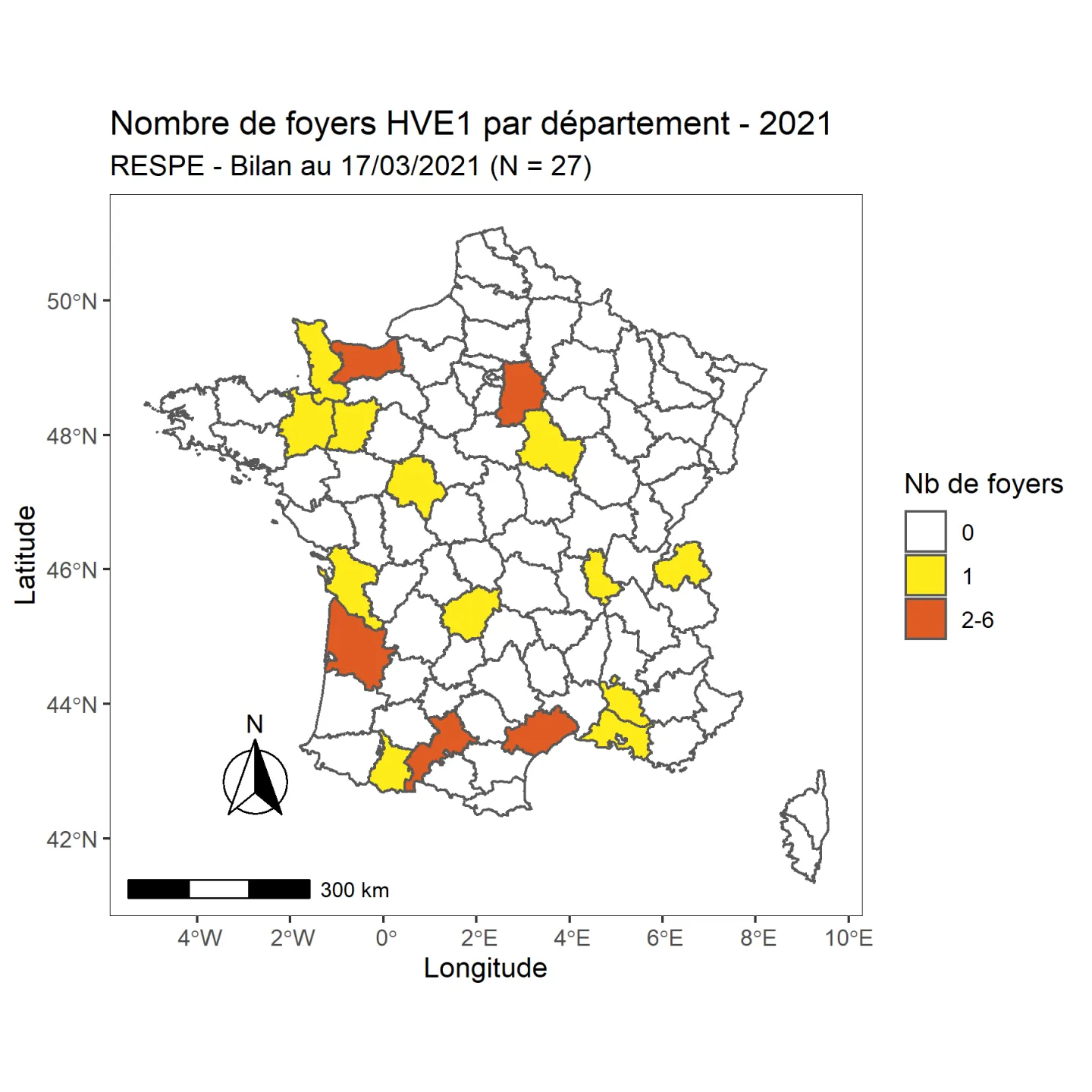
A new epidemic is making headlines. But this time, it’s the equine industry that’s affected. Equine rhinopneumonitis, a condition well known to equine veterinarians, has resurfaced in recent weeks. About ten horses have died in Spain, and several hundred cases have already been reported in Europe, according to the latest official figures. In France, several outbreaks have been identified in Calvados, Haute-Savoie, Hérault, Seine-et-Marne, and Nouvelle-Aquitaine. The original outbreak was traced to Valencia, Spain, where an international show jumping competition was held in late January 2021. Of the 750 to 800 horses present at the event, more than 80% are now showing clinical signs of the disease.
According to Christel Marcillaud Pitel, a veterinarian and director of RESPE, “Gatherings are, no matter what we do, risk factors for viral spread. But in Valence, there was a particularly high concentration of horses from diverse backgrounds gathered under very favorable conditions (in tents, with limited ventilation, and a lot of people coming and going). This close contact facilitated the spread of the equine herpesvirus in question. Health measures were not immediately implemented, and the highly contagious disease spread rapidly.”
What are the risks for horses?
Many horses returned home—to France as well as to other European countries—before isolation and quarantine measures were put in place. Numerous outbreaks then emerged in Spain, France, Switzerland, Germany, Belgium, and even Qatar. The International Equestrian Federation (FEI) is referring to an epizootic at the European level. “But in France, as of now, we cannot yet speak of an epizootic; several outbreaks have been detected, all linked to the competition in Valencia. Measures were quickly taken to contain them so that the country does not find itself in an epidemic situation,” emphasizes Christel Marcillaud-Pitel. For the time being, all FFE and SHF competitions nationwide have been canceled until the end of the month. The goal is to limit the movement and contact between horses that could worsen the situation. All horses returning from Valencia are under close surveillance. They have been isolated, are being monitored by veterinarians, and are tested regularly. “If the measures are strictly followed, there is no reason for them to infect other horses,” explains Christel Marcillaud-Pitel. So far, we have not had any ‘spillover’ cases—that is, infections originating from a herd of horses returning from Spain. For now, the risk to a horse that has not been in contact with another horse returning from Valencia is minimal, and we’re doing everything we can to ensure that remains the case. ” Only sport horses are affected; they are therefore the only ones subject to the health restrictions. “As long as cases remain limited to the horses present in Valencia, there is no need to implement other, stricter health protocols. If infections occur in other horses or in other disciplines, additional measures will, of course, be implemented. The goal is to avoid finding ourselves in the same situation as three years ago, during the previous crisis.”Understanding Equine Herpesvirus Better
In fact, this is by no means the first time that the equine rhinopneumonitis herpesvirus has appeared in France. Equine herpesviruses are very common—even endemic—in the region. They circulate quietly throughout Europe. About 70 to 80 percent of horses carry a dormant herpesvirus. “There are regular resurgences in the equine industry, regardless of the time of year, with perhaps slightly more cases in winter. In 2018, there was an epizootic outbreak in France that lasted nearly six months, with widespread circulation of the virus throughout the country, but mainly in the far west. Today, the situation isn’t as critical—at least not for the moment ,” explains Christel Marcillaud-Pitel. Equine rhinopneumonitis remains one of the most contagious diseases in horses and should therefore not be taken lightly. Although most cases are mild, the infection can sometimes have serious consequences. Fortunately, the virus responsible, HVE-1, is becoming better understood, and cases have been well documented over the past decade. However, there are several other forms of herpesvirus infection. Viruses of types 2 and 5 (HVE-2 and HVE-5) are primarily opportunistic and mainly cause mild respiratory illnesses. In contrast, types 1 and 4 (HEV-1 and HEV-4), which are currently circulating in Europe, are more virulent and cause severe respiratory or neurological disorders—or even abortions—in affected equines. It is the neurological form—which has received more media attention—that is currently of particular concern to the industry. It remains rare but can be fatal. “However, for the moment, there is no indication that the prevalence of the neurological form is higher than usual ,” reassures Christel Marcillaud-Pitel. Once infected, horses remain carriers for life, but that does not necessarily mean they continue to shed the virus and remain contagious. “Horses that competed in Valence will be able to participate in gatherings again once their quarantine period is over and their test results are negative again. However, it is possible that the disease could resurface at some point. Stress, in particular, can be a factor in the reactivation of the virus. This remains unpredictable, but we have to live with it and manage it as best we can .”Vigilance is key
For now, the first thing to monitor is the horses’ temperature. Even a horse with few clinical signs will exhibit a fever. The virus then multiplies in the body and is gradually shed during the period of 24 to 48 hours after the temperature rises. Toward the end of the illness, the viral load gradually decreases. In the neurological form, viral shedding is often very low, making the disease particularly difficult to identify. A PCR test on a nasopharyngeal swab can confirm the diagnosis. It detects the presence of the virus, but the horse must be shedding the virus at the time of sampling. If the test is performed on the very day the fever peaks, there is a high likelihood that the result will be negative, even if the horse is infected. Of course, if a horse exhibits all the clinical signs suggestive of equine rhinopneumonitis but the test is negative, do not hesitate to request another sample and repeat the test. When a case is confirmed or suspected in a stable, the first step is to isolate infected and suspected horses for twenty-one days.Implement preventive control measures
A vaccine against equine herpesviruses is available. While it is not completely effective, it does limit the severity of clinical signs. It provides protection against respiratory and abortive forms of the disease, significantly reducing symptoms and viral shedding—and thus the animals’ contagiousness. This protection is achieved through an initial vaccination followed by two injections one and six months later, then annual boosters. “Today, however, we recommend vaccinating every six months for optimal coverage, especially in equine populations that travel frequently, come into contact with many different horses, and are subject to significant stress ,” adds Christel Marcillaud-Pitel. The 2018 outbreak led to mandatory vaccination in the racing industry. But this is not the case in equestrian sports. “Yet all gatherings, without exception, are truly the highest-risk situations in terms of viral transmission and viral circulation.” In 2018, about 30% of horses were vaccinated. We hope this episode will help advance the debate in favor of more widespread vaccination. Good vaccination coverage—such as that currently in place against equine influenza—helps prevent this type of outbreak. While it doesn’t prevent a few isolated cases, it does limit the spread of the virus, thereby reducing the likelihood of having to deal with epidemic situations. ” According to Christel Marcillaud-Pitel, the first step should be to “introduce a mandatory vaccination requirement for participation in international competitions or other high-risk events. But nationwide vaccination would be an even better solution.” It is estimated that effective protection against a disease is only possible if more than 80% of the affected population is vaccinated. So the more horses that are vaccinated, the better. Unfortunately, we’re still far from that goal . ” Preventive health measures: https://respe.net/epidemie-de-equine rhinopneumonitis-les-mesures-sanitaires-de-prevention-15-03-2021/ Status as of March 15, 2021: https://respe.net/epidemie-de-rhinopneumonie-communique-de-presse-15-03-2021/Read next
Outbreaks & Epidemiology
10/07/2026
H5N1 should now be treated as a permanent systemic risk, not a succession of outbreaks
Outbreaks & Epidemiology
10/07/2026
African swine fever progresses faster in wild boar than in domestic pigs
Outbreaks & Epidemiology
10/05/2026
Commentaires
No comments yet.
Sign in to comment