

Back to articles
COVID-19: White-tailed deer, a potential new reservoir for SARS-CoV-2
BN
Bertrand Neveux
09/12/2023
4 min read
0 comments
Share:
Since the start of the COVID-19 pandemic, the white-tailed deer has drawn the attention of scientists, who view it as a major factor in the spread of the coronavirus worldwide. Studies published this summer confirm their role in the virus’s genetic mutations, while the spread of the virus to new populations of European deer is a cause for concern.
A study published on July 10 in *Nature* confirms that while Americans have transmitted the COVID-19 virus to wild deer hundreds of times, the same is true in the opposite direction. Humans have also contracted the SARS-CoV-2 coronavirus from deer and have even spread the acquired mutations on at least three occasions.
Scientists were thus able to trace the circulation of coronavirus variants within white-tailed deer populations. Through the analysis of 8,830 nasopharyngeal samples collected from this species, zoonotic transmissions from humans to deer, between deer, and from deer to humans were identified, out of a total of 944 positive samples. Several viral strains also appear to be continuing to mutate, notably the alpha, gamma, delta, and omicron variants responsible for numerous deaths among humans early in the pandemic—even as the omega variant has “suppressed” them. This means, therefore, that the new variants introduced into the deer population by humans continue to persist and evolve in these animals, even after their decline in the human population.
This is not good news, especially since it has been shown that three mutations followed a pattern of spread from humans to deer, and from deer back to humans once the virus had mutated. Beyond the three identified cases of transmission from deer to humans, these strains were discovered in lions at an American zoo, even though the three infected patients had no contact with deer or with the captive lions. This study further underscores scientists’ concern about how the coronavirus might infect wild animals as it circulates between humans and wildlife.
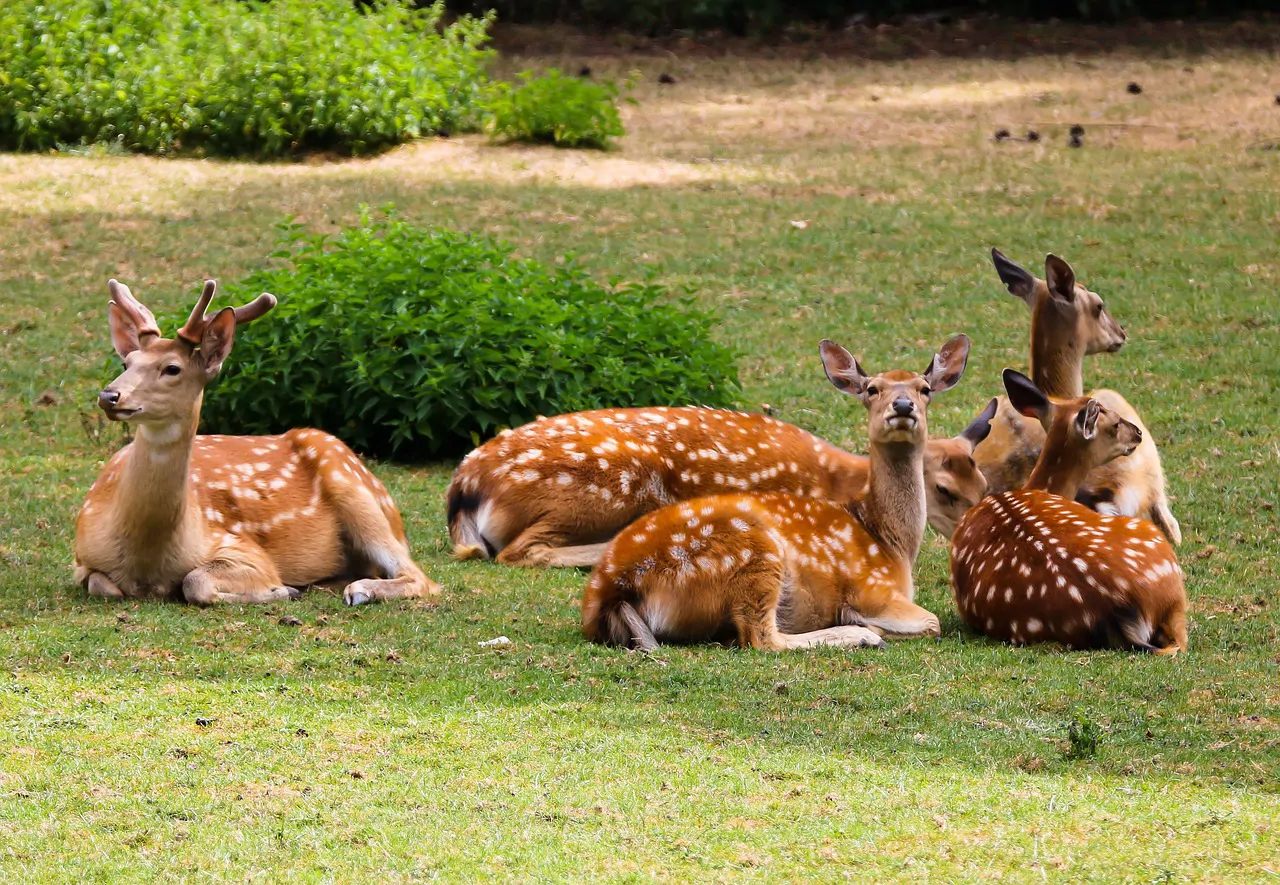
The COVID-19 coronavirus mutates three times faster in deer than in humans
According to a new study published in *Nature* on August 28, the virus mutates three times faster in deer. The study focused on white-tailed deer populations in Ohio. Scientists collected 1,522 nasal swabs from deer in 83 of the state’s 88 counties between November 2021 and March 2022. More than 10% of the samples tested positive for the SARS-CoV-2 virus. The scientists detected at least one positive case in more than half of the counties sampled. Genomics analysis revealed that at least 30 infections with the Delta variant in deer were of human origin, although it remains unclear how humans infected these wild animals. The frequency of transmission between humans and deer observed in Ohio—and more broadly across North America—is consistent with an increase in interspecies transmission of SARS-CoV-2, which is occurring much more frequently than anticipated. The new study also confirms the role of the white-tailed deer as a wild host involved in the spread of the virus, its mutations, and its potential transmission back to humans. This also means that the virus could affect other wild species and even livestock. The study also shows that approximately 23.5% of deer in Ohio were likely infected and that the virus spread within this animal population over eight months and across hundreds of kilometers. Genetic sequencing revealed 80 sequences representing clusters of new viral variants. Most of the sequenced viruses (88.8%) belonged to the Delta variant. This finding aligns with the conclusions of the July study: the Delta strain, which was predominant in deer and corresponded to the dominant variant circulating among humans at the time of the study, suggests that white-tailed deer are indeed a reservoir for SARS-CoV-2 and that they facilitate viral mutations and viral circulation.Coronavirus: First Herd of Seropositive European Fallow Deer in Ireland
Once again this summer, a study confirmed SARS-CoV-2 infection in a herd of fallow deer in a Dublin park, most likely resulting from frequent interactions with the 10 million annual visitors to Europe’s largest urban park, where the deer population numbers around 600. While the mode of transmission remains unclear, this finding does provide evidence that European deer are susceptible to coronavirus infection—a concerning development given the role played by white-tailed deer in the United States in the spread and mutation of the virus. The results of this study call for increased surveillance of viral circulation in wildlife, particularly in relation to interactions with humans, as they demonstrate the spread of variants of concern into new animal reservoirs.See our special report on COVID-19 and animal health
https://vetitude.fr/dossiers/covid/Read next
Outbreaks & Epidemiology
10/07/2026
H5N1 should now be treated as a permanent systemic risk, not a succession of outbreaks
Outbreaks & Epidemiology
10/07/2026
African swine fever progresses faster in wild boar than in domestic pigs
Outbreaks & Epidemiology
10/05/2026
Commentaires
No comments yet.
Sign in to comment