

Back to articles
Outbreaks & Epidemiology
Cattle
Chat
Coronavirus
COVID-19
Cytokines
Dog
Epidemic
Genomics
Pandemic
Pangolin
SARS-CoV-2
Zoonosis
COVID-19: What if the solution came from these animals that have crossed the species barrier?
BN
Bertrand Neveux
05/11/2020
2 min read
0 comments
Share:
A study proposes a new strategy for dealing with infection by the novel coronavirus (SARS-CoV-2). Why not compare how the immune systems of several animal species respond to the virus? The pangolin appears to be the model of choice.
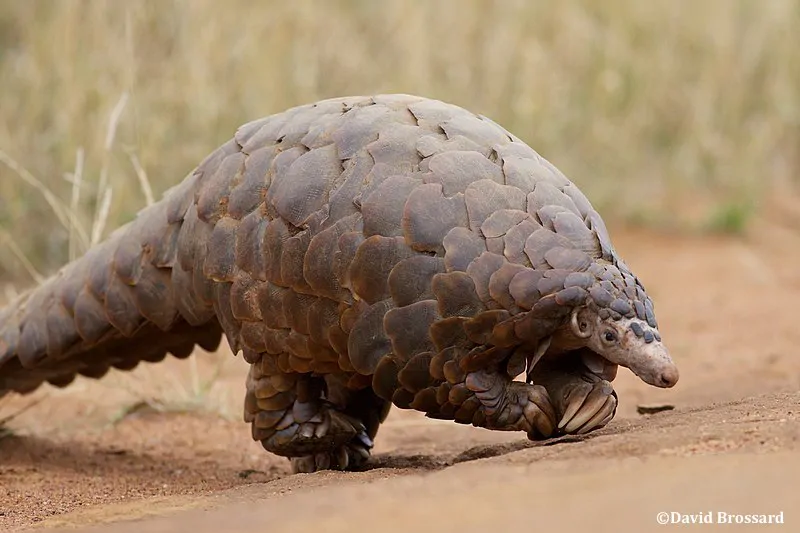 Scientists are seeking to understand how certain mammals develop an immune response to coronavirus infections, including SARS-CoV-2. To this end, they have launched extensive genomics research comparing the genomes of the pangolin with those of other mammals, such as humans, cats, dogs, and cattle. It appears that two virus-detection genes are missing in the pangolin, which was recently identified as a carrier and intermediate host of coronaviruses. These are two cytoplasmic RNA sensors, IFIH1 and MDA5, which trigger an innate immune response against coronavirus infections.
This is an important discovery because, while this animal carries the coronavirus responsible for severe acute respiratory syndrome (SARS-CoV-2), it is not affected by the disease (COVID-19) in any way, unlike other species, including humans.
The pangolin may therefore possess an alternative defense mechanism, likely acquired over the course of its evolution. After all, how could it have survived for millions of years without these two antiviral defense genes? It is important to understand the mechanisms that have emerged in this species, as this could lead to the development of new therapeutic strategies for humans, particularly in the context of the COVID-19 pandemic.
To date, the SARS-CoV-2 coronavirus triggers a severe cytokine-mediated immune response, which exacerbates the clinical picture. Pharmacological suppression of IFIH1/MDA5 signaling would therefore be beneficial for patients who exhibit excessive reactions to viral nucleic acids. However, reducing the human immune response is a double-edged sword, as it would weaken the potential response to the emergence of a new pathogen.
It is therefore urgent to understand how the pangolin has adapted and why the presence of these two signaling genes is linked to COVID-19 in humans and other mammals.
In addition, the study also highlights a third gene, RIG-I, which is involved in fighting the SARS-CoV-2 coronavirus and whose role also warrants further investigation.
Scientists are seeking to understand how certain mammals develop an immune response to coronavirus infections, including SARS-CoV-2. To this end, they have launched extensive genomics research comparing the genomes of the pangolin with those of other mammals, such as humans, cats, dogs, and cattle. It appears that two virus-detection genes are missing in the pangolin, which was recently identified as a carrier and intermediate host of coronaviruses. These are two cytoplasmic RNA sensors, IFIH1 and MDA5, which trigger an innate immune response against coronavirus infections.
This is an important discovery because, while this animal carries the coronavirus responsible for severe acute respiratory syndrome (SARS-CoV-2), it is not affected by the disease (COVID-19) in any way, unlike other species, including humans.
The pangolin may therefore possess an alternative defense mechanism, likely acquired over the course of its evolution. After all, how could it have survived for millions of years without these two antiviral defense genes? It is important to understand the mechanisms that have emerged in this species, as this could lead to the development of new therapeutic strategies for humans, particularly in the context of the COVID-19 pandemic.
To date, the SARS-CoV-2 coronavirus triggers a severe cytokine-mediated immune response, which exacerbates the clinical picture. Pharmacological suppression of IFIH1/MDA5 signaling would therefore be beneficial for patients who exhibit excessive reactions to viral nucleic acids. However, reducing the human immune response is a double-edged sword, as it would weaken the potential response to the emergence of a new pathogen.
It is therefore urgent to understand how the pangolin has adapted and why the presence of these two signaling genes is linked to COVID-19 in humans and other mammals.
In addition, the study also highlights a third gene, RIG-I, which is involved in fighting the SARS-CoV-2 coronavirus and whose role also warrants further investigation.
Read next
Outbreaks & Epidemiology
10/07/2026
H5N1 should now be treated as a permanent systemic risk, not a succession of outbreaks
Outbreaks & Epidemiology
10/07/2026
African swine fever progresses faster in wild boar than in domestic pigs
Outbreaks & Epidemiology
10/05/2026
Commentaires
No comments yet.
Sign in to comment