

Back to articles
Outbreaks & Epidemiology
Animal proteins
Atypical BSE
Bovine spongiform encephalopathy
BSE
Cattle
EFSA
Mad Cow Disease
WOAH
BSE Cases in Europe: Feed Is Likely the Cause of Infection in Cattle
V
Vetitude
07/20/2017
3 min read
0 comments
Share:
The prevalence of bovine spongiform encephalopathy (BSE) in the European Union is approximately 1,250 cases over ten years of surveillance, out of some 73 million cattle tested. Of these, 60 cattle with the classical form of the mad cow disease were born after the ban on animal meal in livestock feed, which took effect in 2001 following the “mad cow” disease crisis. However, while BSE has declined significantly over the past decade, the origin of these isolated cases remains to be determined. Consequently, the Commission has asked the European Food Safety Authority (EFSA) to provide a scientific opinion on the matter.
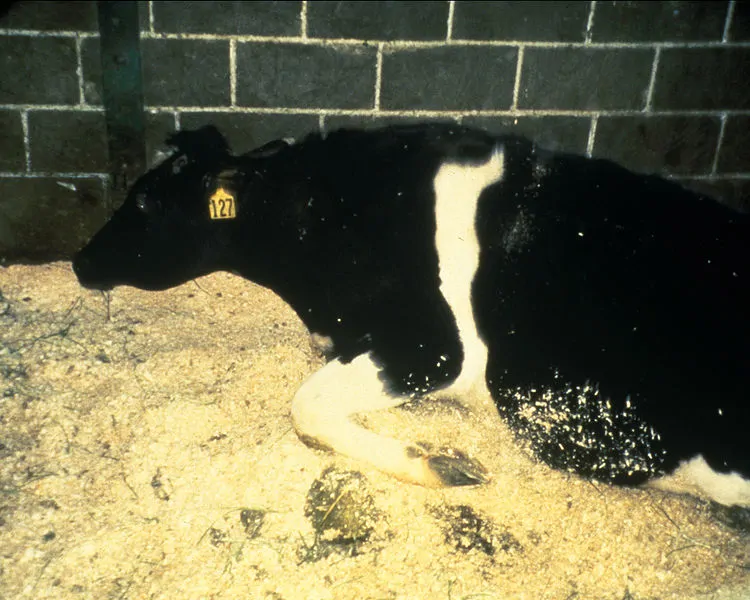 The ban on the use of animal proteins in Livestock feed, which took effect on January 1, 2001, remains the primary measure for combating BSE in EU member states. Although sporadic, cases of infection continue to occur in animals born after the entry into force of this measure. Between 2005 and 2015, approximately 60 cattle born after 2001 tested positive for the classic form of the disease—which can be transmitted to humans—and were excluded from the food chain. Brussels sought to identify the causes of these isolated cases and therefore turned to EFSA.
According to experts at the European Food Safety Authority, contaminated feed is the most likely source of infection, compared to other sources (maternal, environmental, genetic, iatrogenic). Indeed, since the prion in question remains pathogenic for many years, it is possible that cattle were fed contaminated feed either at the storage site or during handling. In addition, contaminated ingredients intended for animal feed may have been imported from third countries. However, other possible causes cannot be ruled out, given the disease’s incubation period; the investigation was hampered by a lack of detailed individual records.
Ultimately, EFSA issued several recommendations, including strengthening the existing surveillance and reporting system in Europe, as well as evaluating new scientific data as soon as it becomes available.
In the European Union, the number of cases of classical BSE in animals born after the ban on animal meal fell from 554 in 2005 to 2 in 2015. In addition, the European food safety system ensures that meat from animals testing positive for BSE is removed from the food chain. Each year, approximately 10 million cattle are subject to a BSE screening test in Europe.
In the United States, as part of targeted surveillance, a case of atypical BSE was reported to the World Organisation for Animal Health (WOAH) on July 18. This is the fourth atypical case identified in the U.S. in more than 20 years; the last one dates back to 2012.
The ban on the use of animal proteins in Livestock feed, which took effect on January 1, 2001, remains the primary measure for combating BSE in EU member states. Although sporadic, cases of infection continue to occur in animals born after the entry into force of this measure. Between 2005 and 2015, approximately 60 cattle born after 2001 tested positive for the classic form of the disease—which can be transmitted to humans—and were excluded from the food chain. Brussels sought to identify the causes of these isolated cases and therefore turned to EFSA.
According to experts at the European Food Safety Authority, contaminated feed is the most likely source of infection, compared to other sources (maternal, environmental, genetic, iatrogenic). Indeed, since the prion in question remains pathogenic for many years, it is possible that cattle were fed contaminated feed either at the storage site or during handling. In addition, contaminated ingredients intended for animal feed may have been imported from third countries. However, other possible causes cannot be ruled out, given the disease’s incubation period; the investigation was hampered by a lack of detailed individual records.
Ultimately, EFSA issued several recommendations, including strengthening the existing surveillance and reporting system in Europe, as well as evaluating new scientific data as soon as it becomes available.
In the European Union, the number of cases of classical BSE in animals born after the ban on animal meal fell from 554 in 2005 to 2 in 2015. In addition, the European food safety system ensures that meat from animals testing positive for BSE is removed from the food chain. Each year, approximately 10 million cattle are subject to a BSE screening test in Europe.
In the United States, as part of targeted surveillance, a case of atypical BSE was reported to the World Organisation for Animal Health (WOAH) on July 18. This is the fourth atypical case identified in the U.S. in more than 20 years; the last one dates back to 2012.
Read next
Outbreaks & Epidemiology
10/07/2026
H5N1 should now be treated as a permanent systemic risk, not a succession of outbreaks
Outbreaks & Epidemiology
10/07/2026
African swine fever progresses faster in wild boar than in domestic pigs
Outbreaks & Epidemiology
10/05/2026
Commentaires
No comments yet.
Sign in to comment