

Back to articles
Outbreaks & Epidemiology
Avian influenza
Biosecurity
Birds
H5N1
H5N5
H5N8
HPAI
IAFP
Influenza
Livestock Farming
Migration
Poultry
WOAH
Zoonosis
Avian Influenza: Why Quarantine Poultry?
MR
Mia Rozenbaum
12/02/2020
6 min read
0 comments
Share:
A highly infectious health hazard, H5N8 avian influenza has reached Europe and has been a cause for concern ever since. Responsible for significant mortality among domestic and wild birds, the avian influenza virus can lead to substantial economic losses but also poses a zoonotic risk. Although no human cases have been reported to date, other influenza viruses could jump to humans. It is therefore important to contain the spread of the disease as effectively as possible.
Influenza viruses are not new. The literature documents numerous outbreaks among farmed poultry over the centuries. But it was not until the 1997 pandemic caused by the highly pathogenic H5N1 strain that the general public fully grasped the extent of the danger. In recent years, the H5N1 virus has been widely discussed due to the pathogen’s virulence in birds, but especially because of its ability to spread to mammals and infect humans. Today, a new strain is making headlines: the H5N8 avian virus.
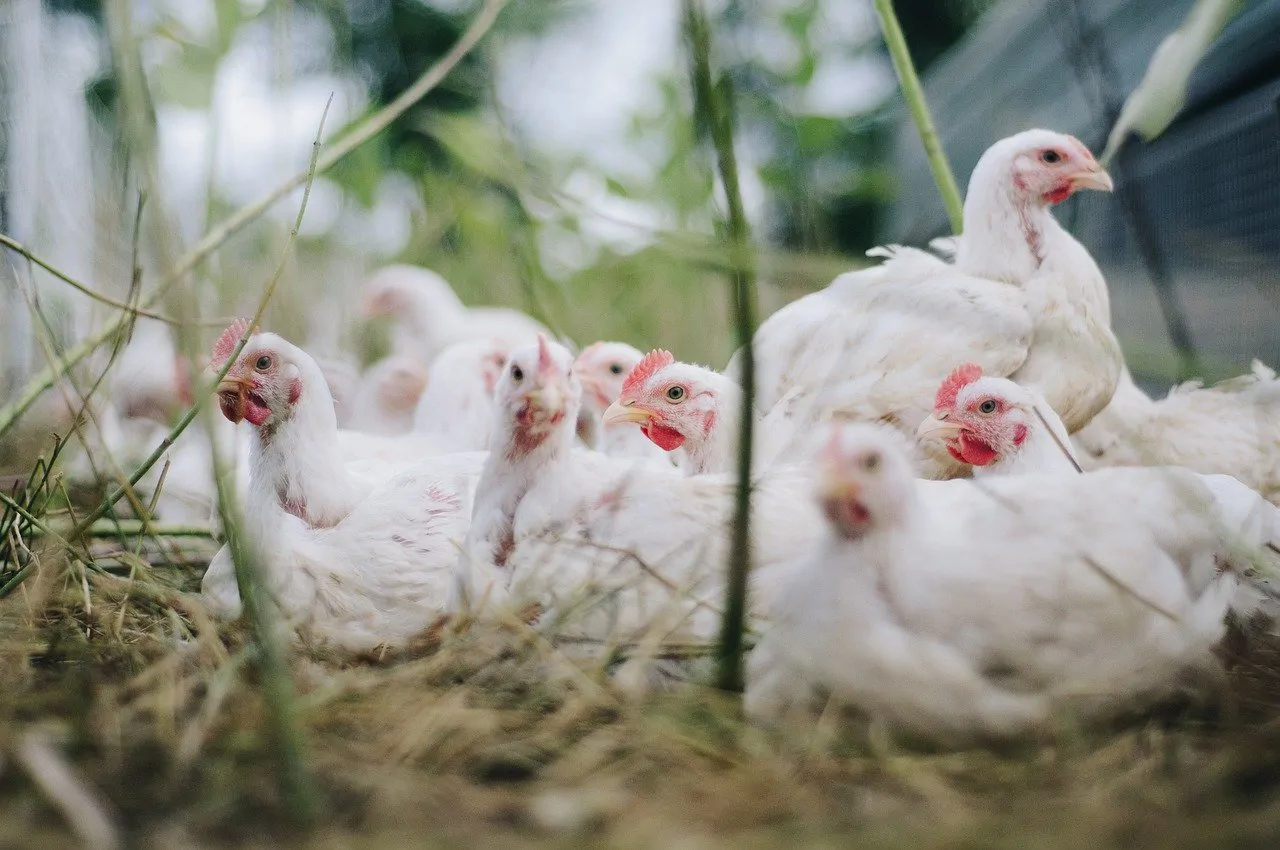
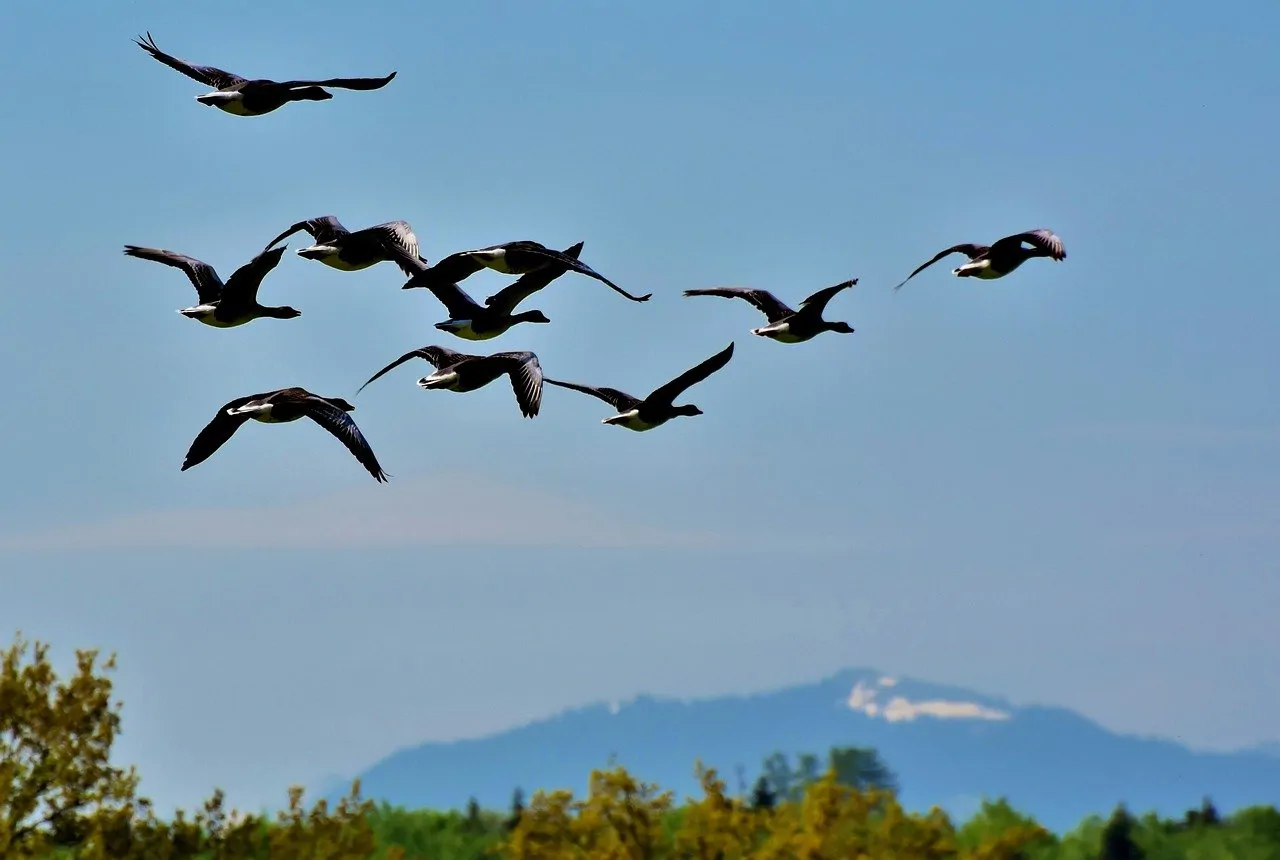 The peak of migratory arrivals in France often occurs in November for many species of waterfowl. However, these birds do not limit their movements to predictable seasonal routes; they are also highly mobile throughout their entire wintering period, moving easily between regions—and even between countries—depending on food availability and weather conditions. Authorities are therefore calling for increased vigilance until these birds begin their pre-breeding migration to the northeast in late winter and early spring.
While there is no effective treatment, early detection of new outbreaks or cases in the wild and the implementation of biosecurity measures are key to preventing the spread of contagious viral strains.
A vaccine does exist, but at present, vaccinating animals is technically challenging. The vaccine must be well-suited to the viruses present in the area in question, and the vaccination campaign must not promote low-level circulation of the wild-type virus among vaccinated birds. For European Union member states, vaccination is prohibited, and disease control relies on strengthening biosecurity.
In mid-November, France reported two outbreaks (in Haute-Corse and Yvelines) at pet shops. Following the confirmation of the first outbreak of highly pathogenic H5N8 avian influenza on French territory, the Minister of Agriculture and Food, Julien Denormandie, immediately implemented preventive measures and decided to place the entire metropolitan territory at a “high” risk level effective November 17, 2020.
As of that date, the following preventive measures are mandatory:
The peak of migratory arrivals in France often occurs in November for many species of waterfowl. However, these birds do not limit their movements to predictable seasonal routes; they are also highly mobile throughout their entire wintering period, moving easily between regions—and even between countries—depending on food availability and weather conditions. Authorities are therefore calling for increased vigilance until these birds begin their pre-breeding migration to the northeast in late winter and early spring.
While there is no effective treatment, early detection of new outbreaks or cases in the wild and the implementation of biosecurity measures are key to preventing the spread of contagious viral strains.
A vaccine does exist, but at present, vaccinating animals is technically challenging. The vaccine must be well-suited to the viruses present in the area in question, and the vaccination campaign must not promote low-level circulation of the wild-type virus among vaccinated birds. For European Union member states, vaccination is prohibited, and disease control relies on strengthening biosecurity.
In mid-November, France reported two outbreaks (in Haute-Corse and Yvelines) at pet shops. Following the confirmation of the first outbreak of highly pathogenic H5N8 avian influenza on French territory, the Minister of Agriculture and Food, Julien Denormandie, immediately implemented preventive measures and decided to place the entire metropolitan territory at a “high” risk level effective November 17, 2020.
As of that date, the following preventive measures are mandatory:
What is avian influenza?
Avian influenza is a highly contagious infectious disease that affects both domestic and wild birds and can, in its most severe form, result in high mortality rates. Caused by type A influenza viruses, the disease comprises several viral subtypes that are classified based on two proteins present on their viral envelope: hemagglutinins (sixteen subtypes numbered H1 through H16 in birds) and neuraminidases (nine subtypes numbered N1 through N9). From there, all combinations are possible. Indeed, it is the great plasticity of influenza viruses that makes them so difficult to combat. They are constantly evolving, either by exchanging genes or by acquiring mutations. These events may enable the viruses to infect new species. Some can thus infect mammals such as pigs, felines, and ferrets, and even, under certain conditions, be transmitted to humans. These genomics changes also allow the viruses to “circumvent” the immune defenses of the host—whether an animal or a human—or, in some cases, to become more virulent. Viruses are classified into two categories based on their virulence characteristics: low pathogenic avian influenza (LPAI) and highly pathogenic avian influenza (HPAI), with the latter all belonging to the H5 or H7 subtypes. While many factors can contribute to the spread of these viruses—such as globalization and international trade, livestock farming practices, and the movements of migratory birds— farmed poultry are primarily infected through direct or indirect contact with infected wild birds or, during an epizootic, within the flock itself. The animals then develop respiratory, digestive, or neurological symptoms of varying severity. Avian influenza is a disease listed in the Terrestrial Animal Health Code of the WOAH. As a result, the two particularly aggressive subtypes, H5 and H7, must be reported to the WOAH.H5N8, the New Strain Causing Concern in Europe
Avian influenza is a disease that is prevalent worldwide, although the prevalence of different viral strains varies by country. Since the 1950s, numerous outbreaks of varying severity have been reported, linked to highly pathogenic viruses, affecting poultry farms around the world. While the H5N1 virus garnered significant attention from 1997 through the 2010s—due to major outbreaks in Asia among domestic and wild birds—it was also of concern because of its zoonotic potential. In recent years, however, it is the H5N6, H5N5, and H5N8 viruses that have become widespread and a cause for concern, due to their high virulence and extensive spread, not only among poultry but also among wild birds. The 2016–2017 HPAI A (H5N8) outbreak was notably the most severe ever recorded in Europe in terms of the number of outbreaks in poultry, geographic scope, and the number of deaths among wild birds. It had significant economic consequences for the European Union, which is one of the world’s largest producers of poultry meat and a net exporter of poultry products, with an annual production of approximately 13.4 million metric tons. In Italy, for example, 83 outbreaks of H5N8 infection were identified, 2.7 million birds were culled, and the costs of eradicating the disease amounted to some 40 million euros. In France, foie gras production decreased by 30% during this period. This year, numerous outbreaks of highly pathogenic avian influenza H5N8 have been reported in Europe, both in wildlife and on poultry farms. Belgium and Sweden recently confirmed their first cases of HPAI on their territories, on November 13 and 16, 2020, respectively, bringing the total number of European countries affected since the epizootic began on October 20 to eight (the Netherlands, Germany, the United Kingdom, Denmark, Ireland, Belgium, France, and Sweden). The high rate of infection with highly pathogenic H5 viruses (H5N1, H5N5, and H5N8) among the avifauna in Western Europe continues, as does the spread of the disease. Given that the infection is occurring along an active southward migration corridor upstream of France, this situation has put authorities on high alert. The risk of these viruses being introduced into France is significant.- confinement of poultry or protection of poultry with netting, along with a reduction in outdoor access;
- a ban on gatherings of birds (contests, fairs, poultry shows);
- a ban on the transport and release of game birds;
- a ban on the use of decoys;
- daily monitoring of bird health on commercial farms;
- a ban on racing pigeon competitions;
- mandatory vaccination in zoos for birds that cannot be confined or protected by netting.
Read next
Outbreaks & Epidemiology
10/07/2026
H5N1 should now be treated as a permanent systemic risk, not a succession of outbreaks
Outbreaks & Epidemiology
10/07/2026
African swine fever progresses faster in wild boar than in domestic pigs
Outbreaks & Epidemiology
10/05/2026
Commentaires
No comments yet.
Sign in to comment