

Back to articles
Outbreaks & Epidemiology
Antiviral drugs
Avian influenza
Birds
Chicken
Ferret
H5N2
H7N9
HPAI
Influenza
Macaque
Mouse
Neuraminidase
Poultry
Tamiflu
Veterinary school
Virus
Avian Influenza: The H7N9 HP Virus Proves to Be Both Lethal and Transmissible in an Infected Animal Model
V
Vetitude
10/30/2017
5 min read
0 comments
Share:
In 2013, previously undetected H7N9 influenza viruses began circulating among poultry in China. Initially low pathogenic, these viruses subsequently evolved and caused several outbreaks in humans; by the end of 2016, the number of human cases of H7N9 avian influenza had risen significantly. By late July 2017, approximately 1,600 people had tested positive for the H7N9 virus, and nearly 40% of those infected had died. The emergence of H7N9 HPAI viruses poses a potential threat to public health, particularly if these viruses acquire enhanced human-to-human transmissibility.
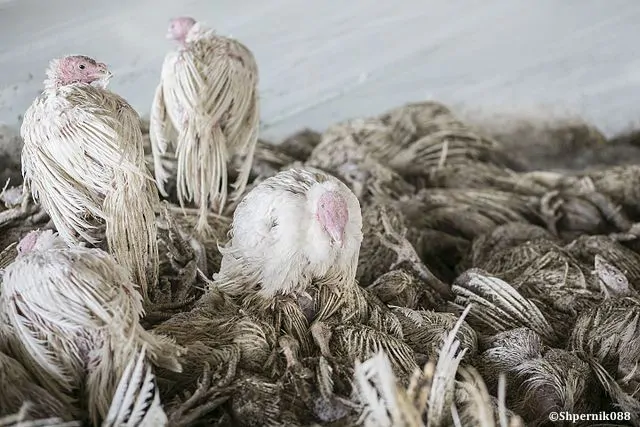 Earlier this year, Yoshihiro Kawaoka, a professor at the University of Wisconsin-Madison’s veterinary school, received an isolate of the H7N9 virus collected from a Chinese patient who had died of the flu. Together with his research team, he began studying it to characterize it and assess its pandemic potential. The initial results have just been published in *Cell Host & Microbe
*.
For the first time, this team has identified a strain of the influenza virus that is both transmissible among ferrets (the best animal model for human influenza infection) and lethal, both in animals infected in the laboratory and in healthy ferrets exposed in vivo. According to
Kawaoka, these are the first cases of transmission of a highly pathogenic avian virus between ferrets—one that is, moreover, fatal. This poses a potential threat to human health.
The influenza virus evolved over several years before becoming pathogenic in poultry. It was difficult to detect because, unlike other influenza viruses such as H5N2, avian influenza with H7N9 is not fatal. The virus remained dormant, spreading from chicken to chicken and, occasionally, infecting humans who came into contact with the birds.
Influenza viruses are well known for their ability to adapt. Each new infection of a host generates small changes in the genomes of influenza viruses. Sometimes, these mutations occur in key regions and lead to significant alterations in the original virus: it then becomes capable of infecting new hosts, making them sick, causing a more severe form of the disease, and resisting commonly used antiviral treatments.
Kawaoka and his team observed this phenomenon while analyzing the isolate from the deceased patient, who, during his lifetime, had been treated with the antiviral drug Tamiflu®. By
analyzing the genetic makeup of the virus population that had infected this patient, the team discovered that it had begun to mutate: the human isolate contained a subpopulation of H7N9 HPAI viruses sensitive to Tamiflu® and another subpopulation resistant to neuraminidase inhibitors.
The team therefore created two recombinant viruses, nearly identical to those isolated from the Chinese patient—one susceptible to Tamiflu® and the other carrying the mutation conferring resistance to the antiviral. By comparing them to a low pathogenic strain of the H7N9 virus, the researchers assessed how each virus replicated within human respiratory tract cells. They observed effective replication for each of them, although the resistant strain was less active than the other two. The replication and pathogenicity of the three virus types were then evaluated in several animal models (mice, ferrets, and macaques): each virus infected its host and caused disease to varying degrees.
To assess viral transmissibility between mammals via
respiratory secretions, the researchers specifically exposed experimentally infected ferrets to healthy ferrets. All three viral types were transmitted from the infected animals to their uninfected counterparts. Two of the three ferrets infected with the non-resistant strain of H7N9 (the one currently circulating in China) died, as did the animals to which they transmitted the infection, and this occurred without any prior adaptations. Given the increased pathogenicity of H7N9 HPAI viruses in mammals compared to low pathogenic viruses, close surveillance in the field is essential.
New mutations may not be necessary for it to become a potential threat to public health, although human-to-human transmission remains limited for the time being.
It has also been confirmed that the antiviral-resistant H7N9 strain does not respond to oseltamivir, the active ingredient in Tamiflu®. It does, however, respond to treatment with another drug, a protease inhibitor, but this drug is approved only in Japan and only for use in the event of an influenza pandemic.
The goal now is to understand what makes the resistant H7N9 virus different. Since there are several H7N9 viruses circulating, research efforts could then focus on those that are lethal and transmissible and have the potential to become pandemic.
The H7N9 virus will likely continue to mutate as it infects humans, leading to adaptations that enhance its pathogenicity and its ability for human-to-human transmission, with potentially serious consequences for public health
. However, detecting the virus in infected poultry is now somewhat easier, which helps limit human exposure. This is because the virus has also begun killing birds in China. But unlike in the United States or France, where farmers cull their flocks to limit the spread of infectious diseases, China relies on vaccines. This is a concerning option for Kawaoka, given the spread of the H7N9 virus.
Ultimately, the findings suggest that highly pathogenic H7N9 viruses have greater pandemic potential than H5N1 viruses and should be monitored more closely.
Earlier this year, Yoshihiro Kawaoka, a professor at the University of Wisconsin-Madison’s veterinary school, received an isolate of the H7N9 virus collected from a Chinese patient who had died of the flu. Together with his research team, he began studying it to characterize it and assess its pandemic potential. The initial results have just been published in *Cell Host & Microbe
*.
For the first time, this team has identified a strain of the influenza virus that is both transmissible among ferrets (the best animal model for human influenza infection) and lethal, both in animals infected in the laboratory and in healthy ferrets exposed in vivo. According to
Kawaoka, these are the first cases of transmission of a highly pathogenic avian virus between ferrets—one that is, moreover, fatal. This poses a potential threat to human health.
The influenza virus evolved over several years before becoming pathogenic in poultry. It was difficult to detect because, unlike other influenza viruses such as H5N2, avian influenza with H7N9 is not fatal. The virus remained dormant, spreading from chicken to chicken and, occasionally, infecting humans who came into contact with the birds.
Influenza viruses are well known for their ability to adapt. Each new infection of a host generates small changes in the genomes of influenza viruses. Sometimes, these mutations occur in key regions and lead to significant alterations in the original virus: it then becomes capable of infecting new hosts, making them sick, causing a more severe form of the disease, and resisting commonly used antiviral treatments.
Kawaoka and his team observed this phenomenon while analyzing the isolate from the deceased patient, who, during his lifetime, had been treated with the antiviral drug Tamiflu®. By
analyzing the genetic makeup of the virus population that had infected this patient, the team discovered that it had begun to mutate: the human isolate contained a subpopulation of H7N9 HPAI viruses sensitive to Tamiflu® and another subpopulation resistant to neuraminidase inhibitors.
The team therefore created two recombinant viruses, nearly identical to those isolated from the Chinese patient—one susceptible to Tamiflu® and the other carrying the mutation conferring resistance to the antiviral. By comparing them to a low pathogenic strain of the H7N9 virus, the researchers assessed how each virus replicated within human respiratory tract cells. They observed effective replication for each of them, although the resistant strain was less active than the other two. The replication and pathogenicity of the three virus types were then evaluated in several animal models (mice, ferrets, and macaques): each virus infected its host and caused disease to varying degrees.
To assess viral transmissibility between mammals via
respiratory secretions, the researchers specifically exposed experimentally infected ferrets to healthy ferrets. All three viral types were transmitted from the infected animals to their uninfected counterparts. Two of the three ferrets infected with the non-resistant strain of H7N9 (the one currently circulating in China) died, as did the animals to which they transmitted the infection, and this occurred without any prior adaptations. Given the increased pathogenicity of H7N9 HPAI viruses in mammals compared to low pathogenic viruses, close surveillance in the field is essential.
New mutations may not be necessary for it to become a potential threat to public health, although human-to-human transmission remains limited for the time being.
It has also been confirmed that the antiviral-resistant H7N9 strain does not respond to oseltamivir, the active ingredient in Tamiflu®. It does, however, respond to treatment with another drug, a protease inhibitor, but this drug is approved only in Japan and only for use in the event of an influenza pandemic.
The goal now is to understand what makes the resistant H7N9 virus different. Since there are several H7N9 viruses circulating, research efforts could then focus on those that are lethal and transmissible and have the potential to become pandemic.
The H7N9 virus will likely continue to mutate as it infects humans, leading to adaptations that enhance its pathogenicity and its ability for human-to-human transmission, with potentially serious consequences for public health
. However, detecting the virus in infected poultry is now somewhat easier, which helps limit human exposure. This is because the virus has also begun killing birds in China. But unlike in the United States or France, where farmers cull their flocks to limit the spread of infectious diseases, China relies on vaccines. This is a concerning option for Kawaoka, given the spread of the H7N9 virus.
Ultimately, the findings suggest that highly pathogenic H7N9 viruses have greater pandemic potential than H5N1 viruses and should be monitored more closely.
Read next
Outbreaks & Epidemiology
10/07/2026
H5N1 should now be treated as a permanent systemic risk, not a succession of outbreaks
Outbreaks & Epidemiology
10/07/2026
African swine fever progresses faster in wild boar than in domestic pigs
Outbreaks & Epidemiology
10/05/2026
Commentaires
No comments yet.
Sign in to comment