

Back to articles
Outbreaks & Epidemiology
ANSES
Avian influenza
Biosecurity
DDPP
Duck
H5N1
H5N2
H5N8
H5N9
Highly pathogenic avian influenza
HPAI
Poultry Farming
Slaughter
Waterfowl Farming
Avian Influenza: First Poultry Farm Affected by the H5N8 Virus in the Tarn Department
V
Vetitude
12/02/2016
4 min read
0 comments
Share:
An outbreak of highly pathogenic avian influenza (HPAI) has been detected at a domestic waterfowl farm in France. Following tests conducted earlier this week, The French Agency for Food, Environmental and Occupational Health & Safety (ANSES) has just confirmed the presence of the H5N8 subtype of the influenza virus in a flock of 5,140 ducks raised in the town of Almayrac, in the Tarn department. The affected farm, although located outside a high-risk area for the infection, had reported an abnormally high mortality rate: 2,000 ducks ready for force-feeding had died. Containment and culling measures are underway.
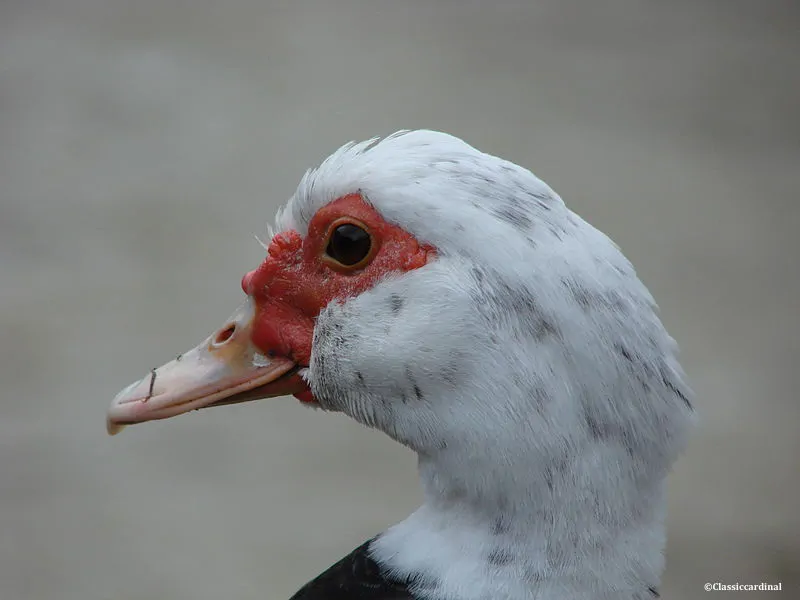 As soon as this first domestic outbreak was confirmed on French soil, the Tarn Departmental Directorate for the Protection of Populations implemented the management and control measures required by European regulations. Consequently, a 3-km protection zone and a 10-km surveillance zone have been established around the infected farm, as well as around farms with an epidemiological link to this outbreak. Within this perimeter, the movement of animals is prohibited, as is the release of game. In addition, all ducks on the infected farm will be culled, and a preventive cull will be carried out on neighboring poultry farms.
The discovery of this first outbreak at a commercial poultry farm will unfortunately jeopardize France’s regaining of its “HPAI-free” status with regard to avian influenza, scheduled for December 3. However, this status—which France lost just one year ago following the outbreak of highly pathogenic avian influenza (serotypes H5N1, H5N2, and H5N9) that affected farms in southwestern France during the winter of 2015, is essential for exporting French poultry to many countries outside Europe, such as South Korea, Japan, and Morocco.
Outbreaks of H5N8 HPAI are on the rise in Europe, both among wild bird populations and on poultry farms. Migratory species play a major role in the spread of the virus. France had already identified an initial outbreak on November 27 in the Pas-de-Calais region. However, since it involved wild ducks, this discovery had no commercial implications. On the other hand, the return of avian influenza to poultry farms will undoubtedly have repercussions on exports. Once again this year, exports of French poultry products, such as foie gras, are likely to be affected.
To prevent the spread of the disease, the Ministry of Agriculture is calling for increased vigilance on the part of veterinarians, poultry farmers, hunters, backyard poultry owners, and all bird keepers to strictly enforce the biosecurity measures set forth by decree* and to report any unusual bird deaths—whether wild or domestic—within the country.
Furthermore, based on an opinion from ANSES** signed yesterday, the wildlife risk management framework is being revised. Two ministerial orders and a decree*** were published today to clarify the provisions applicable in risk areas for wetlands, regarding the use of decoys for waterfowl hunting and the release of game birds.
* Order of February 8, 2016, concerning biosecurity measures applicable to poultry farms and other captive bird facilities as part of avian influenza prevention
** ANSES Opinion on the risk associated with proposed adjustments to hunting regulations as part of the risk assessment of avian influenza in wildlife, December 1, 2016***
Decree No. 2016-1634 of December 1, 2016, on the immediate entry into force of certain orders.
In view of the urgency, the Prime Minister decrees: “ The following
shall take effect immediately upon their publication in the Official Journal of the French Republic:
the order of December 1, 2016, amending the order of March 16, 2016, concerning epizootic risk levels due to theinfection of avifauna with a highly pathogenic avian influenza virus and the associated surveillance and prevention measures for poultry and other captive birds
—and the decree of December 1, 2016, amending the decree of November 16, 2016, defining the geographic areas in which the transport or use of decoys for waterfowl hunting is authorized pursuant to thethe Order of March 16, 2016, concerning epizootic risk levels due to infection of the avifauna with a highly pathogenic avian influenza virus and the surveillance and prevention measures for poultry and other captive birds.”
As soon as this first domestic outbreak was confirmed on French soil, the Tarn Departmental Directorate for the Protection of Populations implemented the management and control measures required by European regulations. Consequently, a 3-km protection zone and a 10-km surveillance zone have been established around the infected farm, as well as around farms with an epidemiological link to this outbreak. Within this perimeter, the movement of animals is prohibited, as is the release of game. In addition, all ducks on the infected farm will be culled, and a preventive cull will be carried out on neighboring poultry farms.
The discovery of this first outbreak at a commercial poultry farm will unfortunately jeopardize France’s regaining of its “HPAI-free” status with regard to avian influenza, scheduled for December 3. However, this status—which France lost just one year ago following the outbreak of highly pathogenic avian influenza (serotypes H5N1, H5N2, and H5N9) that affected farms in southwestern France during the winter of 2015, is essential for exporting French poultry to many countries outside Europe, such as South Korea, Japan, and Morocco.
Outbreaks of H5N8 HPAI are on the rise in Europe, both among wild bird populations and on poultry farms. Migratory species play a major role in the spread of the virus. France had already identified an initial outbreak on November 27 in the Pas-de-Calais region. However, since it involved wild ducks, this discovery had no commercial implications. On the other hand, the return of avian influenza to poultry farms will undoubtedly have repercussions on exports. Once again this year, exports of French poultry products, such as foie gras, are likely to be affected.
To prevent the spread of the disease, the Ministry of Agriculture is calling for increased vigilance on the part of veterinarians, poultry farmers, hunters, backyard poultry owners, and all bird keepers to strictly enforce the biosecurity measures set forth by decree* and to report any unusual bird deaths—whether wild or domestic—within the country.
Furthermore, based on an opinion from ANSES** signed yesterday, the wildlife risk management framework is being revised. Two ministerial orders and a decree*** were published today to clarify the provisions applicable in risk areas for wetlands, regarding the use of decoys for waterfowl hunting and the release of game birds.
* Order of February 8, 2016, concerning biosecurity measures applicable to poultry farms and other captive bird facilities as part of avian influenza prevention
** ANSES Opinion on the risk associated with proposed adjustments to hunting regulations as part of the risk assessment of avian influenza in wildlife, December 1, 2016***
Decree No. 2016-1634 of December 1, 2016, on the immediate entry into force of certain orders.
In view of the urgency, the Prime Minister decrees: “ The following
shall take effect immediately upon their publication in the Official Journal of the French Republic:
the order of December 1, 2016, amending the order of March 16, 2016, concerning epizootic risk levels due to theinfection of avifauna with a highly pathogenic avian influenza virus and the associated surveillance and prevention measures for poultry and other captive birds
—and the decree of December 1, 2016, amending the decree of November 16, 2016, defining the geographic areas in which the transport or use of decoys for waterfowl hunting is authorized pursuant to thethe Order of March 16, 2016, concerning epizootic risk levels due to infection of the avifauna with a highly pathogenic avian influenza virus and the surveillance and prevention measures for poultry and other captive birds.”
Read next
Outbreaks & Epidemiology
10/07/2026
H5N1 should now be treated as a permanent systemic risk, not a succession of outbreaks
Outbreaks & Epidemiology
10/07/2026
African swine fever progresses faster in wild boar than in domestic pigs
Outbreaks & Epidemiology
10/05/2026
Commentaires
No comments yet.
Sign in to comment