

Back to articles
Outbreaks & Epidemiology
African swine fever
ASF
Biosecurity
Pandemic
Pork
Prevention
Swine Fever
Tick
Vaccine
Wild Boar
100 Years of African Swine Fever: A Risk That Is More Present Than Ever
MR
Mia Rozenbaum
07/30/2020
6 min read
0 comments
Share:
While the COVID-19 pandemic rages around the world, another, far deadlier one remains in the shadows. African swine fever, which has existed for over 100 years, kills millions of pigs worldwide every year, and yet the hope for a vaccine is faint.
After emerging in Africa in the early 1900s, African swine fever spread throughout much of sub-Saharan Africa and to parts of Europe, South America, and the Caribbean. However, most of these outbreaks outside of Africa were contained in the 1990s
.
But that was before a more recent resurgence in Eastern Europe, Russia, and Asia, which is spreading rapidly across the globe.
Despite experts’ warnings
, in the fall of 2018, an epidemic broke out in China
, where pork is the primary source of protein. The consequences were devastating, and millions of pigs were culled to limit the spread of the viral infection. The following year was even worse, with nearly 1.1 million pigs culled in the country, according to the Food and Agriculture Organization of the United Nations.
Unofficially, however, the figures from China were likely around 200 million or more pigs slaughtered
. Last July, the Dutch bank Rabobank estimated that at least 40% of the country’s 360 million pigs may have been lost.
And by mid-2019, the disease had spread to countries such as Vietnam, Cambodia, South Africa, and Belgium. It is believed to have caused the deaths of more than 7 million pigs worldwide in 2019, and the figures for 2020 are already bleaker. The total number of reported outbreaks is already well above what was reported during the same period in 2019.
Experts warn that 2020 could be even worse than the previous year
, and the impact on the economy and the pork industry could be all the more significant, given that China raises and consumes about half of the world’s pigs
. For example, the 2018 outbreak in China caused retail pork prices to rise by 47%.
If the outbreak were to spread to the United States, it could cost the U.S. pork industry
more than $
8 billion per year
and $50 billion over 10 years
, according to the National Pork Board
. Although no cases have been reported in North America in recent years, the rapid spread of the disease calls for particular vigilance.
In fact, in 2020, the disease reached northern India
and Papua New Guinea for the first time and has since spread to Nigeria
. What can be done to limit the spread of the disease?
Although African swine fever has been circulating for over 100 years and kills nearly 100% of the animals it infects, there are still no treatments or vaccines against this contagious virus.
But this is not for lack of effort on the part of researchers. Scientists at the Pirbright Institute in England, for example, have succeeded in developing a new vaccine that immunizes 100% of pigs that received a lethal dose of the African swine fever virus, despite the fact that some clinical signs developed. The vaccine in question is a vector-based vaccine, meaning it uses a harmless virus to deliver eight strategically selected genes from the virus’s genome. Once inside the cell, the genes produce viral proteins that trigger the pig’s immune cells to defend against infection.
However, while some advances appear promising, it will be several more years before the vaccine is commercially available worldwide. These crucial years may prove to be one too many.
In the meantime, with no vaccine currently available, strict biosecurity measures, movement restrictions, and the culling of at-risk animals are the only control methods available to curb the spread of the disease.
During outbreaks, the fight against African swine fever in affected countries is difficult and must be tailored to the specific epidemiological situation. Standard sanitary measures are recommended. Often, many at-risk or sick animals are culled to prevent the spread of the disease. Early detection of the disease, thorough cleaning and disinfection, compartmentalization and movement controls, epidemiological screening and surveillance, as well as strict biosecurity measures on farms are essential.
In some countries, the transmission of African swine fever also depends on the wild boar population. A thorough understanding and effective management of the wild boar population, along with close coordination between veterinary services, wildlife authorities, and forestry agencies, are necessary to successfully prevent and control the disease.
To prevent the spread of the disease to countries free of it, strict import regulations and appropriate biosecurity measures ensure a minimum level of protection.
However, even with all these measures, experts fear that the disease may already be too widespread to be stopped and that it is only a matter of time before African swine fever is introduced into the United States and Europe.
And the COVID-19 pandemic comes at a very inopportune time. Global attention is turning toward and focusing on another pandemic, and many countries are diverting their attention away from African swine fever. Preventive action, though urgent, is being delayed. Where coordinated global action at all levels would be necessary, resources and attention are now directed elsewhere.
It is, however, becoming urgent to protect the swine sector and the people who depend on it by accelerating vaccine research, strengthening biosecurity and surveillance globally, and implementing policies for safe cross-border trade.
African swine fever Has Severe Consequences
African swine fever is a deadly, contagious viral disease that infects both wild and domestic pigs. First detected in the early 1900s in Africa, the disease has since spread to several countries around the world, particularly in Asia and Europe. Difficult to contain, African swine fever is transmitted by ticks as well as through direct or indirect contact. The virus can survive for days on surfaces such as vehicles, clothing, or equipment; for weeks in raw meat; and for months in frozen pork products . The disease is therefore highly contagious, spreads rapidly within herds, and a new outbreak can occur quickly. Unsurprisingly, the disease’s pandemic potential is as significant as its high contagiousness, especially since some infected animals do not always show clinical signs. Severe cases of the disease are characterized by high fever and death within 2 to 10 days on average, with a mortality rate that can reach 100%. Other clinical signs may include loss of appetite, lethargy, redness of the ears, abdomen, and legs, respiratory distress, vomiting, nosebleeds or rectal bleeding, and sometimes diarrhea. Abortion is often the first sign detected of an impending outbreak in a herd. It is therefore no surprise to see the devastating effects the disease can have on the pork industry. Whether in terms of herd health, production itself, or the economics of infrastructure, swine fever wreaks havoc. Some countries are even barred from exporting their animals or pork products. This is grim news indeed, given the disease’s recent spread around the world.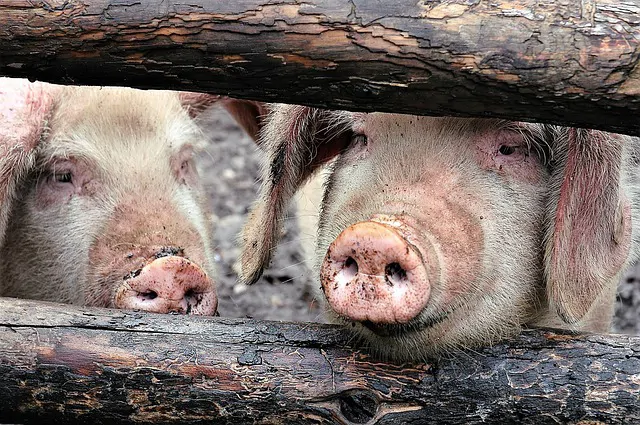 After more than 100 years, African swine fever continues to spread
After emerging in Africa in the early 1900s, African swine fever spread throughout much of sub-Saharan Africa and to parts of Europe, South America, and the Caribbean. However, most of these outbreaks outside of Africa were contained in the 1990s
.
But that was before a more recent resurgence in Eastern Europe, Russia, and Asia, which is spreading rapidly across the globe.
Despite experts’ warnings
, in the fall of 2018, an epidemic broke out in China
, where pork is the primary source of protein. The consequences were devastating, and millions of pigs were culled to limit the spread of the viral infection. The following year was even worse, with nearly 1.1 million pigs culled in the country, according to the Food and Agriculture Organization of the United Nations.
Unofficially, however, the figures from China were likely around 200 million or more pigs slaughtered
. Last July, the Dutch bank Rabobank estimated that at least 40% of the country’s 360 million pigs may have been lost.
And by mid-2019, the disease had spread to countries such as Vietnam, Cambodia, South Africa, and Belgium. It is believed to have caused the deaths of more than 7 million pigs worldwide in 2019, and the figures for 2020 are already bleaker. The total number of reported outbreaks is already well above what was reported during the same period in 2019.
Experts warn that 2020 could be even worse than the previous year
, and the impact on the economy and the pork industry could be all the more significant, given that China raises and consumes about half of the world’s pigs
. For example, the 2018 outbreak in China caused retail pork prices to rise by 47%.
If the outbreak were to spread to the United States, it could cost the U.S. pork industry
more than $
8 billion per year
and $50 billion over 10 years
, according to the National Pork Board
. Although no cases have been reported in North America in recent years, the rapid spread of the disease calls for particular vigilance.
In fact, in 2020, the disease reached northern India
and Papua New Guinea for the first time and has since spread to Nigeria
. What can be done to limit the spread of the disease?
 Without vaccines or treatments, prevention must be prioritized
Although African swine fever has been circulating for over 100 years and kills nearly 100% of the animals it infects, there are still no treatments or vaccines against this contagious virus.
But this is not for lack of effort on the part of researchers. Scientists at the Pirbright Institute in England, for example, have succeeded in developing a new vaccine that immunizes 100% of pigs that received a lethal dose of the African swine fever virus, despite the fact that some clinical signs developed. The vaccine in question is a vector-based vaccine, meaning it uses a harmless virus to deliver eight strategically selected genes from the virus’s genome. Once inside the cell, the genes produce viral proteins that trigger the pig’s immune cells to defend against infection.
However, while some advances appear promising, it will be several more years before the vaccine is commercially available worldwide. These crucial years may prove to be one too many.
In the meantime, with no vaccine currently available, strict biosecurity measures, movement restrictions, and the culling of at-risk animals are the only control methods available to curb the spread of the disease.
During outbreaks, the fight against African swine fever in affected countries is difficult and must be tailored to the specific epidemiological situation. Standard sanitary measures are recommended. Often, many at-risk or sick animals are culled to prevent the spread of the disease. Early detection of the disease, thorough cleaning and disinfection, compartmentalization and movement controls, epidemiological screening and surveillance, as well as strict biosecurity measures on farms are essential.
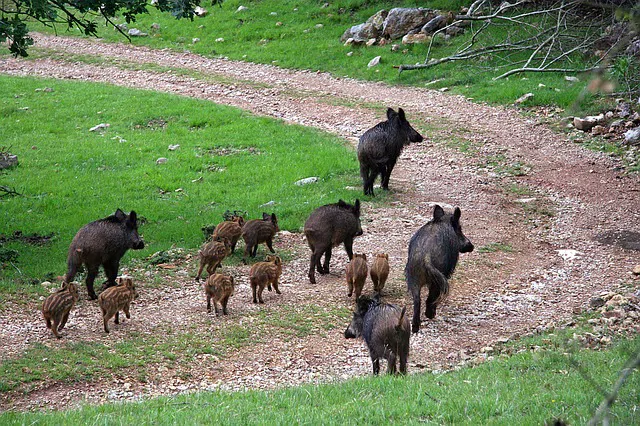
In some countries, the transmission of African swine fever also depends on the wild boar population. A thorough understanding and effective management of the wild boar population, along with close coordination between veterinary services, wildlife authorities, and forestry agencies, are necessary to successfully prevent and control the disease.
To prevent the spread of the disease to countries free of it, strict import regulations and appropriate biosecurity measures ensure a minimum level of protection.
However, even with all these measures, experts fear that the disease may already be too widespread to be stopped and that it is only a matter of time before African swine fever is introduced into the United States and Europe.
And the COVID-19 pandemic comes at a very inopportune time. Global attention is turning toward and focusing on another pandemic, and many countries are diverting their attention away from African swine fever. Preventive action, though urgent, is being delayed. Where coordinated global action at all levels would be necessary, resources and attention are now directed elsewhere.
It is, however, becoming urgent to protect the swine sector and the people who depend on it by accelerating vaccine research, strengthening biosecurity and surveillance globally, and implementing policies for safe cross-border trade.
Read next
Outbreaks & Epidemiology
10/07/2026
H5N1 should now be treated as a permanent systemic risk, not a succession of outbreaks
Outbreaks & Epidemiology
10/07/2026
African swine fever progresses faster in wild boar than in domestic pigs
Outbreaks & Epidemiology
10/05/2026
Commentaires
No comments yet.
Sign in to comment