

Back to articles
One Health & Zoonoses
Appaloosa
ASF
Avian influenza
Badgers
Biosecurity
Bluetongue
Brucellosis
COVID-19
Deer
Ebola
Emerging Diseases
Fox
Hepatitis E
Infectious Diseases
Japanese Encephalitis
One Health
Pathogenic
Rift Valley fever
Salmonellosis
Swine Fever
Tuberculosis
West Nile
Wild Boar
Zika
Zoonosis
Which zoonoses should we be monitoring in the coming years?
MR
Mia Rozenbaum
06/30/2020
8 min read
0 comments
Share:
In recent years, emerging diseases have increasingly made headlines. Avian influenza, Zika, Ebola, and now COVID-19—these diseases of animal origin pose particularly complex and difficult economic and social challenges. And while some diseases pose greater risks than others, the unknowns are just as dangerous. Veterinarians play a fundamental role in early detection and the implementation of international preventive strategies to avert the next global pandemic.
Infectious diseases are as old as humanity itself. The first sufficiently well-documented pandemic is undoubtedly the Black Death. Transmitted to humans by rodents, it killed approximately 30% of the European population—25 million people—between 1347 and 1352.
Even today, infectious diseases continue to ravage the world. Every year, 14 million people die from infectious diseases. And among the approximately 1,400 human pathogens responsible, 60% are of animal origin, according to the World Health Organization (WHO), and 75% of emerging animal diseases can infect humans.
 Broadly speaking, the concept of emergence or re-emergence
refers to the appearance or reappearance of an infectious phenomenon.
An emerging disease is an animal disease whose incidence—that is, the number of new cases—increases significantly in a given region, in a given population (animal or human), and over a given period, independent of the disease’s usual seasonal fluctuations.
The evolution or modification of an existing pathogen allows it to change hosts, vectors, pathogenicity, or strains. A disease is referred to as re-emerging when a known disease appears in a new geographic context, expands its host range, or experiences a sharp increase in prevalence.
To name just a few—AIDS, Ebola, Zika, avian influenza, bluetongue, African swine fever, West Nile fever… the examples are numerous
and are rampant throughout the world.
Emerging diseases undoubtedly pose major international economic, social
, financial, biological, and media challenges
. And although the interactions between human health and animal health are not a new phenomenon, the zoonoses we are currently facing have a scope, significance, and global impact unprecedented in human history.
The present era is marked by health crises of animal origin or with animal reservoirs, causing heavy economic losses or posing threats to public health. And France is not immune to this.
Broadly speaking, the concept of emergence or re-emergence
refers to the appearance or reappearance of an infectious phenomenon.
An emerging disease is an animal disease whose incidence—that is, the number of new cases—increases significantly in a given region, in a given population (animal or human), and over a given period, independent of the disease’s usual seasonal fluctuations.
The evolution or modification of an existing pathogen allows it to change hosts, vectors, pathogenicity, or strains. A disease is referred to as re-emerging when a known disease appears in a new geographic context, expands its host range, or experiences a sharp increase in prevalence.
To name just a few—AIDS, Ebola, Zika, avian influenza, bluetongue, African swine fever, West Nile fever… the examples are numerous
and are rampant throughout the world.
Emerging diseases undoubtedly pose major international economic, social
, financial, biological, and media challenges
. And although the interactions between human health and animal health are not a new phenomenon, the zoonoses we are currently facing have a scope, significance, and global impact unprecedented in human history.
The present era is marked by health crises of animal origin or with animal reservoirs, causing heavy economic losses or posing threats to public health. And France is not immune to this.
 The majority of emerging or re-emerging diseases observed in France in recent decades are zoonoses
. And they have at times been the cause of unprecedented health crises. It is therefore essential to keep a close eye on the diseases posing the greatest risk.
Hepatitis E has been particularly prevalent in recent years. Initially described as a disease with human-to-human transmission (genotypes 1 and 2), the discovery of two new genotypes (3 and 4) has changed the situation. Found primarily in pigs, these genotypes infect humans through food. In France, the zoonosis is most prevalent in the south, linked to the consumption of undercooked Corsican figatelles. The number of reported cases has risen dramatically since the first cases were identified in France
(9 cases in 2002 versus 2,245 in 2018).
However, measures for the prevention and management of animal diseases were implemented very quickly in France to limit the occurrence of these outbreaks and re-emergences—and with success. Nevertheless, the risk of re-emergence is never zero.
For example, by the end of World War II, strategies to combat brucellosis in ruminants
and Mycobacterium bovis tuberculosis
had, it seems, eradicated these pathogenic organisms from the country. But after years without any signs of the disease, infected ibex populations caused a re-emergence of brucellosis in humans at the beginning of the last decade. Similarly, in the early 2000s, bovine tuberculosis resurfaced through contact with infected wild boars, badgers, as well as deer and foxes.
These examples illustrate the transmission of a domestic bovine pathogen to wild populations, which then become reservoirs of the disease; this, in turn, limits the available options—particularly public health measures—for effectively eliminating the pathogen from circulation.
Despite the appearance that the disease has been contained, total control of a bacteria with formidable zoonotic potential is often illusory or, at the very least, temporary. The risk associated with the formation of a reservoir poses a real challenge in terms of maintaining France’s disease-free status and protecting public health.
The majority of emerging or re-emerging diseases observed in France in recent decades are zoonoses
. And they have at times been the cause of unprecedented health crises. It is therefore essential to keep a close eye on the diseases posing the greatest risk.
Hepatitis E has been particularly prevalent in recent years. Initially described as a disease with human-to-human transmission (genotypes 1 and 2), the discovery of two new genotypes (3 and 4) has changed the situation. Found primarily in pigs, these genotypes infect humans through food. In France, the zoonosis is most prevalent in the south, linked to the consumption of undercooked Corsican figatelles. The number of reported cases has risen dramatically since the first cases were identified in France
(9 cases in 2002 versus 2,245 in 2018).
However, measures for the prevention and management of animal diseases were implemented very quickly in France to limit the occurrence of these outbreaks and re-emergences—and with success. Nevertheless, the risk of re-emergence is never zero.
For example, by the end of World War II, strategies to combat brucellosis in ruminants
and Mycobacterium bovis tuberculosis
had, it seems, eradicated these pathogenic organisms from the country. But after years without any signs of the disease, infected ibex populations caused a re-emergence of brucellosis in humans at the beginning of the last decade. Similarly, in the early 2000s, bovine tuberculosis resurfaced through contact with infected wild boars, badgers, as well as deer and foxes.
These examples illustrate the transmission of a domestic bovine pathogen to wild populations, which then become reservoirs of the disease; this, in turn, limits the available options—particularly public health measures—for effectively eliminating the pathogen from circulation.
Despite the appearance that the disease has been contained, total control of a bacteria with formidable zoonotic potential is often illusory or, at the very least, temporary. The risk associated with the formation of a reservoir poses a real challenge in terms of maintaining France’s disease-free status and protecting public health.
 While France is not immune to the risk of emerging diseases, neither are the countries surrounding it
. Recent emerging diseases in Europe illustrate the continent’s vulnerability to such events—and thus, potentially, France’s as well
.
Particular attention is paid to the emergence of outbreaks of salmonellosis, Crimean-Congo hemorrhagic fever, Rift Valley fever, and Japanese encephalitis.
Outbreaks of salmonellosis
, caused by the emergence of multidrug-resistant strains, are regularly reported. This multidrug resistance was likely caused by the uncontrolled use of antibiotics. With the exception of an alert at a poultry farm—linked to the farmer’s return from a trip to Morocco—French poultry farms have so far been spared. Unfortunately, this is not the case in Poland or Italy, where indigenous cases are regularly detected on farms. France remains particularly vigilant regarding the risk of multidrug-resistant bacterial strains being introduced into the country, which could trigger an epidemic.
Crimean-Congo hemorrhagic fever
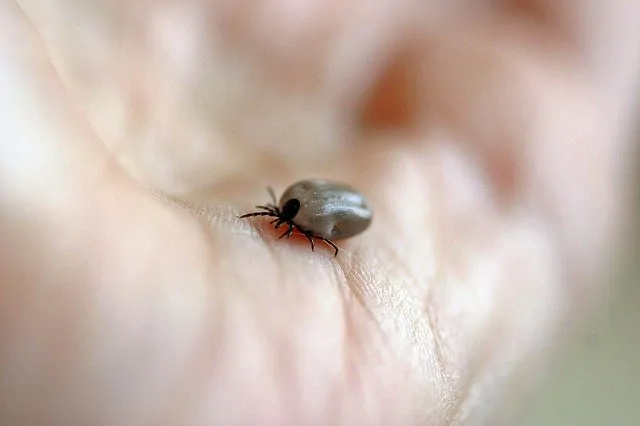
first appeared in the European Union in 2016. Infected ticks, carried by migratory birds from Africa, brought the virus to Spain, where it now circulates in wildlife. The primary vector for this zoonosis, the H. marginatum tick, is present in many European countries, including France. A broader spread within the country is therefore possible and must be monitored.
As for Rift Valley fever
, it requires special surveillance. Outbreaks are increasing outside the virus’s traditional range in Sudan and Egypt. France’s overseas territories have also been affected for the past decade. Between November 2018 and August 2019, Mayotte recorded 143 human cases and 126 animal outbreaks. The economic severity and impact on human health make this a disease that must be closely monitored,
especially since thirty species of potential vectors have been identified on the continent.
Another zoonosis to monitor: Japanese encephalitis
. Although not widely feared in Europe, it is nevertheless the arbovirus that causes the highest number of human cases each year
(between 30,000 and 50,000), with a case fatality rate that can reach 60%. The virus circulates among mosquitoes, birds, pigs, horses, and humans. While highly effective vaccines have helped protect human and equine populations in the most affected countries, their underutilization in risk areas could encourage the spread of the disease.
While France is not immune to the risk of emerging diseases, neither are the countries surrounding it
. Recent emerging diseases in Europe illustrate the continent’s vulnerability to such events—and thus, potentially, France’s as well
.
Particular attention is paid to the emergence of outbreaks of salmonellosis, Crimean-Congo hemorrhagic fever, Rift Valley fever, and Japanese encephalitis.
Outbreaks of salmonellosis
, caused by the emergence of multidrug-resistant strains, are regularly reported. This multidrug resistance was likely caused by the uncontrolled use of antibiotics. With the exception of an alert at a poultry farm—linked to the farmer’s return from a trip to Morocco—French poultry farms have so far been spared. Unfortunately, this is not the case in Poland or Italy, where indigenous cases are regularly detected on farms. France remains particularly vigilant regarding the risk of multidrug-resistant bacterial strains being introduced into the country, which could trigger an epidemic.
Crimean-Congo hemorrhagic fever
first appeared in the European Union in 2016. Infected ticks, carried by migratory birds from Africa, brought the virus to Spain, where it now circulates in wildlife. The primary vector for this zoonosis, the H. marginatum tick, is present in many European countries, including France. A broader spread within the country is therefore possible and must be monitored.
As for Rift Valley fever
, it requires special surveillance. Outbreaks are increasing outside the virus’s traditional range in Sudan and Egypt. France’s overseas territories have also been affected for the past decade. Between November 2018 and August 2019, Mayotte recorded 143 human cases and 126 animal outbreaks. The economic severity and impact on human health make this a disease that must be closely monitored,
especially since thirty species of potential vectors have been identified on the continent.
Another zoonosis to monitor: Japanese encephalitis
. Although not widely feared in Europe, it is nevertheless the arbovirus that causes the highest number of human cases each year
(between 30,000 and 50,000), with a case fatality rate that can reach 60%. The virus circulates among mosquitoes, birds, pigs, horses, and humans. While highly effective vaccines have helped protect human and equine populations in the most affected countries, their underutilization in risk areas could encourage the spread of the disease.
 This is all the more true given that the as-yet-unknown effects of factors such as globalization, industrialization, the restructuring of agricultural systems, and consumerism are likely to undermine the foundations and functioning of our animal health policies and influence our perception of the future and how we prepare for it.
The challenge of controlling animal diseases transmissible to humans, in a globalized context, therefore warrants an international solution. This involves using global networks to monitor animal and human health and issue early warnings in the event of an unusual occurrence, which requires sophisticated detection systems.
The International Health Regulations (IHR) require the 193 WHO Member States to report diseases defined as being of international concern. For health monitoring to function properly, there must be effective coordination of health policies at various levels (national, European, and global) and between agencies dedicated to animals and humans. The “One Health” concept is crucial here.
All stakeholders involved in animal health have a role to play, first and foremost in the prevention of animal diseases. Practising veterinarians, along with livestock producers, are on the front lines in monitoring the emergence of emerging animal diseases and in the early detection and control of these diseases as soon as they appear.
They are the first to observe unusual clinical signs, take the necessary measures in a timely manner, and alert the authorities before the disease spreads and an epidemic breaks out. Early detection and rapid diagnosis of emerging animal diseases are crucial for taking effective action and minimizing the damage caused by a potential epidemic.
Veterinarians are the guardians of biosecurity in an era marked by the emergence of new and re-emerging diseases that are disrupting our societies. And unfortunately, the issue of emerging diseases will always be relevant across all species. Vigilance is—and will remain—essential.
This is all the more true given that the as-yet-unknown effects of factors such as globalization, industrialization, the restructuring of agricultural systems, and consumerism are likely to undermine the foundations and functioning of our animal health policies and influence our perception of the future and how we prepare for it.
The challenge of controlling animal diseases transmissible to humans, in a globalized context, therefore warrants an international solution. This involves using global networks to monitor animal and human health and issue early warnings in the event of an unusual occurrence, which requires sophisticated detection systems.
The International Health Regulations (IHR) require the 193 WHO Member States to report diseases defined as being of international concern. For health monitoring to function properly, there must be effective coordination of health policies at various levels (national, European, and global) and between agencies dedicated to animals and humans. The “One Health” concept is crucial here.
All stakeholders involved in animal health have a role to play, first and foremost in the prevention of animal diseases. Practising veterinarians, along with livestock producers, are on the front lines in monitoring the emergence of emerging animal diseases and in the early detection and control of these diseases as soon as they appear.
They are the first to observe unusual clinical signs, take the necessary measures in a timely manner, and alert the authorities before the disease spreads and an epidemic breaks out. Early detection and rapid diagnosis of emerging animal diseases are crucial for taking effective action and minimizing the damage caused by a potential epidemic.
Veterinarians are the guardians of biosecurity in an era marked by the emergence of new and re-emerging diseases that are disrupting our societies. And unfortunately, the issue of emerging diseases will always be relevant across all species. Vigilance is—and will remain—essential.
Emerging diseases are more relevant than ever
Re-emerging and Emerging Diseases in France
Which emerging diseases should be monitored?
The Role of Veterinarians in Controlling Emerging Diseases
These emerging diseases are, of course, by no means the only threats to human and animal populations. In addition to the many known diseases that require surveillance, unknown diseases emerge and are identified every year. And the rise of emerging diseases, observed for several decades now, seems set to continue. The increase in the movement of people, animals, and goods, as well as the warming, will only contribute to the emergence of zoonotic diseases in the years to come.Read next
One Health & Zoonoses
10/10/2026
More than half of New York City’s free-roaming cats carry intestinal parasites?
One Health & Zoonoses
10/09/2026
Giardia in cats: large North American study finds 6.3% prevalence and substantial zoonotic potential
One Health & Zoonoses
10/08/2026
Commentaires
No comments yet.
Sign in to comment