

Back to articles
One Health & Zoonoses
Bats
Cedar
COVID-19
Flying Fox
Hendra
Horse
Lyssavirus
Paramyxovirus
Rhabdovirus
SARS-CoV-2
Tioman
Zoonosis
Surveillance of zoonoses in flying foxes
MR
Mia Rozenbaum
05/14/2020
2 min read
0 comments
Share:
If the current COVID-19 pandemic has taught us one thing, it is that monitoring zoonotic diseases in potential vectors and hosts is crucial for anticipating this kind of event.
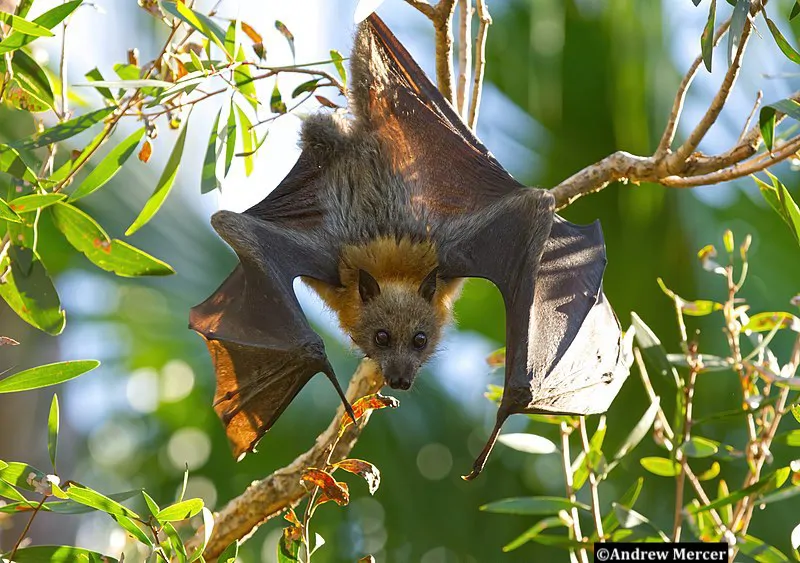 Scientists at the University of Adelaide have therefore sought to monitor local bat populations, specifically gray-headed flying foxes that settled in South Australia in 2010 and may carry paramyxoviruses
(Hendra, Cedar, and Tioman) and rhabdoviruses
(Australian bat lyssavirus).
The Hendra virus is transmitted to horses
and then to humans via airborne droplets, causing acute respiratory illness and death, whereas humans and other animals must be bitten or scratched by a carrier to contract the lyssavirus, which causes serious illnesses in humans, including paralysis, delirium, convulsions, and death.
The scientists detail three years of research
and discovered antibodies against the Hendra, Cedar
, and Tioman viruses in the flying fox population
, indicating that they had been exposed to these viruses at some point in their lives. However, there were no signs of exposure to the lyssavirus. That’s good news!
Although endangered, gray-headed flying foxes play a vital role in ecosystems, contributing to large-scale pollination and seed dispersal. As carriers of diseases—often without showing symptoms—it is important to assess the risks they pose to human health.
Scientists at the University of Adelaide have therefore sought to monitor local bat populations, specifically gray-headed flying foxes that settled in South Australia in 2010 and may carry paramyxoviruses
(Hendra, Cedar, and Tioman) and rhabdoviruses
(Australian bat lyssavirus).
The Hendra virus is transmitted to horses
and then to humans via airborne droplets, causing acute respiratory illness and death, whereas humans and other animals must be bitten or scratched by a carrier to contract the lyssavirus, which causes serious illnesses in humans, including paralysis, delirium, convulsions, and death.
The scientists detail three years of research
and discovered antibodies against the Hendra, Cedar
, and Tioman viruses in the flying fox population
, indicating that they had been exposed to these viruses at some point in their lives. However, there were no signs of exposure to the lyssavirus. That’s good news!
Although endangered, gray-headed flying foxes play a vital role in ecosystems, contributing to large-scale pollination and seed dispersal. As carriers of diseases—often without showing symptoms—it is important to assess the risks they pose to human health.
Read next
One Health & Zoonoses
10/10/2026
More than half of New York City’s free-roaming cats carry intestinal parasites?
One Health & Zoonoses
10/09/2026
Giardia in cats: large North American study finds 6.3% prevalence and substantial zoonotic potential
One Health & Zoonoses
10/08/2026
Commentaires
No comments yet.
Sign in to comment