

Back to articles
OneHealth: When a Swine Coronavirus Infects Chickens and Turkeys
MR
Mia Rozenbaum
04/28/2020
3 min read
0 comments
Share:
A swine coronavirus can easily spread to chickens and turkeys, which then develop the disease. Is this a potential threat to humans?
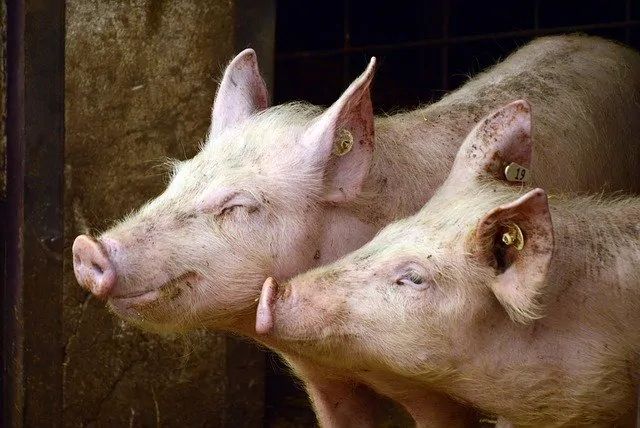 The porcine deltacoronavirus in question was first identified in pigs in Asia in 2009 and caused an outbreak of porcine diarrhea in the United States (Ohio) in 2014. Deltacoronaviruses have historically been found in birds, leading scientists to suspect that this porcine virus has an avian origin and the potential to reinfect birds.
After discovering that the porcine deltacoronavirus could infect cells from several species in the laboratory—including chickens and humans—researchers at Ohio State University took a closer look at its cross-species transmission.
They infected chickens and turkeys with the pig virus. Two days after infection, the birds developed diarrhea, which spread to other healthy birds that had come into contact with the infected animals. Based on the duration and severity of the symptoms, the study showed that turkeys are more susceptible to the virus than chickens.
Other signs of disease in the birds included distended intestines containing gas and yellow fluid, high levels of viral RNA in swabs from their trachea and digestive tract, and increased antibody levels in birds that were directly infected and some that were secondarily infected. Chickens and turkeys were still shedding the virus at 14 days, when the study ended. The duration of infection therefore remains undetermined.
Despite the presence of viral RNA in the trachea, the birds showed no signs of respiratory symptoms, which would make the virus more dangerous than if it caused only enteric (intestinal) symptoms. And while the virus can cause death in piglets, this was not the case in birds.
Understanding the pathophysiological differences between species could help identify therapeutic targets that protect one species but not another.
However, the rapid spread surprised and concerned scientists, who had not anticipated that the virus could then spread independently among birds.
It is impossible to test the same hypothesis in humans, but if the human cell culture model is as predictive as it is in chickens, humans are certainly also susceptible to this porcine deltacoronavirus. Indeed, the virus binds to the same type of receptor in many different host species.
Although there are no screening tests in place to detect this swine virus in humans, it is possible that humans have already been exposed and infected—and may even have experienced symptoms. In fact, symptoms of gastroenteritis or food poisoning could actually be caused by this virus.
Stay tuned for updates.
The porcine deltacoronavirus in question was first identified in pigs in Asia in 2009 and caused an outbreak of porcine diarrhea in the United States (Ohio) in 2014. Deltacoronaviruses have historically been found in birds, leading scientists to suspect that this porcine virus has an avian origin and the potential to reinfect birds.
After discovering that the porcine deltacoronavirus could infect cells from several species in the laboratory—including chickens and humans—researchers at Ohio State University took a closer look at its cross-species transmission.
They infected chickens and turkeys with the pig virus. Two days after infection, the birds developed diarrhea, which spread to other healthy birds that had come into contact with the infected animals. Based on the duration and severity of the symptoms, the study showed that turkeys are more susceptible to the virus than chickens.
Other signs of disease in the birds included distended intestines containing gas and yellow fluid, high levels of viral RNA in swabs from their trachea and digestive tract, and increased antibody levels in birds that were directly infected and some that were secondarily infected. Chickens and turkeys were still shedding the virus at 14 days, when the study ended. The duration of infection therefore remains undetermined.
Despite the presence of viral RNA in the trachea, the birds showed no signs of respiratory symptoms, which would make the virus more dangerous than if it caused only enteric (intestinal) symptoms. And while the virus can cause death in piglets, this was not the case in birds.
Understanding the pathophysiological differences between species could help identify therapeutic targets that protect one species but not another.
However, the rapid spread surprised and concerned scientists, who had not anticipated that the virus could then spread independently among birds.
It is impossible to test the same hypothesis in humans, but if the human cell culture model is as predictive as it is in chickens, humans are certainly also susceptible to this porcine deltacoronavirus. Indeed, the virus binds to the same type of receptor in many different host species.
Although there are no screening tests in place to detect this swine virus in humans, it is possible that humans have already been exposed and infected—and may even have experienced symptoms. In fact, symptoms of gastroenteritis or food poisoning could actually be caused by this virus.
Stay tuned for updates.
Read next
One Health & Zoonoses
10/10/2026
More than half of New York City’s free-roaming cats carry intestinal parasites?
One Health & Zoonoses
10/09/2026
Giardia in cats: large North American study finds 6.3% prevalence and substantial zoonotic potential
One Health & Zoonoses
10/08/2026
Commentaires
No comments yet.
Sign in to comment