

Back to articles
MERS-CoV: The Forgotten Zoonotic Coronavirus That’s Still a Concern Today
MR
Mia Rozenbaum
11/05/2020
5 min read
0 comments
Share:
Right now, all eyes are on the SARS-CoV-2 coronavirus, which is causing one of the most alarming pandemics of this century. But it is far from being the only coronavirus that infects humans.

The Coronavirus Family
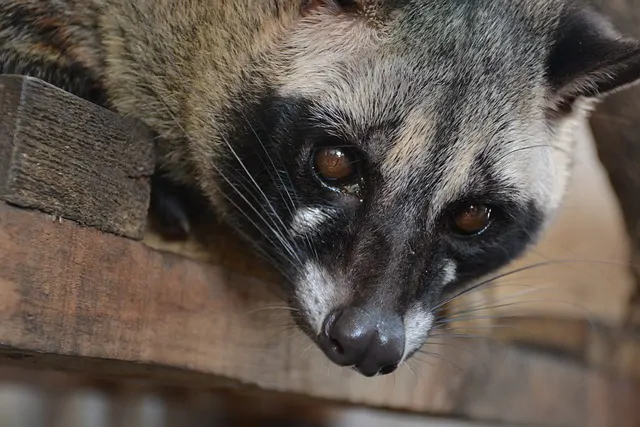
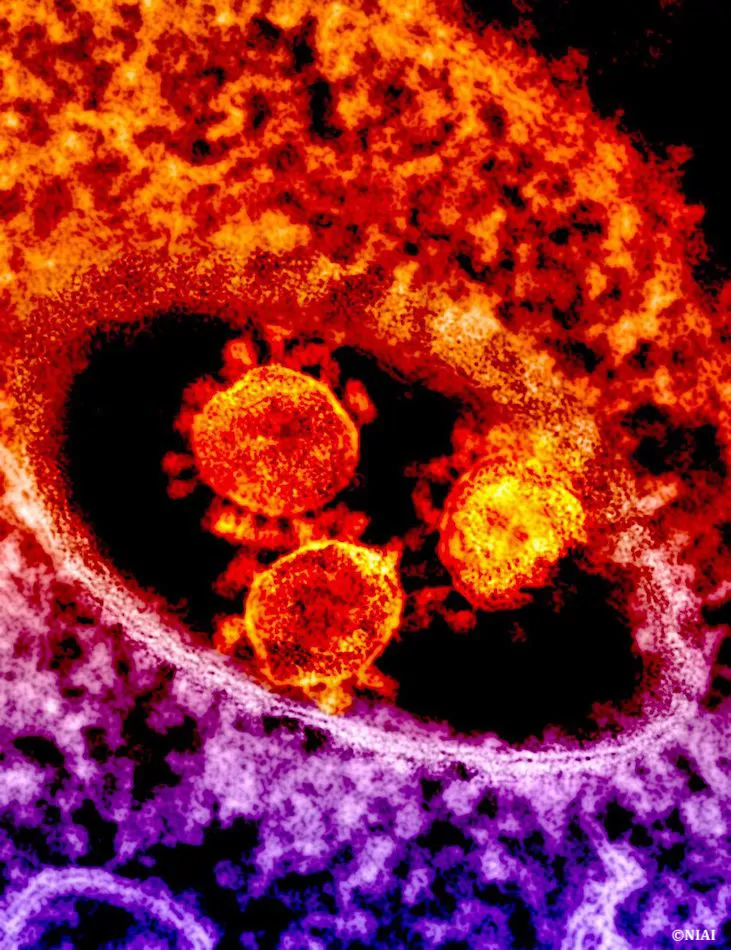
Coronaviruses constitute a very large family of viruses, some of which can infect humans. Humans can harbor at least five of them, the most common of which are HCoV-229 and HCoV-OC43. These viruses are very widespread and are associated with the common cold and mild flu-like symptoms. Nevertheless, three deadly epidemics caused by coronaviruses have occurred in the 21st century . These involved emerging zoonotic coronaviruses—that is, viruses of animal origin that were subsequently transmitted to humans: SARS-CoV-1, MERS-CoV, and most recently, SARS-CoV-2. SARS-CoV-1 was the first coronavirus to cause severe illness in humans. Originating in China’s Guangdong province, the virus is believed to have been transmitted through civet meat consumption that was infected. This was followed by a chain of human-to-human transmission between November 2002 and July 2003, during which more than 8,000 cases were reported in 30 countries, and 774 people died (a mortality rate of nearly 10%). The epidemic was brought under control thanks to a global alert issued on March 12, 2003, by the World Health Organization; the ban on civet consumption in China; the early detection of suspected cases; the isolation of patients as soon as the first symptoms appeared, the management of people with whom they had been in contact, and the protection of healthcare workers. But 10 years later, it was the turn of the Middle East Respiratory Syndrome coronavirus (MERS-CoV) to emerge in Saudi Arabia. Transmitted through dromedary secretions (urine, milk, etc.), the virus is still circulating today.MERS-CoV, Still Circulating
Between 2012 and 2013, health authorities recorded 1,589 cases of MERS-CoV and 567 deaths in 26 countries, primarily on the Arabian Peninsula but also in South Korea. In France, two cases were diagnosed in 2013, including one case of secondary transmission. For the most part, symptoms include fever, cough, and shortness of breath, which are fatal in 30% of cases. However, as with COVID-19, asymptomatic cases exist, meaning the disease can slip past our vigilance quickly, despite international surveillance. The World Health Organization is actively monitoring the spread of the virus. The challenge is to contain the outbreak. Preventive measures are being implemented to limit contact with dromedaries and create physical barriers against the virus, including the use of masks or gowns by healthcare workers, handwashing, and, above all, the isolation of patients with suspicious symptoms. Unfortunately, however, this is not enough to curb the disease, which continues to persist in both camel and human populations. As of October 6, there had already been 61 cases of MERS-CoV in 2020, mainly in Saudi Arabia (57 cases, nearly half of which were from Riyadh), including 20 deaths. For the vast majority (50), the infections were primary, while the others were healthcare-associated. And about one-third of these primary cases reported contact with camels.The dromedary camel: a viral reservoir to monitor
Although most human cases of MERS-CoV infection are attributed to human-to-human transmission, current scientific evidence suggests that dromedaries are a major reservoir host for MERS-CoV and an animal source of MERS-CoV infection in humans. Several cases of cross-species transmission have, in fact, been the source of various human outbreaks. This reservoir may, in fact, be much larger than previously thought, according to recent studies. Indeed, while 70% of the dromedary population lives in Africa, human cases of MERS-CoV are rarely reported there. Rather than the virus somehow avoiding the continent, the researchers suggest that serological tests—which are not very effective, particularly for cases with few or no symptoms—may have underestimated the proportion of the population exposed to the virus. For example, 30% of workers at a dromedary slaughterhouse in Niger tested positive for MERS-CoV using PBMC tests, even though they tested negative using conventional serology—the most widely used method for detecting MERS-CoV in humans. It is therefore highly likely that many more zoonotic infections caused by contact with dromedaries occur in Africa than previously thought. And, by extension, the incidence of human MERS infections across all regions of Africa where dromedaries are present has likely been underestimated. In the absence of a vaccine, the WHO is very clear. It warns against close contact with dromedaries and dromedary products, as well as their consumption. In the meantime, research continues to find treatments and vaccines against this coronavirus, which is far more deadly than SARS-CoV-2, which is spreading like wildfire across our planet.Studying MERS to Better Understand COVID-19?
To date, there is still no specific treatment for MERS-CoV, and care is focused on alleviating symptoms. But research continues unabated. In particular, researchers are testing compounds that could interfere with—and, in the best-case scenario, stop—viral replication. A collaboration between NIAID and the University of Maryland has thus succeeded in identifying 27 potential treatments, including molecules used to treat cancer or psychiatric disorders, as well as chemicals that neutralize or cause genetic disruptions in coronaviruses. These treatments could, in fact, also be effective against all other coronaviruses, including COVID-19. An international consortium of nearly 200 researchers from 14 different institutions studied the three most recent emerging zoonotic coronaviruses with the goal of identifying shared vulnerabilities. They identified molecular mechanisms critical to all three pathogenic organisms, as well as common therapeutic targets and potential treatments. But the benefits extend beyond the current pandemic. “Studying multiple animal species allows us to predict the efficacy of pan-coronavirus therapies and identify solutions that will also hold therapeutic promise for any future coronaviruses that might emerge,” ” adds Beltrao, whose previous work was supported by the EU-funded PhosFunc project and who is a member of the consortium. The comprehensive study of coronaviruses in both animals and humans is therefore of great importance and relevance, both now and in the future.Read next
One Health & Zoonoses
10/10/2026
More than half of New York City’s free-roaming cats carry intestinal parasites?
One Health & Zoonoses
10/09/2026
Giardia in cats: large North American study finds 6.3% prevalence and substantial zoonotic potential
One Health & Zoonoses
10/08/2026
Commentaires
No comments yet.
Sign in to comment