

Back to articles
Leptospirosis: Cats Play a Role in the Spread of This Rat-Borne Disease
MR
Mia Rozenbaum
01/12/2021
3 min read
0 comments
Share:
Leptospira infection in cats—despite the fact that cats are predators of rodents, the primary reservoir of these bacteria—remains underestimated. A study sheds new light on the role of cats in the spread of this zoonosis, which is potentially fatal to humans, particularly in tropical and subtropical regions.
Leptospirosis, commonly known as rat fever, is a zoonotic bacterial disease that affects most mammalian species. There are 17 species of leptospires (and more than 230 serovars), which vary in pathogenicity and species specificity.
Found worldwide, the prevalence of the infection is often associated with certain environmental conditions, notably heavy rainfall and high temperatures (above 25 °C). Thus, while the bacteria are present in regions with a temperate climate, they are endemic in tropical and subtropical areas.
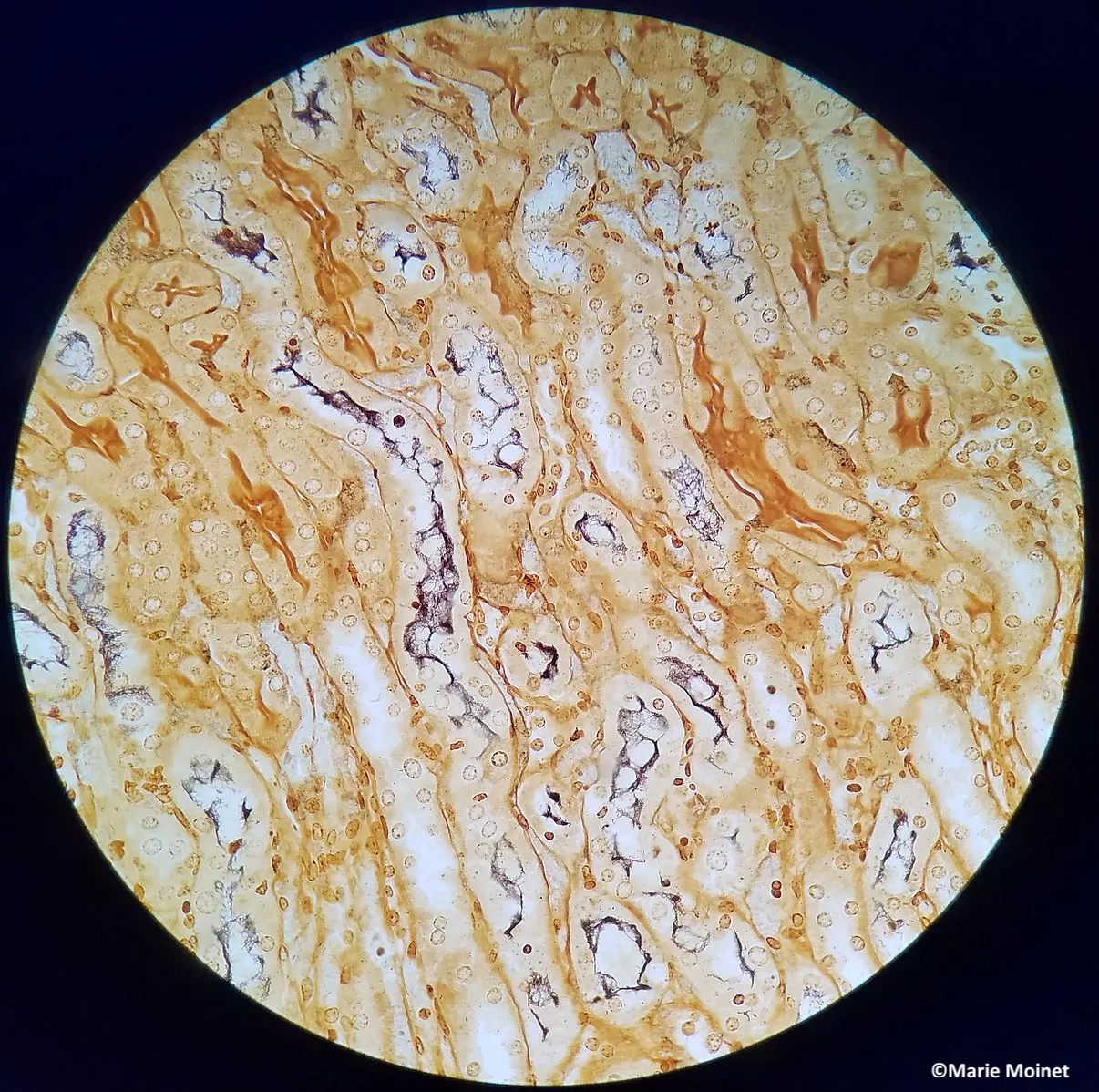
Rodents, specifically rats, are the primary reservoirs of the disease. In particular, they carry the most severe form—and the one most commonly found in France—ichthyhemorrhagic leptospirosis. Leptospires are primarily stored in the kidneys of infected animals before being shed in their urine. In this way, they contaminate water and the environment, infecting both livestock and domestic animals. Humans are accidental hosts; in humans, the disease is often mild but can also lead to renal failure, which is fatal in 5 to 20 percent of cases.
Leptospirosis remains poorly documented in cats, despite their potential role in the spread of Leptospira interrogans. The pathogenicity of the disease in cats thus remains largely underestimated. However, in certain countries where climatic conditions are ideal for the survival of Leptospira bacteria and where there are large feline populations—such as Chile—this knowledge could be crucial for controlling the infection and for risk control related to the zoonotic risk.
Until recently, the prevalence of Leptospira in cats in this geographic region remained unknown. However, a new study analyzed urine samples from 231 naturally infected cats from rural and urban areas in southern Chile. Results: 15.6% of the cats included in the study were identified as excretors of Leptospira spp., and 3% of urine cultures tested positive. The bacterial load in urine therefore remains relatively low. Only 10% of the samples yielded viable bacteria. Indeed, the hostile environment of feline urine—particularly its relatively high osmolality—appears to affect bacterial survival.
This study is one of the first to report the possibility of obtaining bacterial cultures of Leptospira from cat urine and to analyze the genetic characteristics of the isolates derived from these cultures. To date, few successful attempts to culture Leptospira from naturally infected cats have been reported. The findings suggest that although feline urine appears to be a hostile environment for Leptospira, it could be an underestimated source of infection for other species, including humans, and pose a potential zoonotic risk.
Read next
One Health & Zoonoses
10/10/2026
More than half of New York City’s free-roaming cats carry intestinal parasites?
One Health & Zoonoses
10/09/2026
Giardia in cats: large North American study finds 6.3% prevalence and substantial zoonotic potential
One Health & Zoonoses
10/08/2026
Commentaires
No comments yet.
Sign in to comment