

Back to articles
Cities Overrun: Rats as Indicators of a Global Crisis
BN
Bertrand Neveux
06/26/2025
7 min read
0 comments
Share:
Urbanization, climate change, silent proliferation: an urban scourge is taking hold across the globe. From the sewers of Paris to the streets of New York, from the canals of Amsterdam to the flood-prone areas of Singapore, rats are no longer mere pests. They now pose a global health threat and present a challenge for 21st-century cities.
Paris, New York, Bangkok, Brussels… everywhere, rats are invading public spaces, climbing up the walls of buildings, popping up in parks, and making their homes at the foot of overflowing trash cans. Long relegated to the status of a minor nuisance, this species has become a marker of deep-seated urban vulnerabilities. At the root of the problem is a combination of factors that work in the rat’s favor. Cities offer rats an abundance of food and shelter, while the increasingly mild climate enhances their ability to survive and reproduce.
The modern city, with all its dysfunctions, has become a perfect ecosystem for the brown rat (Rattus norvegicus), a species particularly well-adapted to the human environment. As urban density grows, sanitation services struggle to keep up, and infrastructure ages, rodents are becoming a fixture of everyday life. And with them comes a host of invisible threats.
According to the WOAH, which plays a crucial role in coordinating animal, human, and environmental health, this phenomenon calls for a radical rethinking of our relationship with urban wildlife. This is no longer just a sanitation issue, but a global challenge that calls our cities and their sustainability into question.
Rats, members of what is known as commensal wildlife, are now ubiquitous—from the sewers of Bangkok to the streets of New York and the canals of Amsterdam. Their proliferation is not only linked to their adaptability but also to changes in the urban environment and climate. The most affected areas—cities in Europe, North America, and Asia—show a strong correlation between rising temperatures and increasing rat populations.
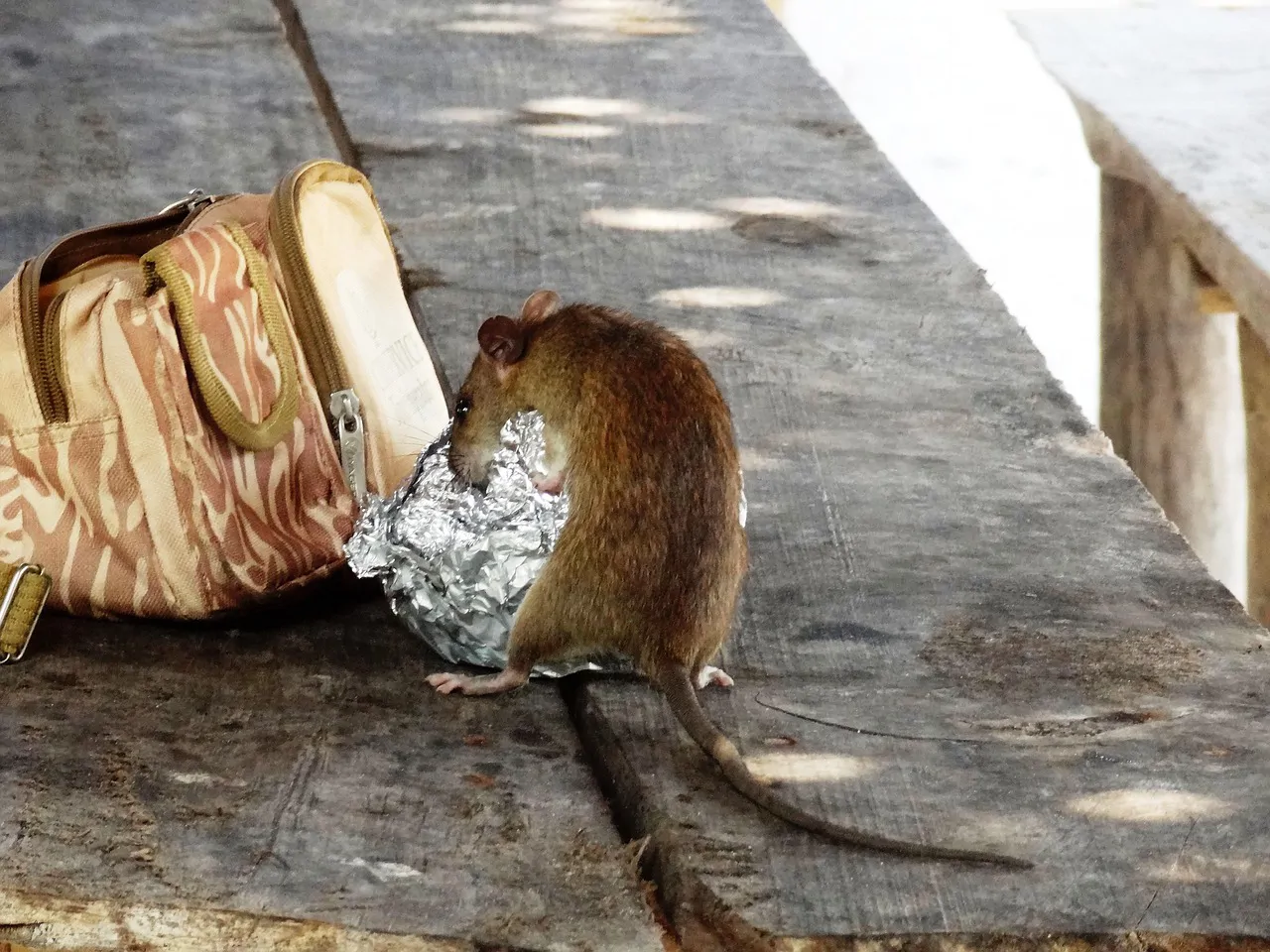
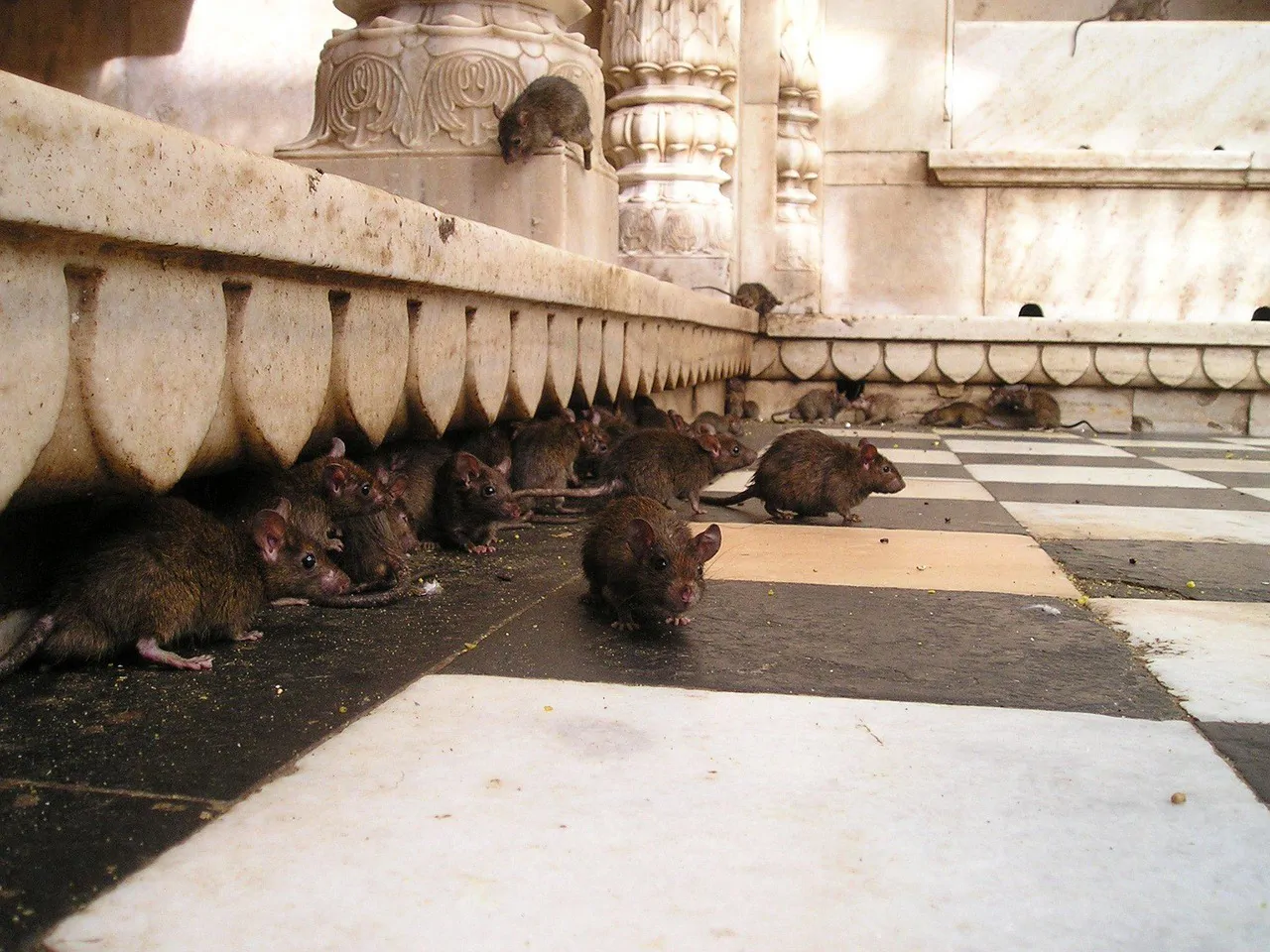
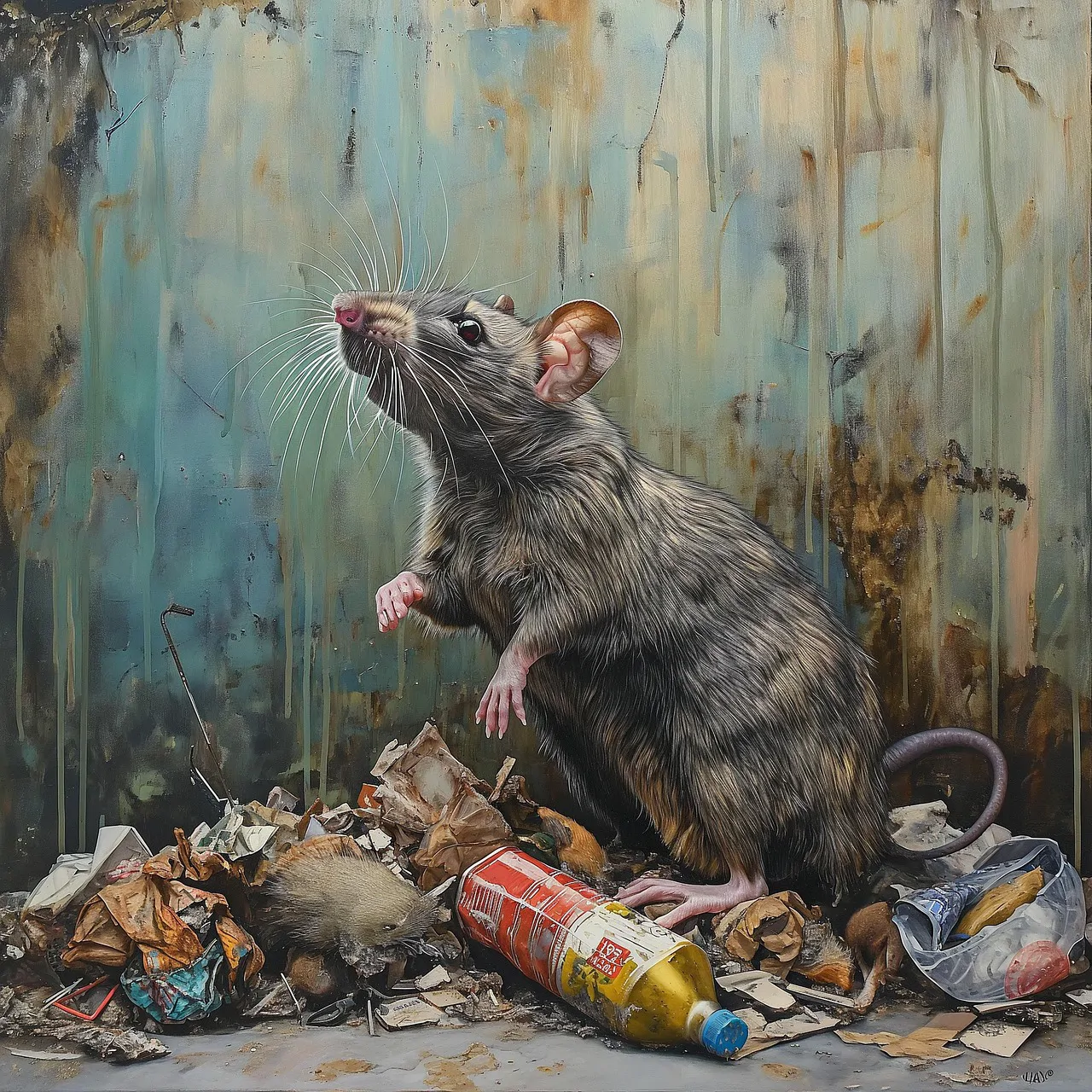
A Global Health Threat
Rats do more than just disrupt urban safety; they also carry serious diseases. This phenomenon is far from trivial. In Lyon, a study showed that more than a quarter of the rats captured in green spaces carried the Leptospira bacteria, which causes leptospirosis. In Singapore, this rate rises to 42%. In Northern Europe, the Seoul hantavirus (SEOV), transmitted by the dried feces of brown rats, is detected in 5 to 38% of captured rodents, depending on the region. These pathogens can cause severe illnesses, ranging from hemorrhagic fevers to fatal kidney damage. Infections often go unnoticed in the early stages. They are all the more dangerous because they primarily affect the most vulnerable populations (cleaning staff, homeless people, precarious workers, children). Where urban rats coexist with marginalized communities, the health risk intensifies. They thus serve as a biological indicator of social inequalities and public health failures. They embody what epidemiologists call a “zoonotic bridge”—that is, a potential vector between wildlife and humans—which lies at the heart of the “One Health” concept.New York, Amsterdam, Bangkok: A Variety of Responses
Faced with this proliferation, cities around the world are trying to respond. Some are relying on technology. This is the case in Brussels, where authorities are deploying connected sensors to detect infestation hotspots early and guide interventions. The Belgian capital is also participating in a groundbreaking European research program, Genomics Urban Rats Management, which aims to understand the genetic structure of rat populations to target control measures. In New York, the fight against rats has become a political priority. “Rodent control commissioners” have been appointed to coordinate citywide operations. Substantial budgets are allocated to modernizing infrastructure, installing airtight trash containers, and raising public awareness. But despite these efforts, the city is struggling to stem the spread of rodents. In 2024, a summit dedicated to rat management brought together researchers and municipal experts to develop strategies ranging from controlled extermination to sterilization. In Amsterdam, authorities are focusing more on prevention than on extermination. Waste management is being overhauled, sewer systems are being secured, and public awareness campaigns encourage residents not to feed wild animals. Here, too, the approach is designed to be integrated, interdisciplinary, and rooted in a sustainable vision. Other cities are innovating in more unexpected ways. In Toulouse and Marseille, ferrets are being used to flush rats out of underground tunnels, targeting breeding pairs. This method, inspired by ancient techniques, complies with the EU directive restricting the use of rodenticides with high toxicity.Paris: Between Tradition and Tradition
In France, the city of Paris faces a plague that receives significant media attention—not least from visiting tourists… among others. Each year, more than 7,000 interventions are carried out in sewers, parks, and public buildings. The city uses rodenticides in secure bait stations, oversees the maintenance of green spaces, and encourages residents to report rat sightings via a participatory online platform. But these efforts, though intensified, are far from sufficient to eliminate the problem for the long term. The challenge is no longer eradication, but management. Municipal actions are now guided by this approach: securing waste, sealing off underground access points, informing citizens, and, above all, integrating approaches that address hygiene, ecology, and human health.A Coexistence in Need of (Re)thinking
While the temptation to carry out mass rat exterminations is strong, experts now agree on the need for a paradigm shift. The “One Health” approach recommends not viewing these animals as mere pests, but as unwitting participants in a dysfunctional urban ecosystem. The goal is not to protect them, but to understand their presence as a symptom of a broader imbalance. This requires moving away from a reactive approach—characterized by one-off rodent control campaigns—and adopting a preventive, cross-sectoral, and fully integrated policy. Combating rats also means improving sanitation, promoting equitable access to healthcare, modernizing infrastructure, and educating city dwellers about the ecological realities of their environment.A Global Emergency, Local Opportunities
The proliferation of rats in cities is not an isolated phenomenon. It illustrates a global challenge faced by all major urban areas in an increasingly densely populated world, subject to climate disruption and beset by new health threats. But it also represents an opportunity: the chance to rethink our relationship with the city, with wildlife, and with the management of living organisms in inhabited areas. Rather than reacting with poison, it is time to anticipate, cooperate, and design resilient cities. In this sense, rats may not be our enemies… but rather messengers of a world in need of repair. For WOAH, the key lies in a coordinated “One Health” approach, at both the national and local levels. This involves, in particular, integrating public health, veterinary, environmental, and urban services to share data and take early action. The goal is clear: to create a city where urban wildlife is not a problem to be eradicated, but an indicator of the proper functioning of our infrastructure. This vision is part of a now-global context: well-designed urban green spaces can become balanced refuges for biodiversity. The challenge is twofold: ensuring public health while enhancing the richness of urban ecosystems. Kaylee Byers, of Simon Fraser University, calls for transforming public spaces, urban gardens, and wetlands into places conducive to respectful coexistence. The city itself demonstrates its ability to reinvent practices. While the proliferation of rats is inevitable, our response must be appropriate, focusing on prevention, research, innovation, and community education. This holds the promise of managed coexistence, enhanced urban resilience, and, ultimately, better health for all.Read next
One Health & Zoonoses
10/10/2026
More than half of New York City’s free-roaming cats carry intestinal parasites?
One Health & Zoonoses
10/09/2026
Giardia in cats: large North American study finds 6.3% prevalence and substantial zoonotic potential
One Health & Zoonoses
10/08/2026
Commentaires
No comments yet.
Sign in to comment